
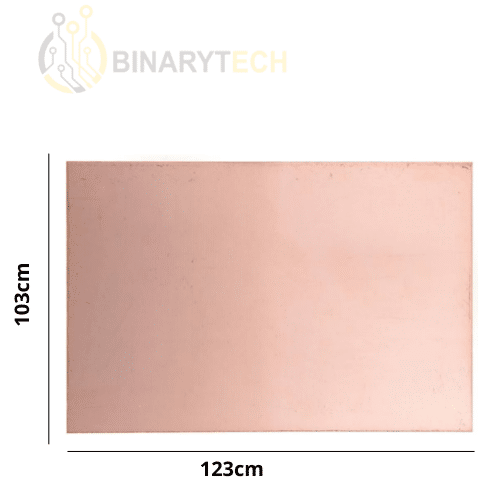
DZD 7,500.00
8 results
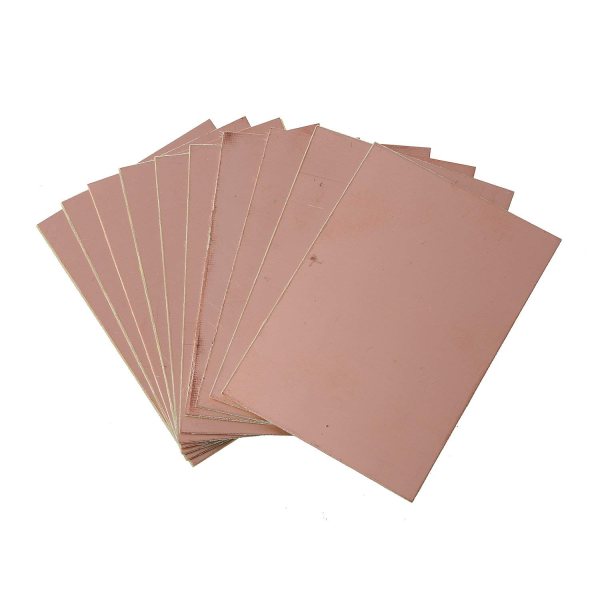
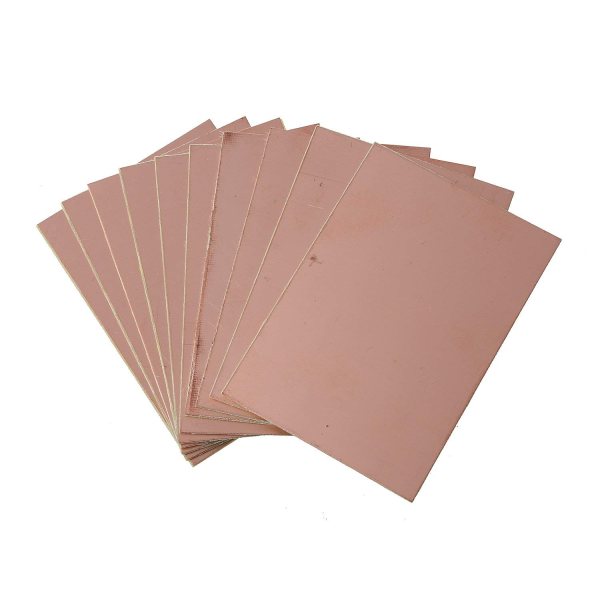
Single-sided and double-sided copper-clad boards and UV presensitized boards, in A4, A5, A6 or large formats, for making your own printed circuit boards.
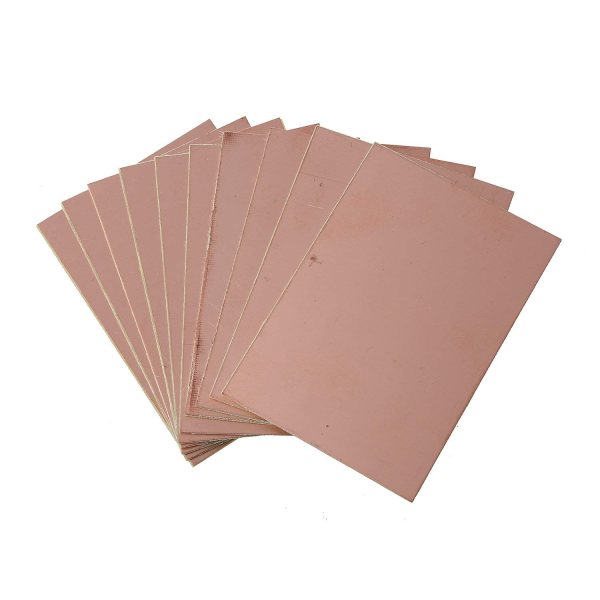
BY1OY12419-1
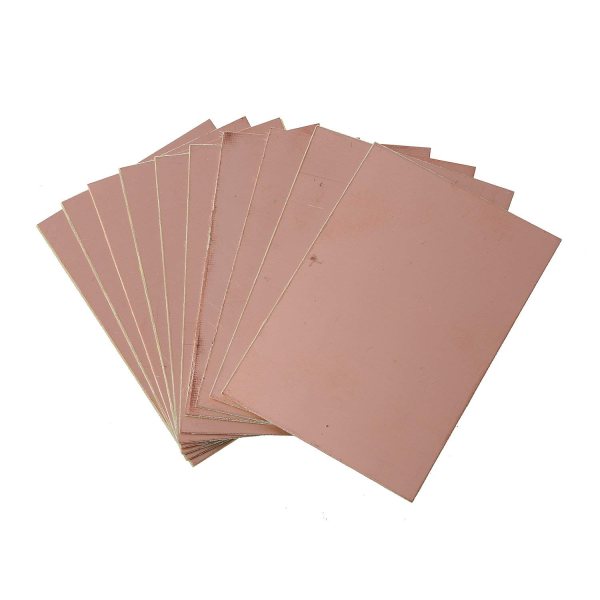
BY1OY12419-03
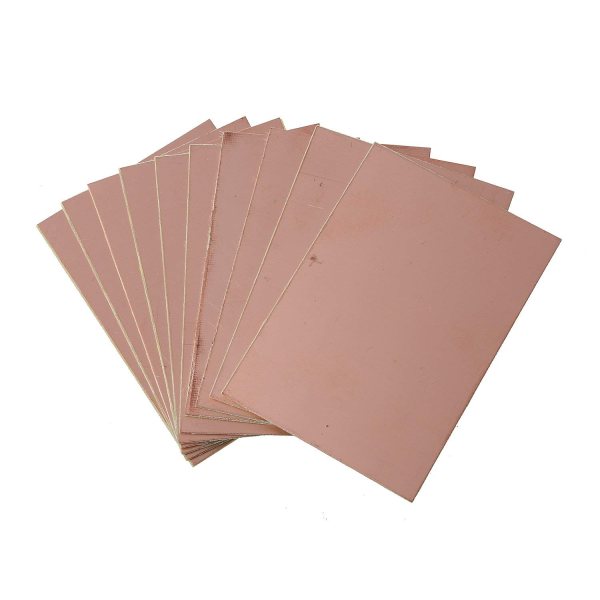
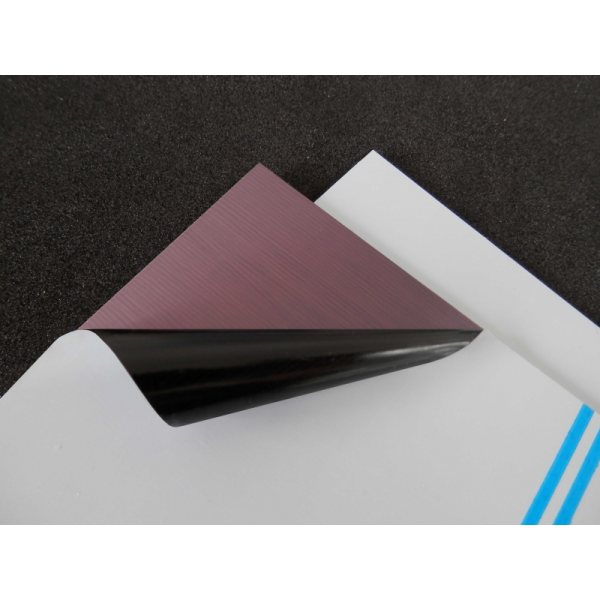
A printed circuit board is an insulating base (FR4 epoxy or FR1 bakelite) coated with a thin layer of copper. You draw the tracks, protect the copper you want to keep, then an etching bath dissolves the rest. Two families are covered on this page: the bare copper-clad board, which is exposed after transferring the artwork with an iron or toner, and the UV presensitized board, already coated with a photosensitive resin protected by an opaque film, which is exposed under a UV lamp and then developed.
Also plan for drilling (0.8 to 1 mm bits for through-holes) and the etching bath. Other etching supplies and pad boards can be found in the Printed circuit boards category.
A copper-clad board is simply bare copper on an insulating base: you have to transfer the pattern yourself, often using toner. The presensitized board already carries a photosensitive resin, which allows a finer, cleaner trace, but requires a UV lamp and a developer.
Single-sided is easier to etch, drill and align, and suits most hobbyist builds. Go for double-sided when your routing cannot avoid track crossings or when you need a continuous ground plane.
Choose a format slightly larger than your board to keep margin for handling and cutting. For a single small build, A6 is enough; for several boards to etch at once, an A4 or a large format costs less per square centimeter.
FR1 is a paper-phenolic base (bakelite), easy to cut with a knife or saw but more brittle. FR4 is fiberglass-reinforced epoxy, more rigid and more thermally stable, preferred for boards that need to last.
Keep it in its packaging, with the opaque film in place, away from daylight and heat. Remove the film just before exposure, otherwise the resin fogs and etching becomes uneven.