
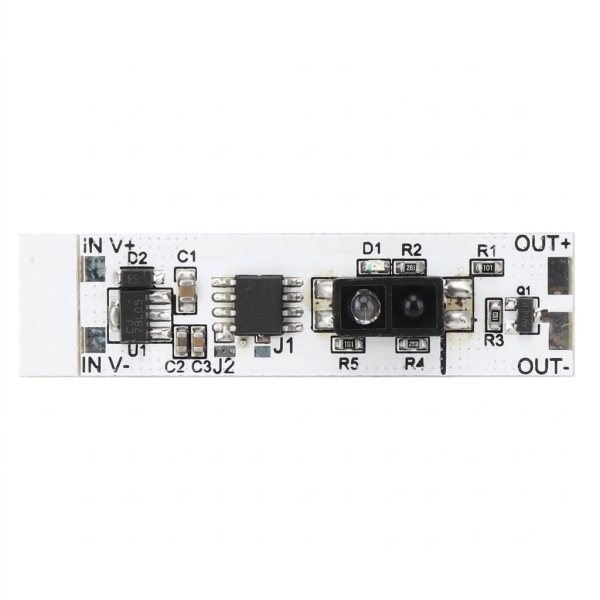
New
P2026111008
PIR Infrared Sweep Motion Sensor Module
DZD 550.00
265 results
Sensors, motors and drivers for your robotics and automation projects: temperature, distance, motion, servomotors, stepper motors and control boards.
P2026111008
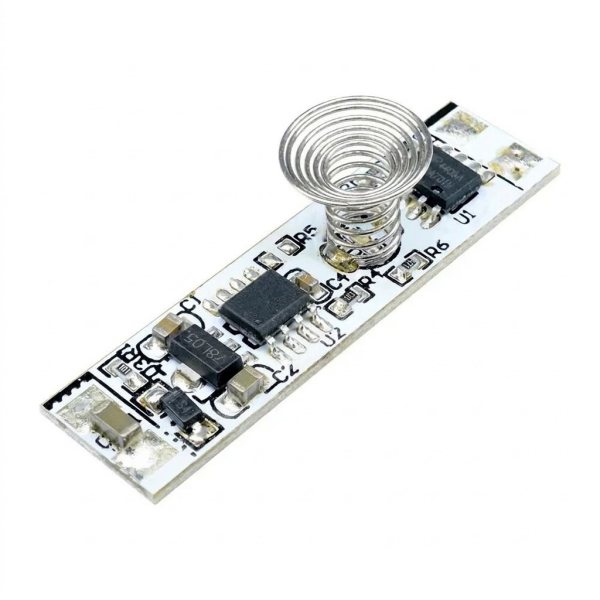
P2026111007
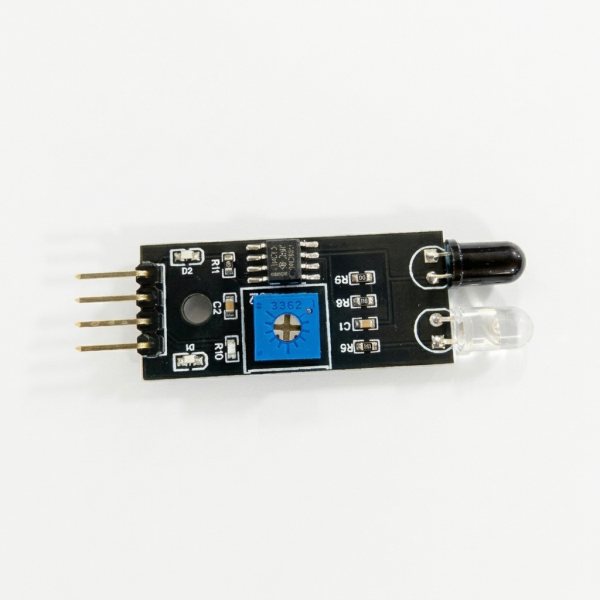
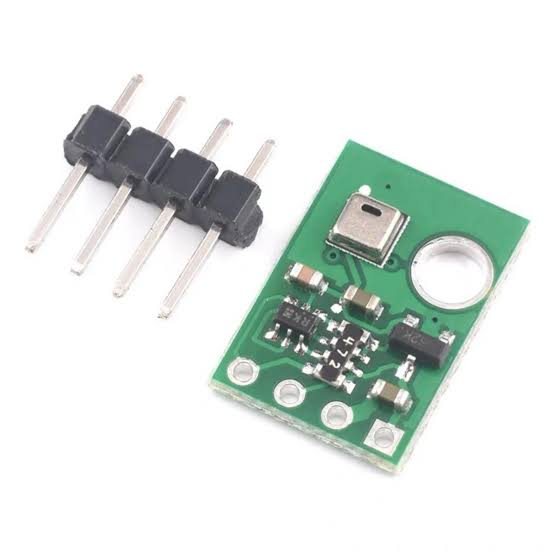
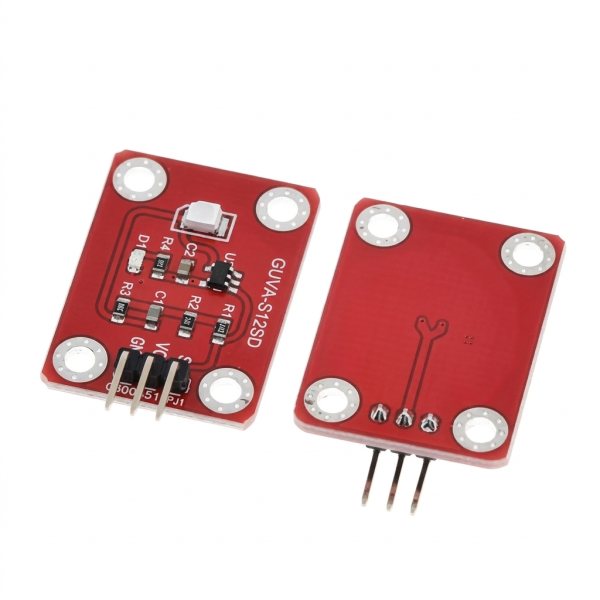
P2026100904
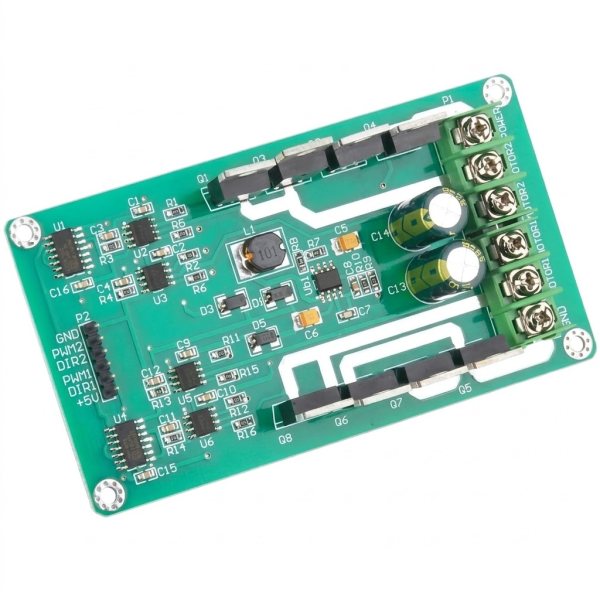
P2026100894
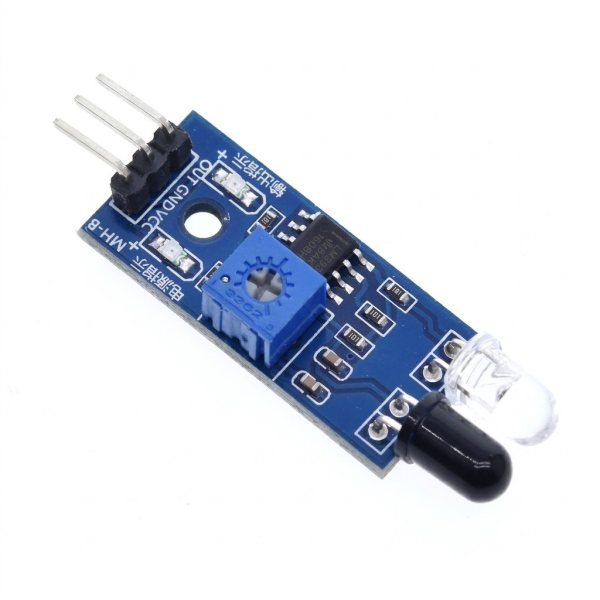
P2026100890
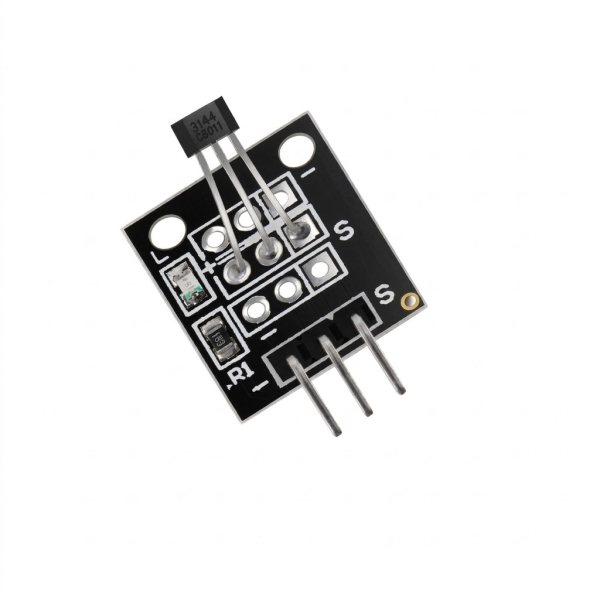
P2026090810

P2026080622
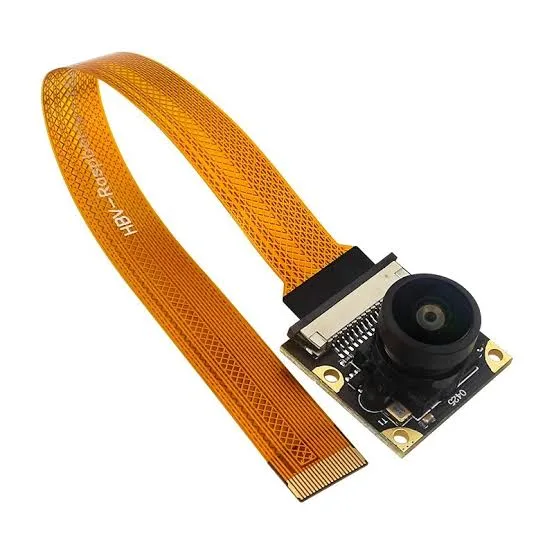
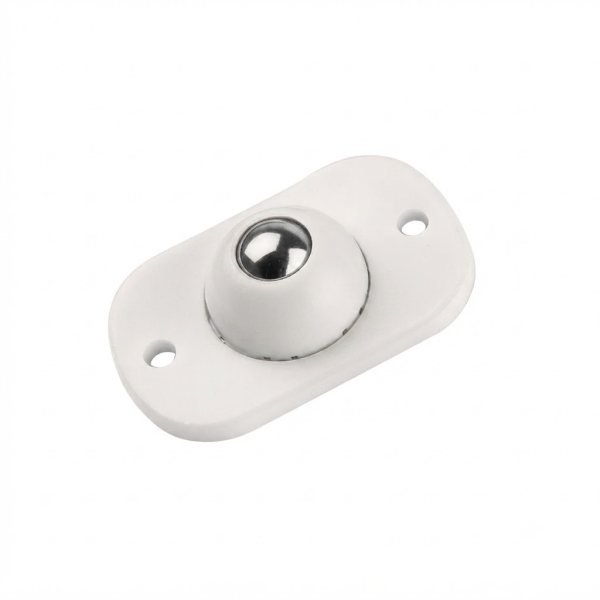
P2026080482
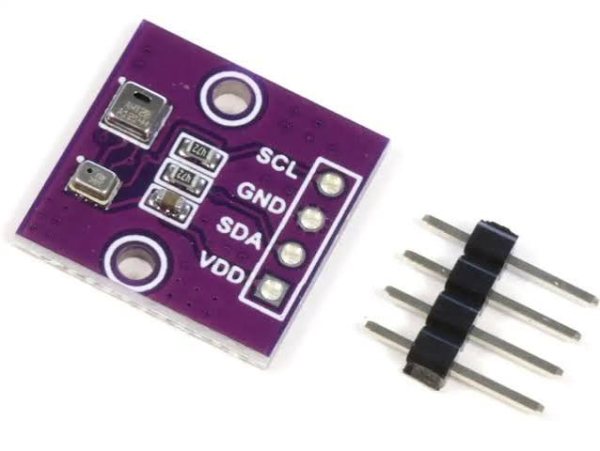
P2026070386
A robotics project is built from three pieces: measurement, control and movement. On the measurement side, start with the quantity you want to read and the accuracy you need. For temperature and humidity, the DHT11 is enough for a demonstration, the DHT22 gives better resolution, the waterproof DS18B20 suits a liquid or an outdoor setup, and a MAX6675 module with a type K thermocouple reaches much higher temperatures. For distance, the ultrasonic HC-SR04 measures what is in front of it in centimeters, while an infrared FC-51 only detects a nearby presence. For motion and orientation, the MPU6050 combines an accelerometer and a gyroscope, and Hall effect sensors (A3144, SS41F, SS49E) are used to count rotations or detect a magnet.
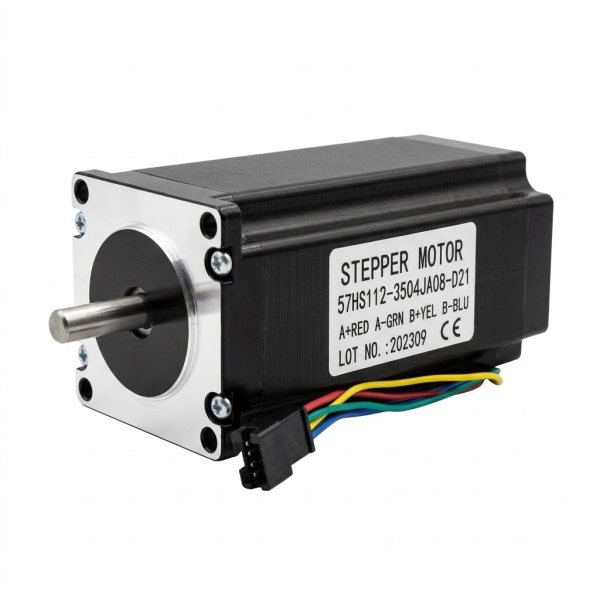
On the movement side, check three things before buying: the supply voltage, the current the motor draws, and the matching driver.
Browse sensors, motors and actuators or robotics bases. To adapt a sensor output to a board's 3.3 V input, the voltage divider tool does the calculation.
Both measure temperature and humidity on a single data pin. The DHT22 covers a wider range and gives better accuracy, while the DHT11 is slower and more approximate, which remains acceptable for a learning project.
Two families work well: a Hall effect sensor such as the A3144 paired with a magnet on the shaft, or an optical fork encoder such as the ITR9608 or TCST2103 with a slotted disc. The Hall sensor copes better with dust and oil, the optical one requires a clean environment.
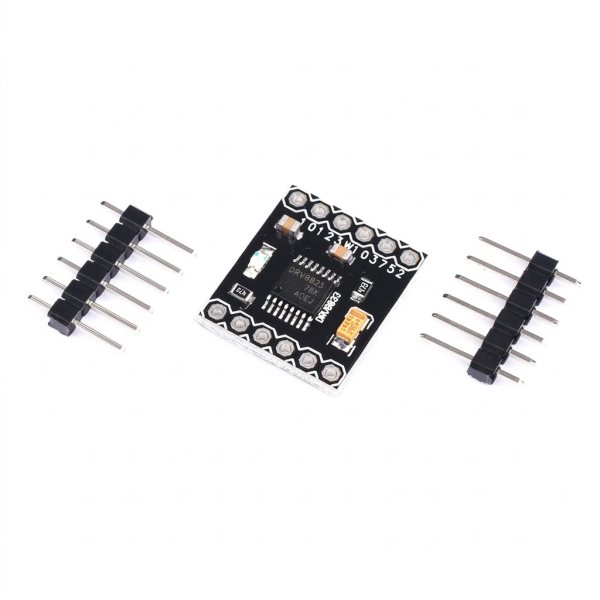
Yes for DC and stepper motors: a microcontroller pin does not supply the necessary current and the motor sends back voltage spikes. An L298N, a TB6612FNG or an A4988 depending on the motor type isolates the board and manages the direction of rotation. A servomotor, on the other hand, connects directly to a PWM output with a separate power supply.
The MG90S uses metal gears and withstands repeated stress and shocks better. The SG90, with plastic gears, is lighter and suits models and light loads.
Accuracy, measurement range, the presence of a waterproof housing and the brand explain the difference. A calibrated industrial sensor and a learning module are not intended for the same use.