
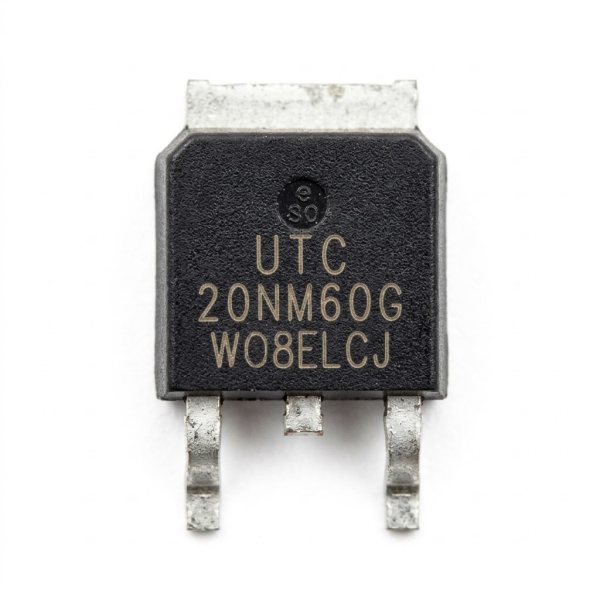
New
DZD 180.00
3947 results
Resistors, capacitors, diodes, LEDs, relays and integrated circuits in through-hole and SMD, for repairing a board or building an electronic project.
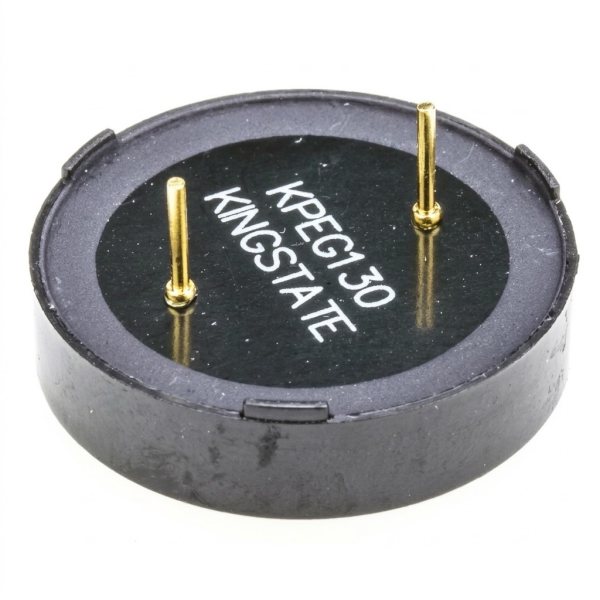
P2026100980
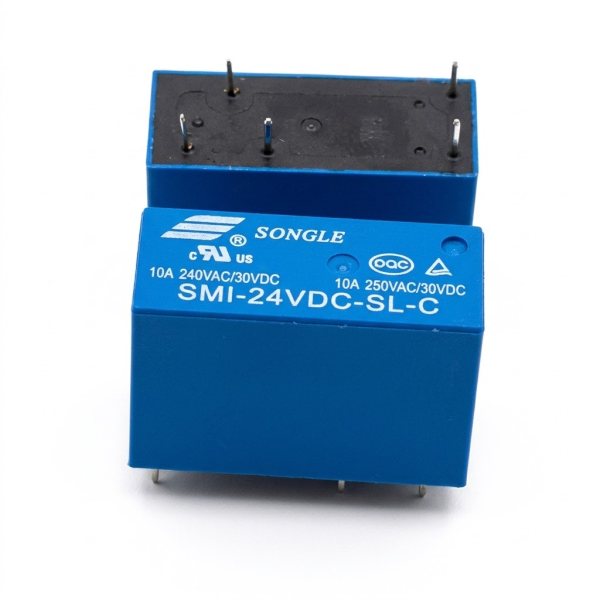
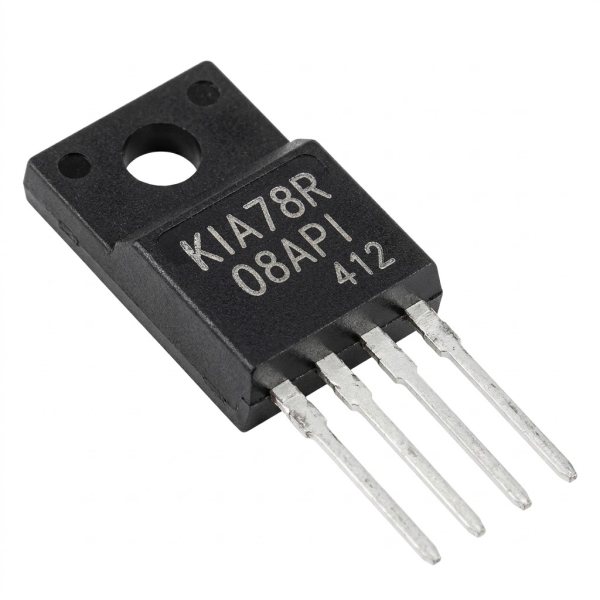
P2026100968
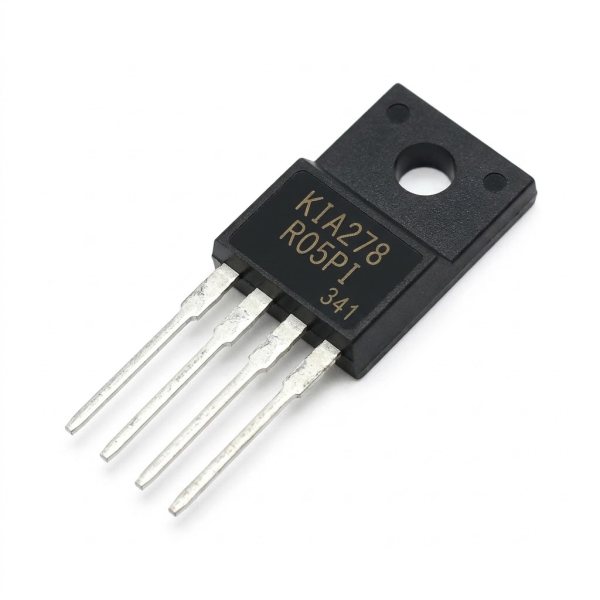
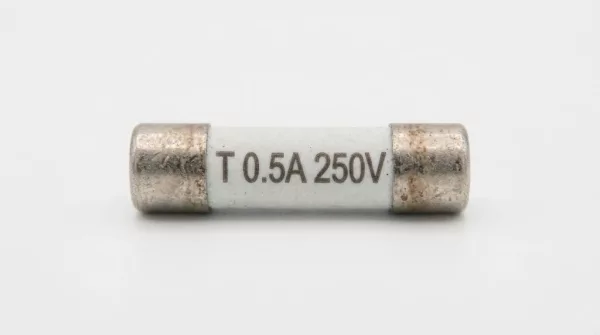
P2026100961
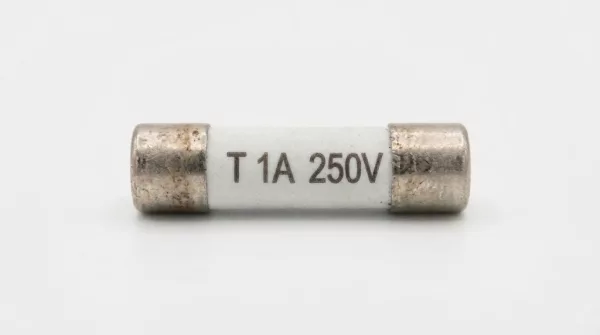
P2026100960
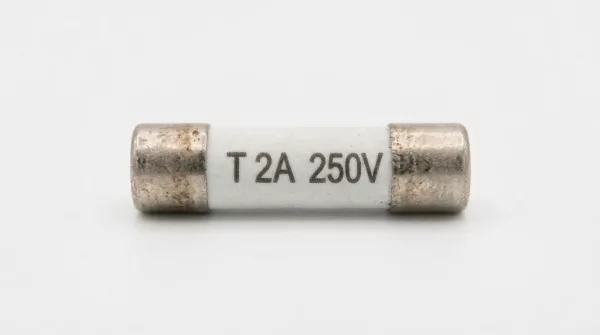
P2026100959
P2026100958
P2026100957
P2026100956
P2026100955
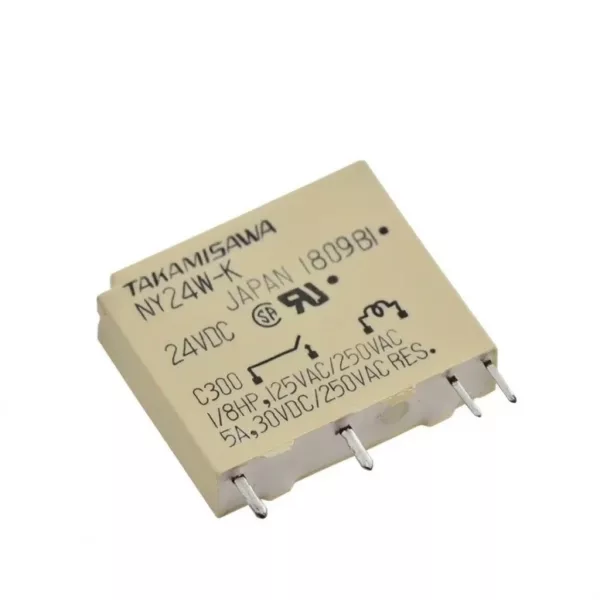
P2026100954
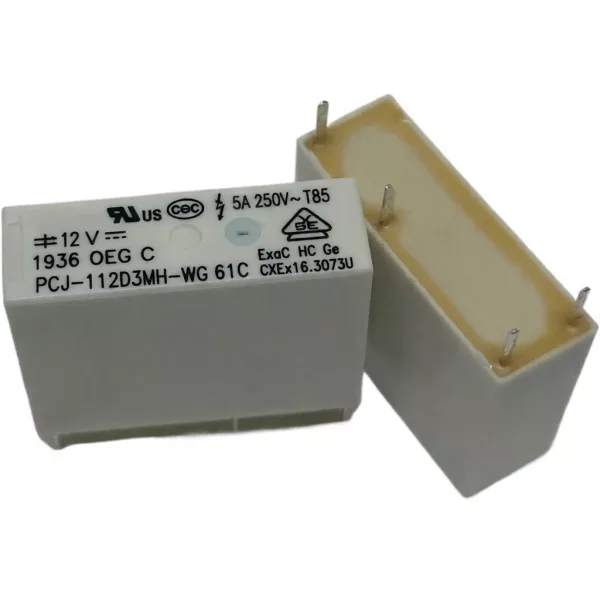
P2026100953
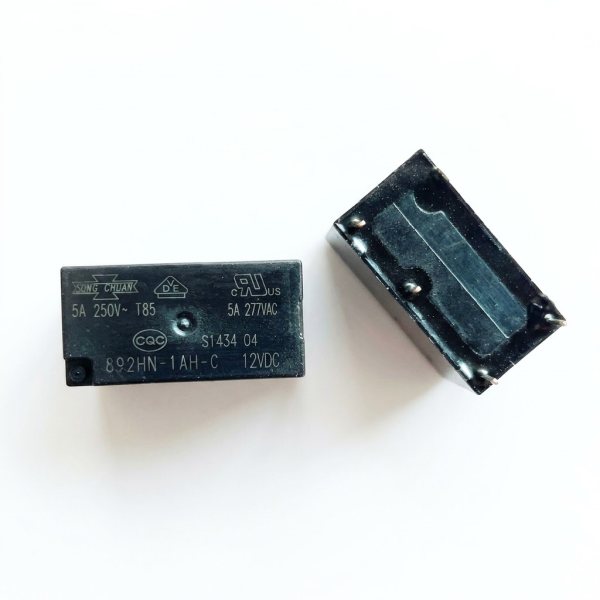
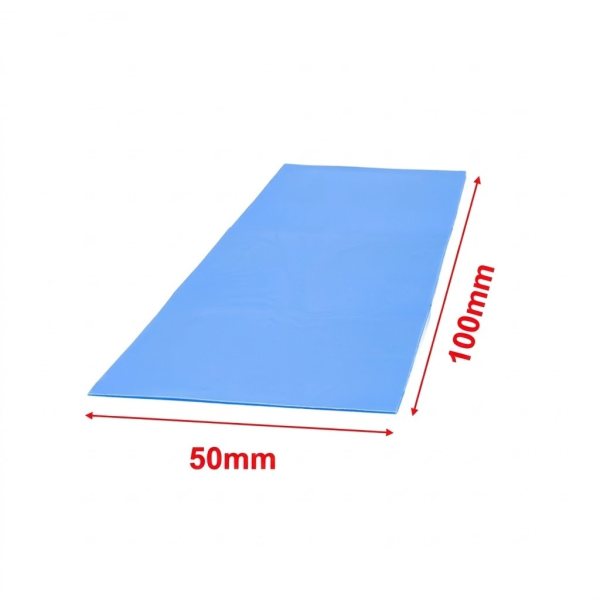
A component is chosen on three points: its value, its package and its electrical limits. For a resistor, the value in ohms comes from calculation (the Ohm's Law calculator helps find it), but power rating matters just as much: a 0.25W carbon film resistor is enough for an LED, not for a load. In SMD, the package size also sets the dissipated power: 0603 around 1/10W, 0805 around 1/8W, 1206 up to 1/4W.
For control enclosures and indicators, see Buttons and switches and Optoelectronics. For a timing-based project, the NE555 Timer calculator gives the R and C values directly.
The X7R keeps a stable capacitance over a wide temperature range and handles applied voltage better. The Y5V has the same nominal value but can lose a large part of its capacitance in service; it suits non-critical decoupling, not a filter or a regulation loop.
Through-hole (DO-35, DO-41, carbon film resistors) solders easily with an iron and suits breadboards and repairs. SMD (0402, 0603, 0805, 1206) is required on modern boards and needs a fine tip, flux and good lighting.
Subtract the LED's forward voltage from the supply voltage, then divide by the desired current (often 10 to 20 mA). The Ohm's Law calculator does the math; at 5V with a red LED, this usually falls between 150R and 330R.
Not always. The 1N4007 holds a high reverse voltage but switches slowly; in a signal or fast-switching circuit, it performs poorly. The 1N4148 is made for that, though it only handles a small current.
Tolerance (±5% versus ±1%), temperature coefficient, brand and packaging make the difference. A precision resistor or a stable-class capacitor costs more than a generic component of the same value.