
New
DZD 1,300.00
152 results
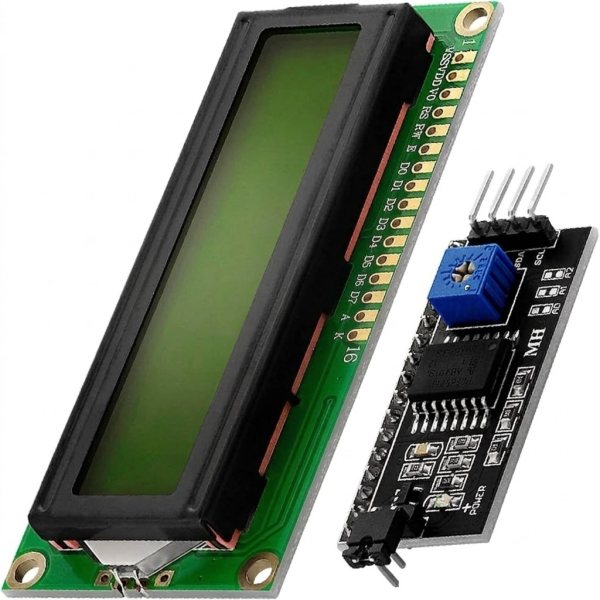
Optoelectronic components for your projects: 3mm and 5mm LEDs, infrared emitters and receivers, 7-segment and LCD displays, optocouplers and LDR photoresistors.
P2026100871
P2026100870
P2026100869
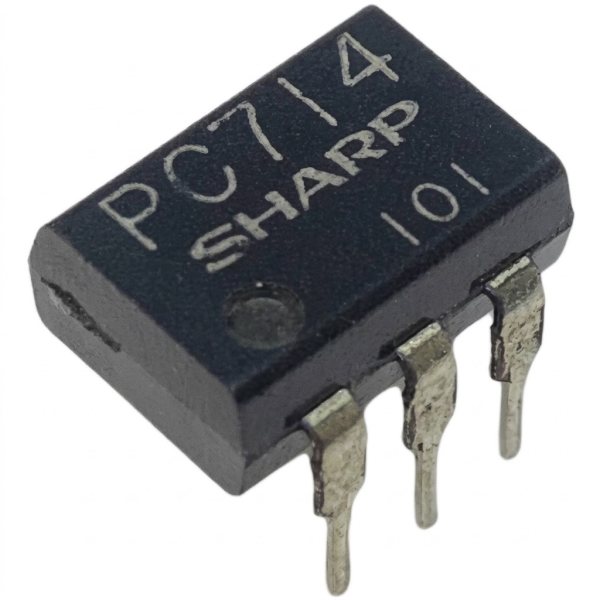
P2026100868
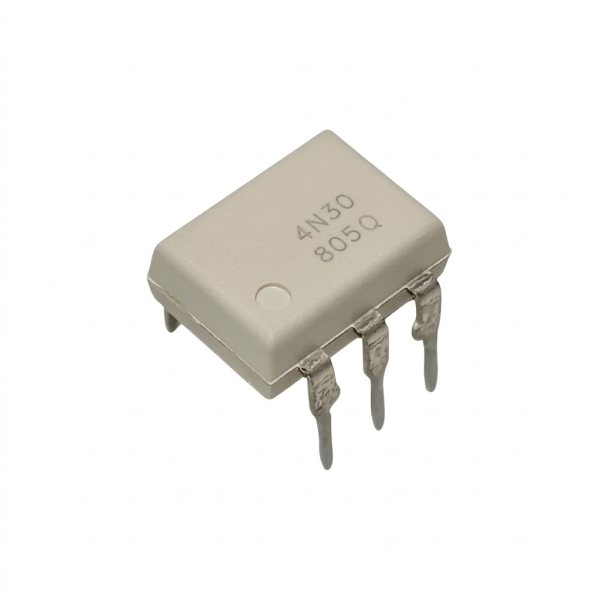
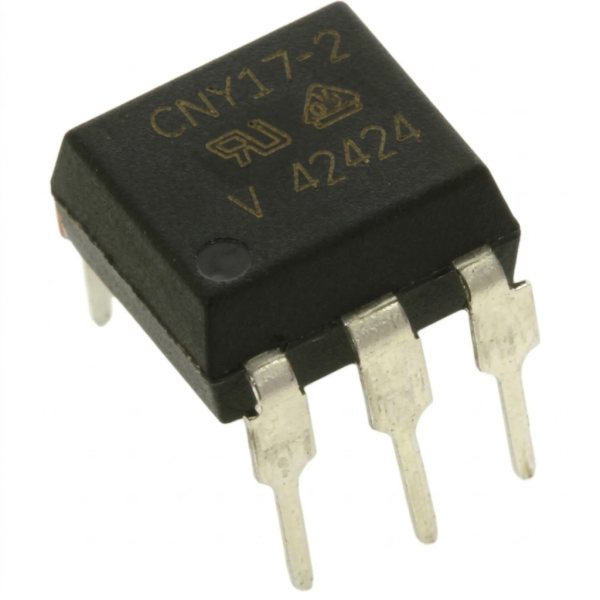
P2026100866
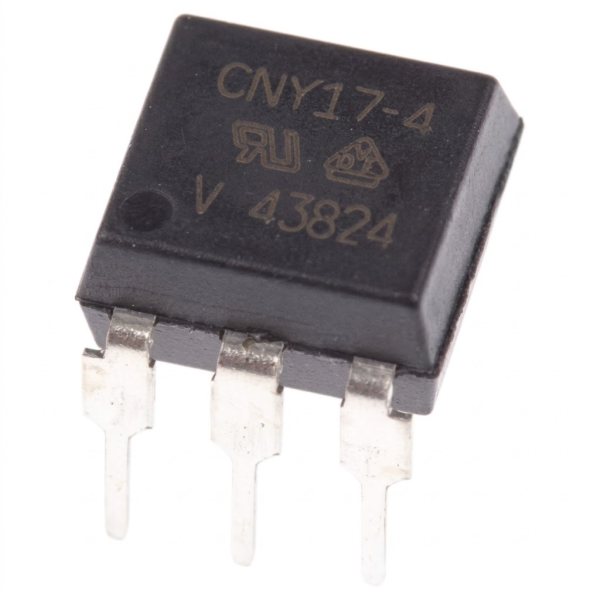
P2026100865
P2026080631
P2026080630
P2026080606
P2026080605

P2026070327
P2026070327

P2026070262
P2026070262
Optoelectronics covers everything that turns current into light, or light into an electrical signal. For a signaling LED, the choice depends on diameter (3mm or 5mm), color and brightness: a high brightness LED is visible in a lit room, while a standard colored LED is enough for a front panel indicator. Every LED needs a series resistor calculated from the supply voltage and its threshold voltage, which is higher for blue and white than for red. In SMD, the 0603, SM0603 or PLCC3528 packages are soldered onto a circuit board.
For detection and remote control, components work in pairs: an 850 or 940nm infrared emitter LED facing a receiver LED, a demodulated receiver such as the VS1838 for remote controls, or a reflective sensor like the TCRT5000 to follow a line or count turns. A GL5528 photoresistor simply measures ambient light.
Subtract the LED's threshold voltage from the supply voltage, then divide by the desired current, often 10 to 20 mA. Under 5V, a red LED requires a higher resistance than a blue or white LED, whose threshold voltage is close to 3V.
The 940nm receiver LED is a simple photodiode or phototransistor: it produces a current proportional to the infrared light received. The VS1838 additionally integrates a filter and a 38 kHz demodulator, which makes it suitable for decoding remote controls.
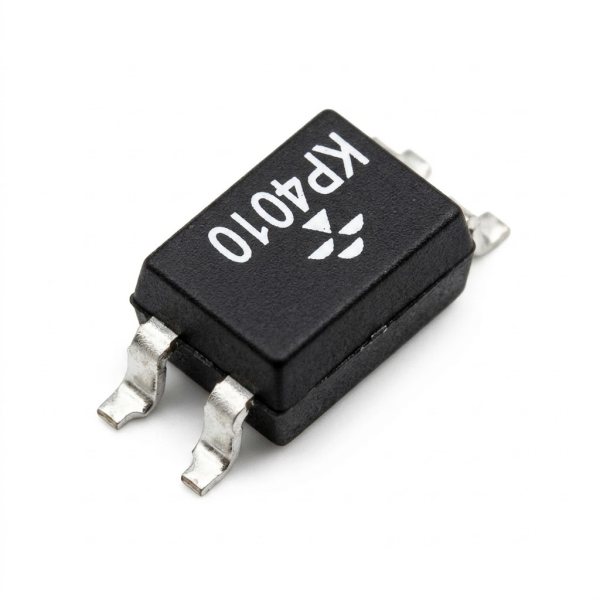
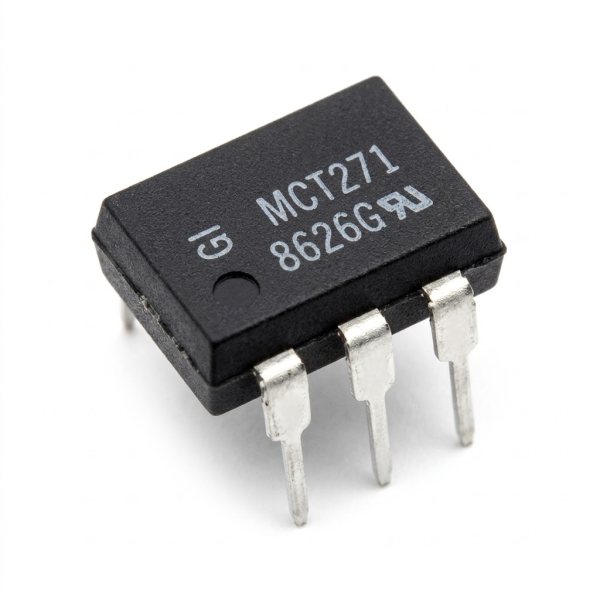
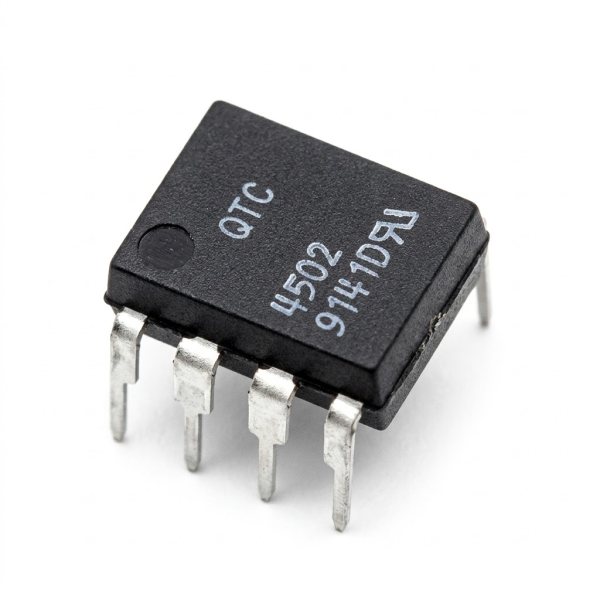
It transmits a signal between two circuits without any electrical connection between them, using an LED and a phototransistor in the same package. It is used to protect a low voltage board from a power section, or to link two different grounds.
With common cathode, all cathodes are connected to ground and each segment lights up with a high level; with common anode, it is the opposite. The choice depends on the driver or microcontroller used, the two are not interchangeable.
Brightness, wavelength, package (through-hole or SMD) and manufacturer make the difference. A standard signaling LED remains inexpensive, while a calibrated high brightness LED or a multi-digit display cost more.