
New
P2026111006
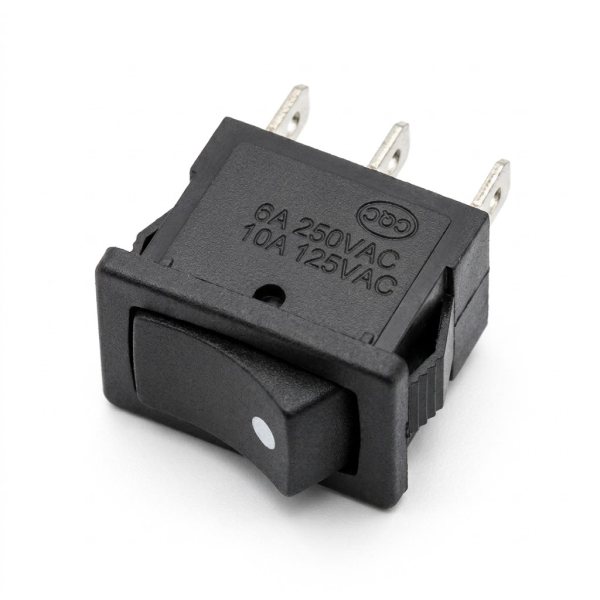
Push Button 6A 250VAC / 10A 125VAC
DZD 50.00
93 results
Tactile push buttons, ON/OFF toggle switches, micro-switches, DIP switches, rotary encoders and matrix keypads for your boards, enclosures and devices under repair.
P2026111006
P2026100934
P2026100933
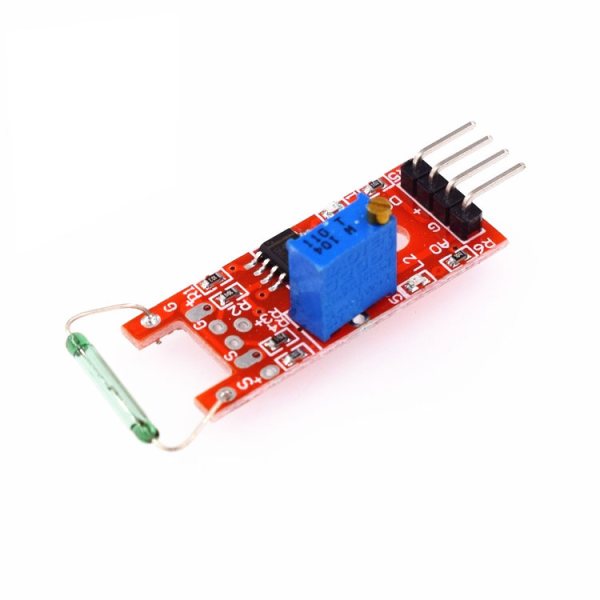
P2026100905
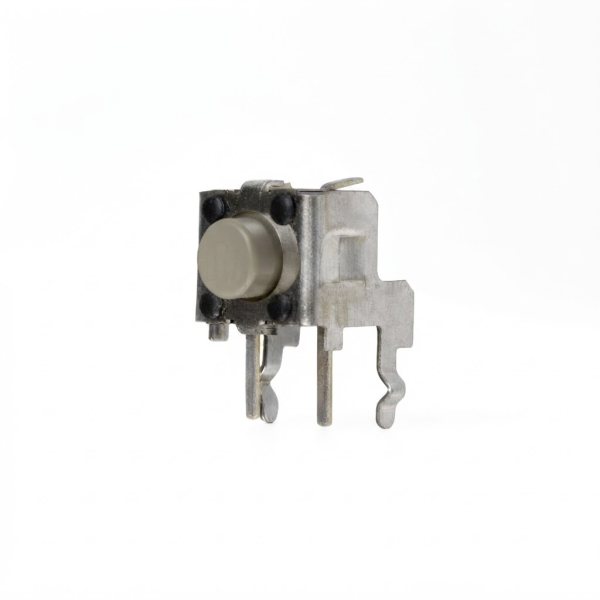
P2026100846
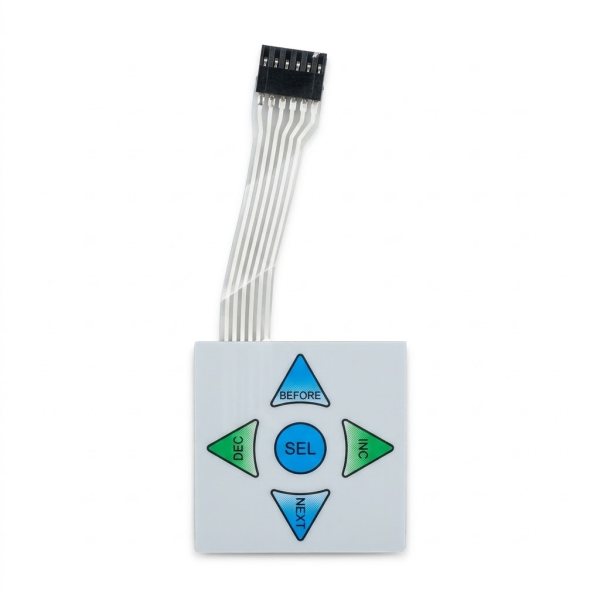
P2026090793
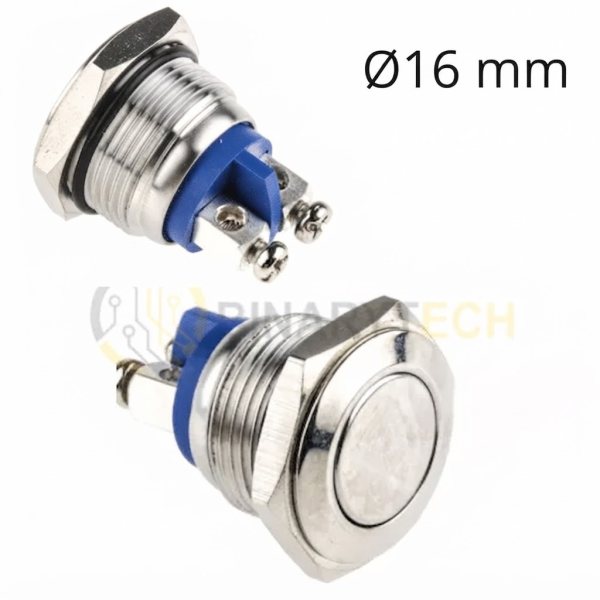
P2026090692
P2026080561
P2026070367

P2026070325

P2026070290

P2026070192


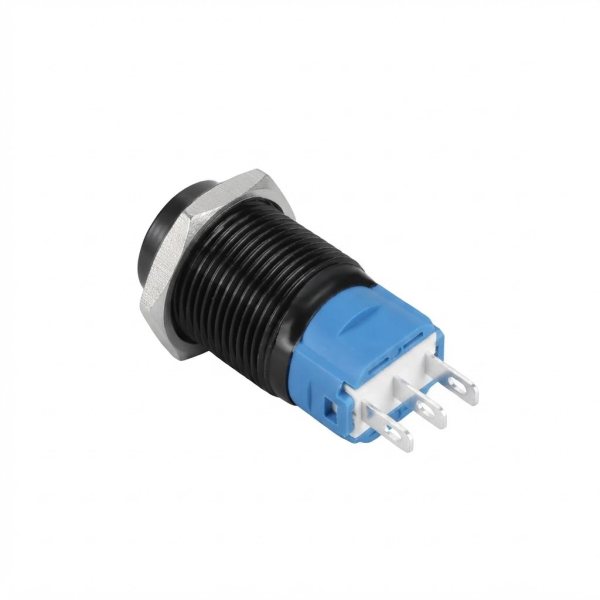
The first question is simple: do you want a contact that returns on its own or one that stays in place? A push button is momentary (it conducts only while pressed): this is the case for the 6x6 mm tactile switches fitted on almost every board, or the 12x12 mm push button with cover. A switch is latching: it holds its position, like the KCD1 ON/OFF or the SPDT ON/OFF/ON.
For an interface, look at the matrix keypads and the rotary encoders; for a setting configured once, the DIP switches. On the wiring side, plan for a pull-up resistor (or the INPUT_PULLUP input) and debouncing, otherwise a single press will be read several times. The rest of the electronic components complete the build.
The push button is momentary: the contact is made only while pressed, which suits reset, a menu, or a microcontroller input. The switch, toggle or slide like the SS12D00, holds its position and serves to cut or establish a power supply.
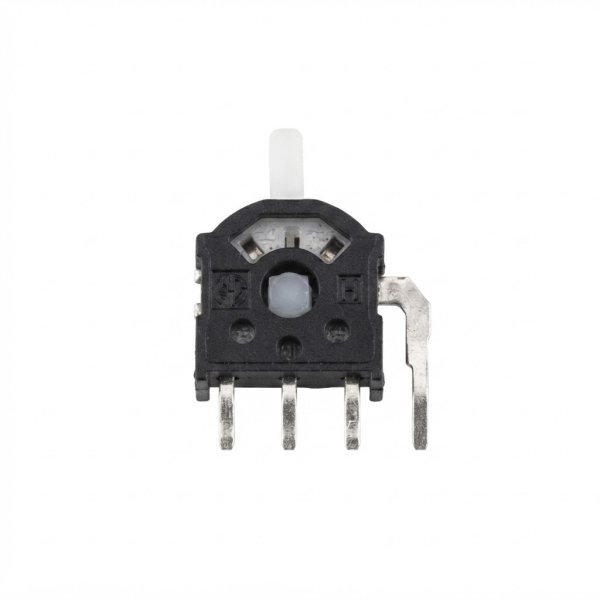
Measure the distance between the PCB surface and the top of the enclosure: the stem should protrude slightly or reach the level of the hole. The 5 and 6 mm versions suit bare boards, while 8 to 14 mm are needed when the button must pass through a thick cover.
This is the maximum current and voltage the contacts accept, here in AC. Stay well below these values with an inductive load (motor, transformer), which causes current spikes on closing.
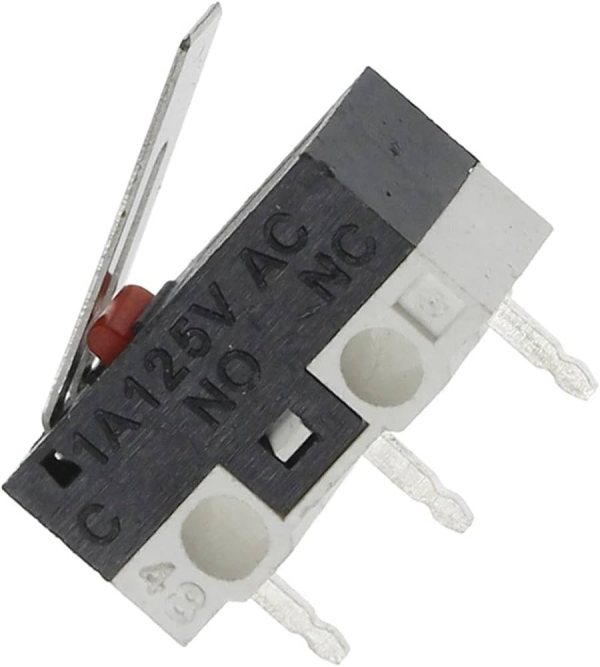
Yes, that is its original purpose: the roller lever is pushed by the moving part and switches the contact. It is used on 3D printers, CNC machines and gates, preferably wiring the NC contact so a wire break is also detected.
Current rating, housing type (through-hole, SMD, panel-mount, stainless steel), number of positions and manufacturer all play a role. An industrial-brand micro-switch, such as the Marquardt, is designed for a higher number of cycles and greater reliability than a generic model.