
New
DZD 150.00
216 results
Connectors for electronics and electrical work: screw terminal blocks, 2.54 mm headers, JST XH and PH, Mini-Fit, DIN, XLR, banana plugs, lugs and IC sockets.
P2026100939
P2026090728
P2026090669
P2026090668

P2026090663
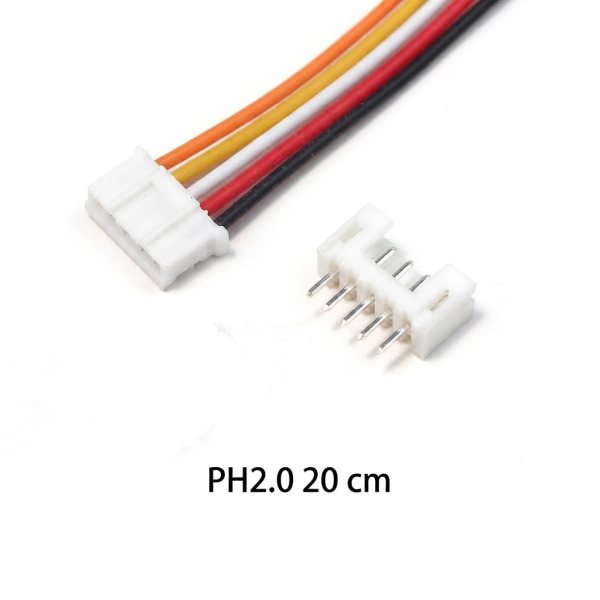
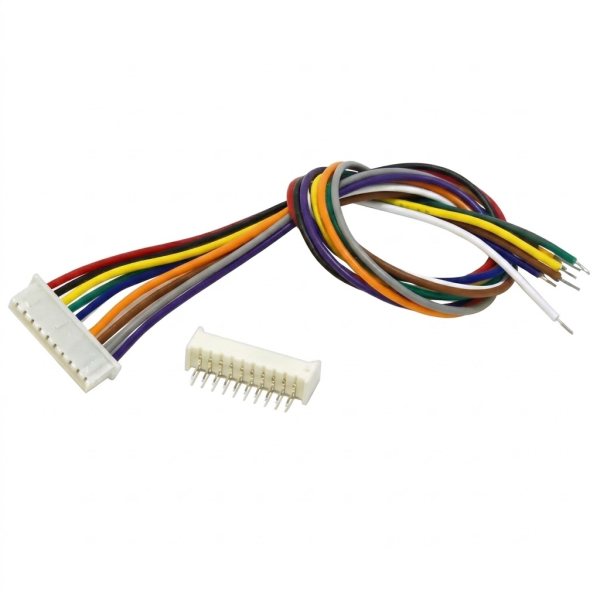
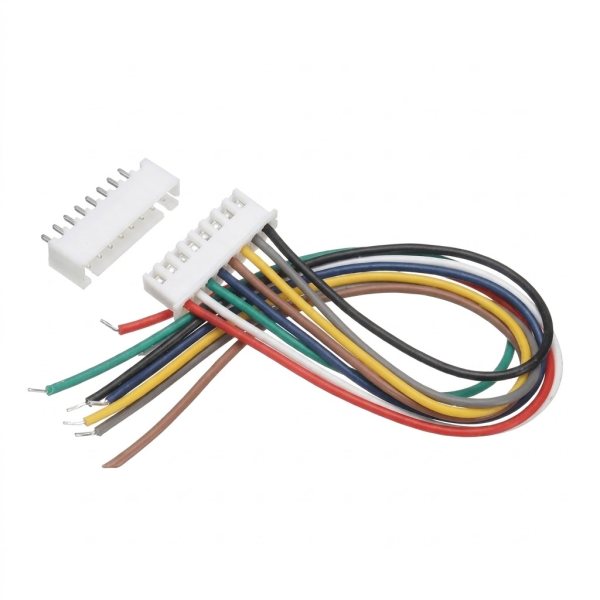
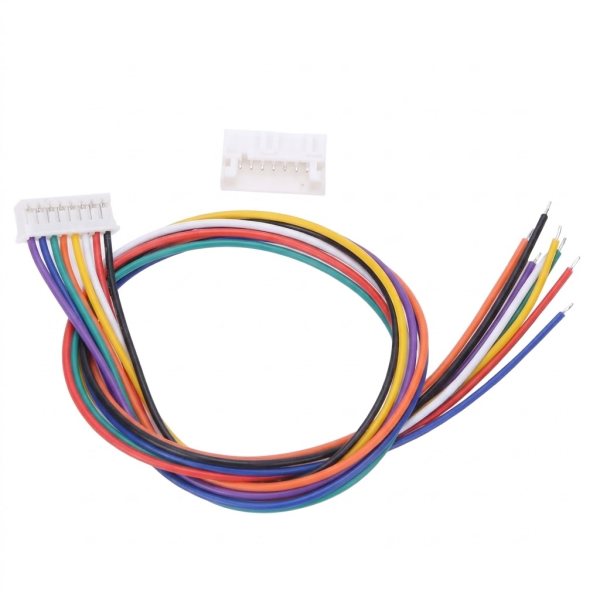
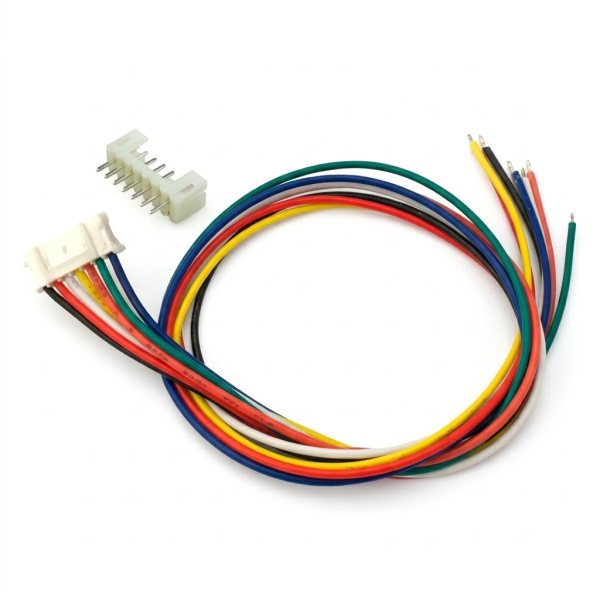
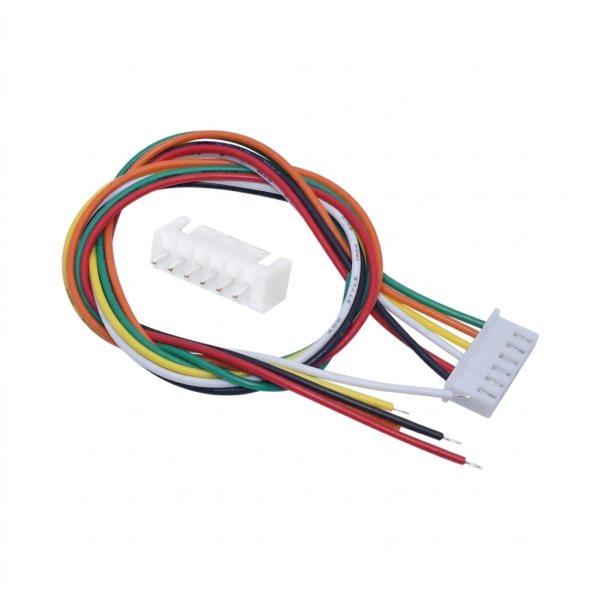
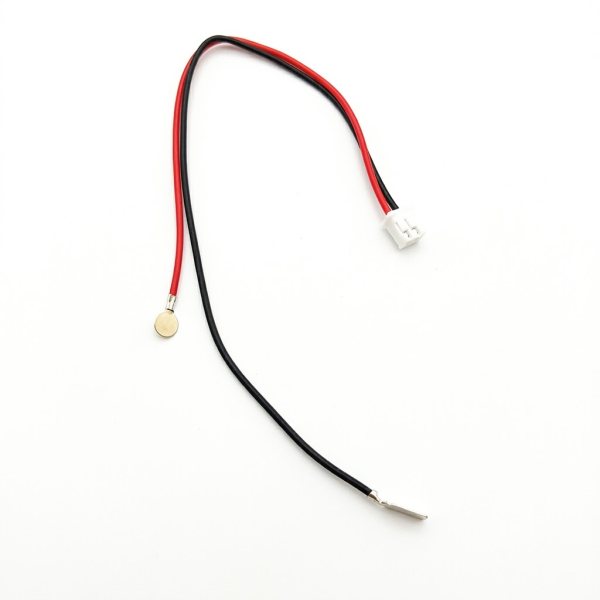
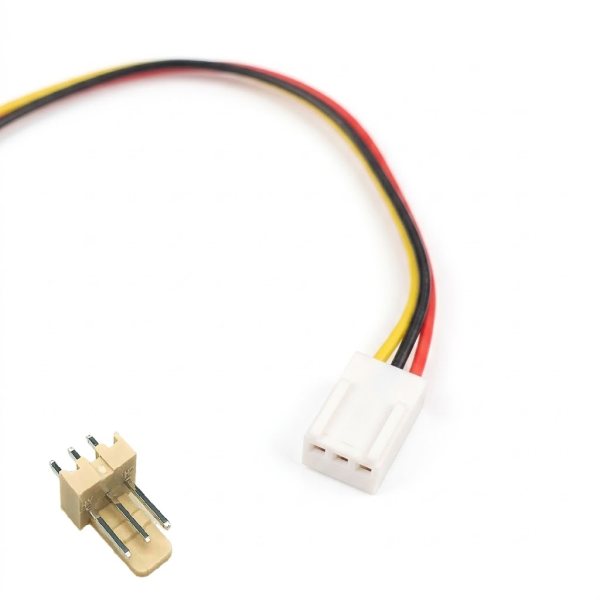
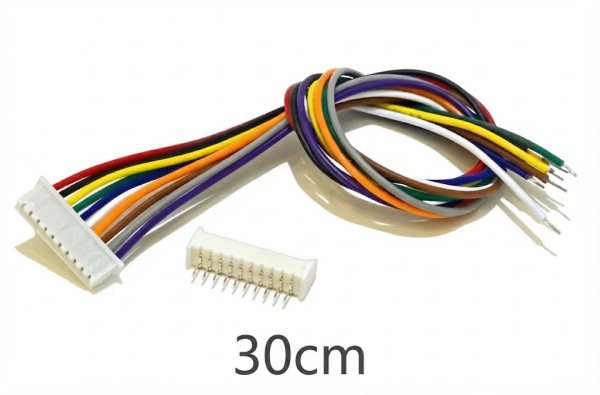
A connector is chosen on four points: the pitch (the spacing between contacts), the number of pins, the rated current and voltage, and the mounting style. JST XH headers and cables use a 2.54 mm pitch, JST PH a 2.0 mm pitch, and VH 3.96 mm is for higher currents: these families do not mix, an XH cable will not fit a PH housing.
For integrated circuits, a DIP socket avoids soldering the chip directly: a simple socket for 8 or 20 pin packages, or a 40-pin ZIF socket for a component that is removed often, as in programming.
The number indicates the pitch, that is, the distance between two contacts: 2.54 mm for the XH, 2.0 mm for the PH. The PH is more compact but handles less current, and the two are not interchangeable.
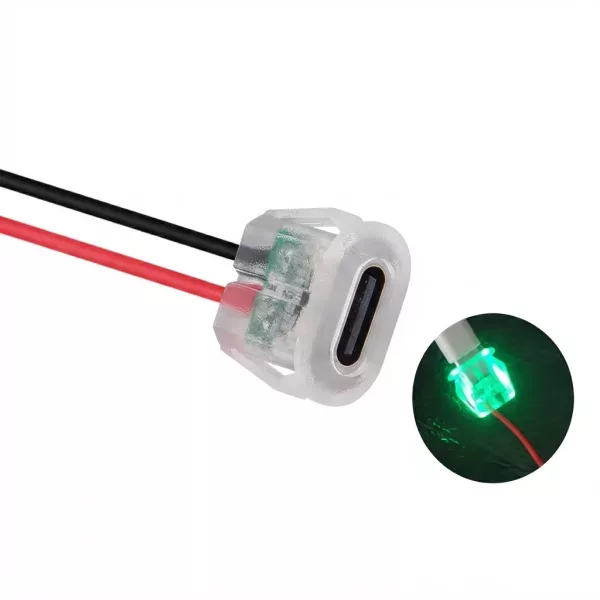
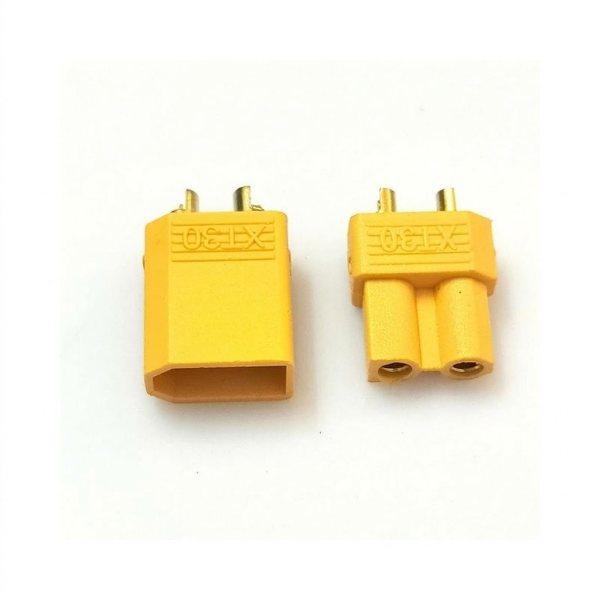
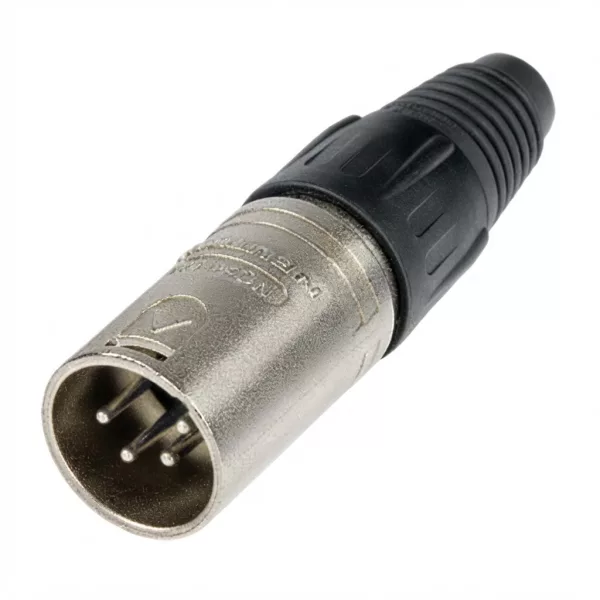
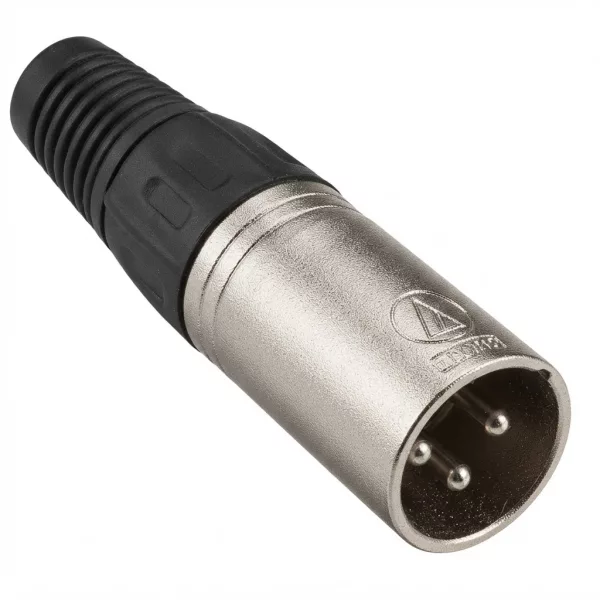
The male carries the pins or prongs, the female the receptacles that receive them. Watch out, though, for DC jack or banana type connectors, where the name follows the center contact rather than the housing: check the photo before ordering.
The simple terminal block screws directly onto the board and suits wiring that will not be moved again. The pluggable version, such as DEGSON or KEFA models in 5.08 mm, consists of a soldered base and a removable plug: you can separate the board from its wiring without touching any screws.
The socket is soldered on its own, without heating the component, and lets you replace or reprogram the chip as many times as needed. The ZIF model, with its lever, is designed for repeated insertions.
Favor a wide contact and a generous pitch: a 5.08 mm screw terminal block, VH 3.96 mm, Mini-Fit Jr, or a 6.3 mm flat lug, matching the wire gauge. 2.54 mm headers remain reserved for signal lines and low currents.