
New
DZD 1,350.00
75 results
Solder wire in reels and by the metre, in diameters from 0.3 to 1.2 mm, leaded or lead-free, plus flux, solder paste and iron holders.
P2026100917
P2026090751
P2026090727
P2026080619
P2026080618
P2026080533
P2026080532
P2026080531

P2026070445
P2026070203
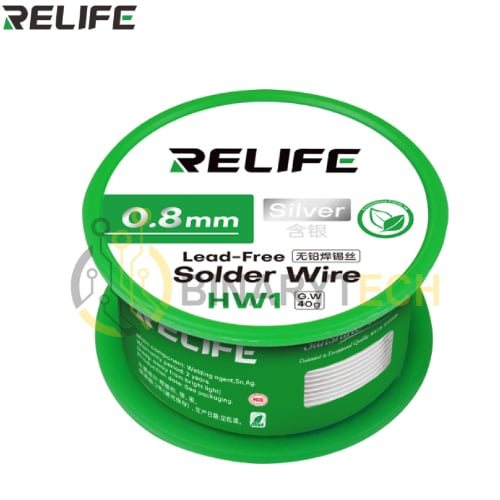
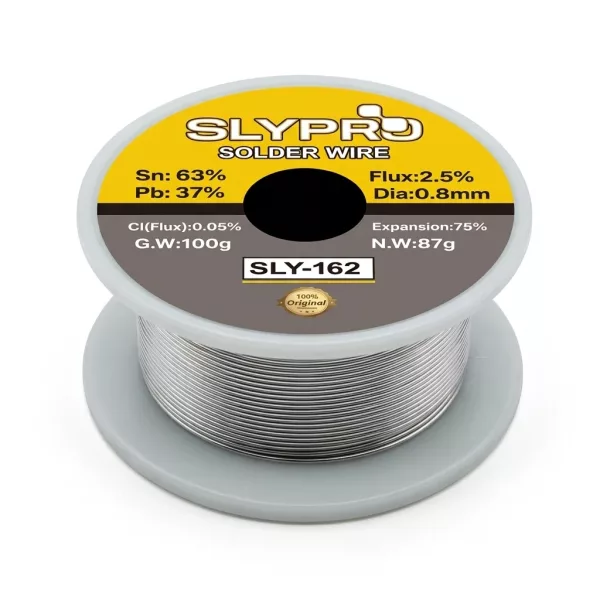
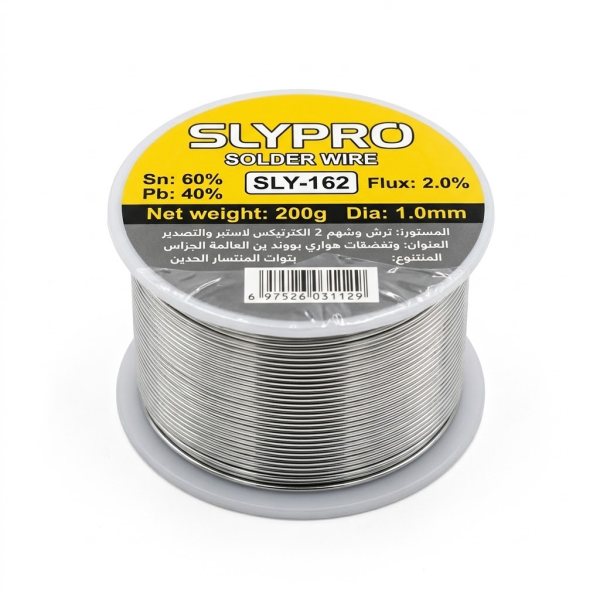
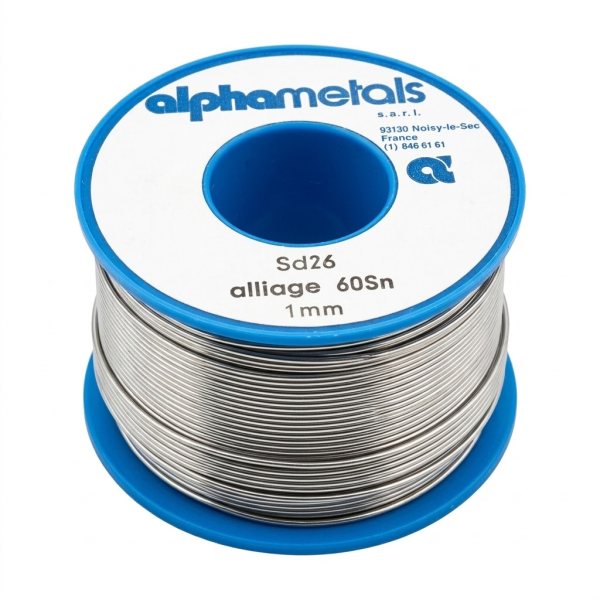
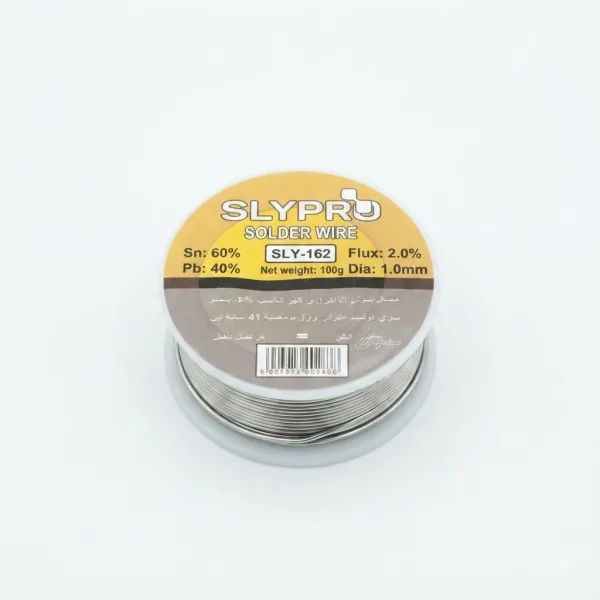
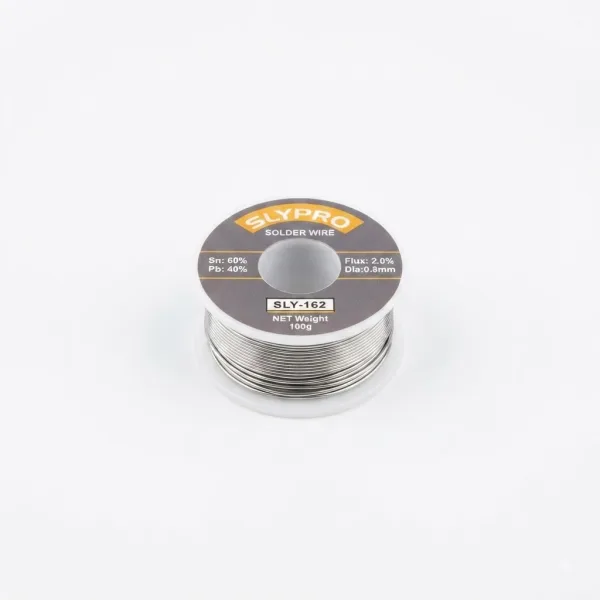
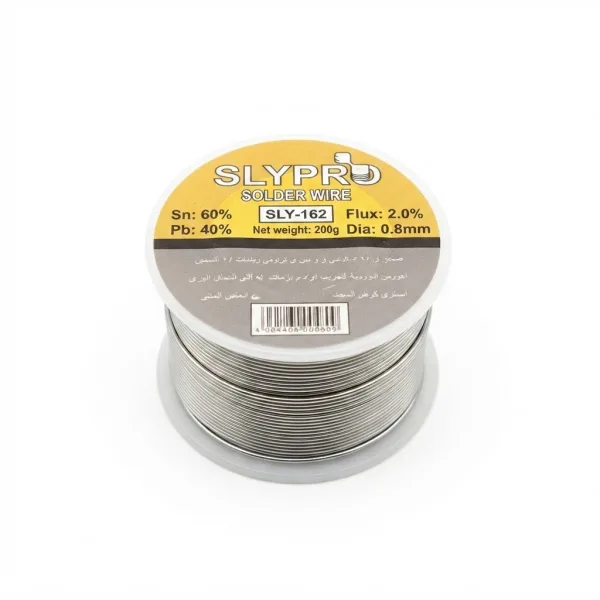
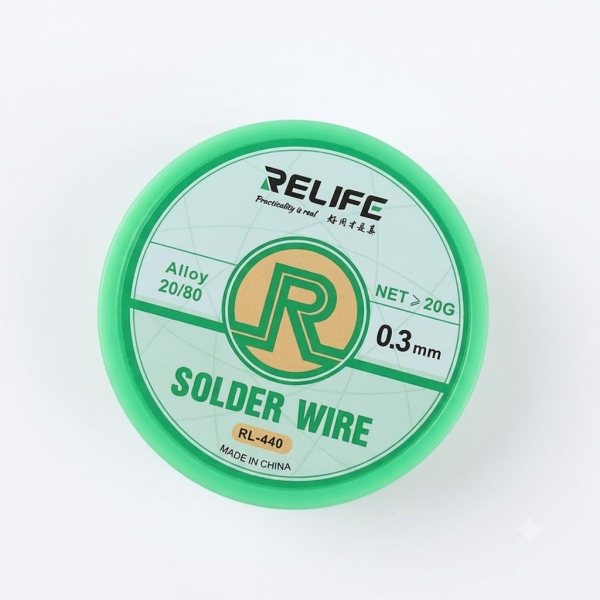
Two things decide the purchase: the diameter and the alloy. For fine electronics (SMD, phone boards, rework under a magnifier), stay between 0.3 and 0.6 mm, like the YAXUN 0.5/0.6 mm or MECHANIC HX-100 0.5 mm wires. For everyday wiring, connectors and through-hole components, 0.8 mm and 1 mm are the most versatile: Metaconcept 150 g, SLYPRO SLY-162, or the solder sold by the metre when it's just about finishing a repair.
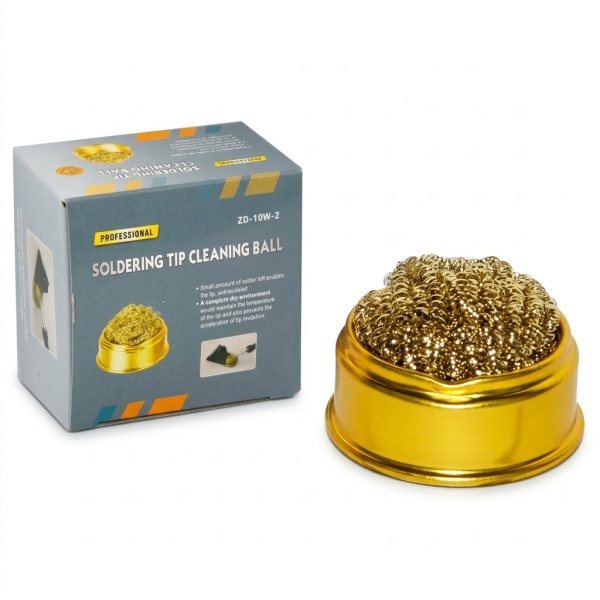
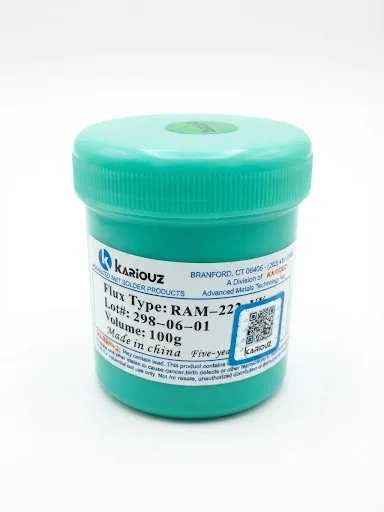
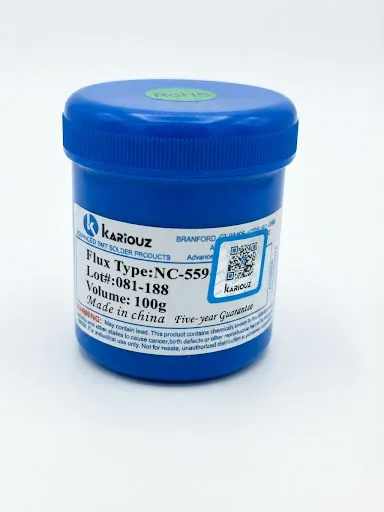
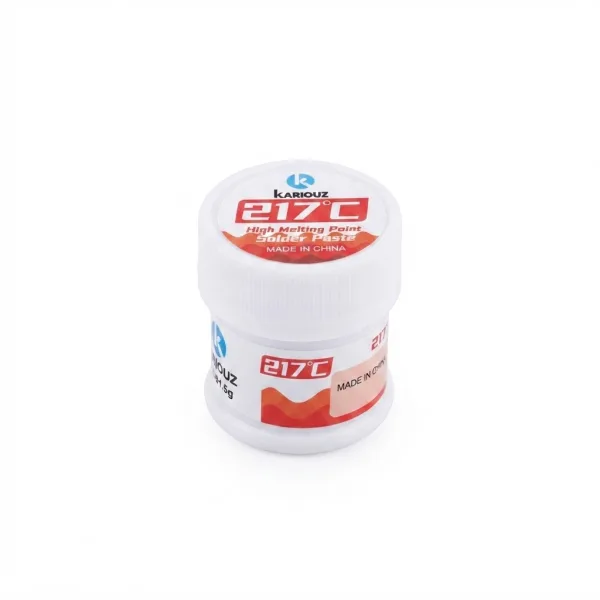
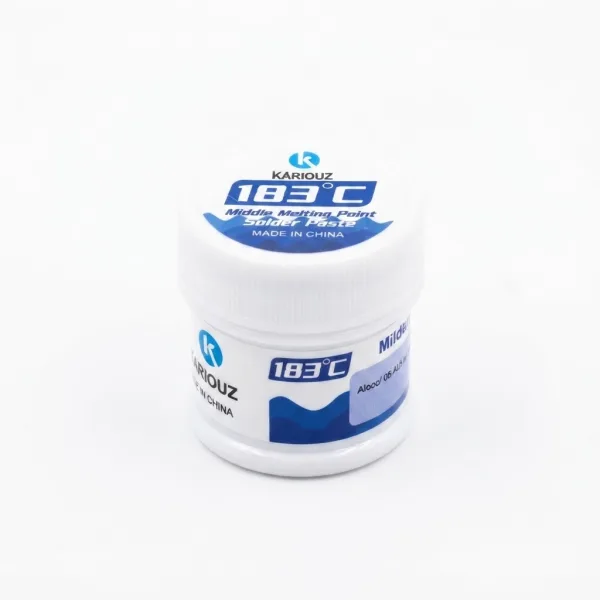
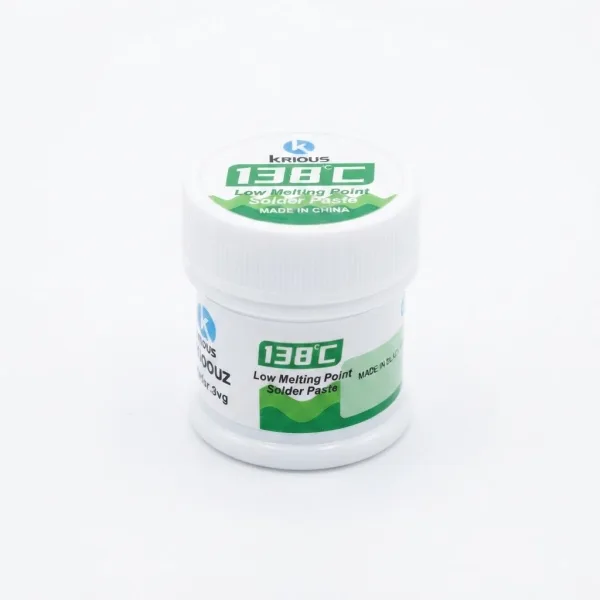
Separate flux stays useful whenever you desolder, reseat a connector, or work on oxidised copper: YUXUN YX-338 flux, MECHANIC UV50/UV80. For SMD components and reballing, move up to solder paste in a syringe (RELIFE RL-403s at 183 °C, RL-404s at 138 °C for heat-sensitive parts). Also consider an iron holder and a tip cleaner: a clean, tinned tip uses less solder and heats better. The rest of the soldering equipment rounds out the station.
0.3 to 0.6 mm for SMD and dense boards, 0.8 mm for general use, 1 mm and above for wiring, large connectors and power pads. If you only have one reel, go for 0.8 mm.
Sn63/Pb37 melts around 183 °C and spreads more easily, which forgives beginner mistakes. Lead-free melts higher, gives a duller joint, and needs a hot, clean tip.
This usually means syringe solder paste or liquid flux. Paste is for placing SMD parts and reballing, flux is for cleaning and helping the solder wet — neither one replaces solder wire.
For simple joints on clean copper, the flux built into the wire is enough. As soon as there's oxidation, a desoldering job, a ribbon cable or a connector to reseat, separate flux really changes the result.
Weight, diameter, the actual tin percentage in the alloy, flux content and brand account for the whole difference. A well-known Sn63/Pb37 wets better and smokes less than a low-tin alloy such as Sn40 or Sn20.