
New
P2026100920
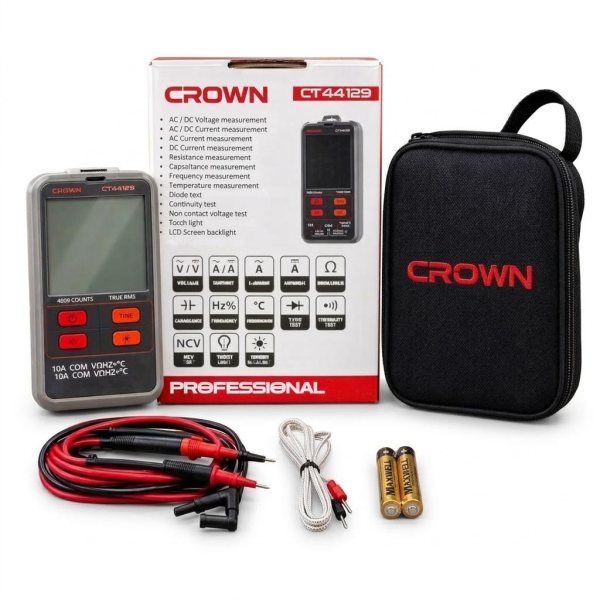
CROWN Digital Multimeter Ref: CT44129
DZD 4,900.00
66 results
Digital multimeters, clamp meters and voltmeter displays to measure voltage, current, resistance and continuity — from workshop models to True RMS multimeters.
P2026100920

P2026090725
P2026090711
P2026090710
P2026090709
P2026080624
P2026080623

P2026070446
P2026070204

P2026060050

P2026060049
P2026060049
P2026050001
JRGPJ46957
4F69L45538
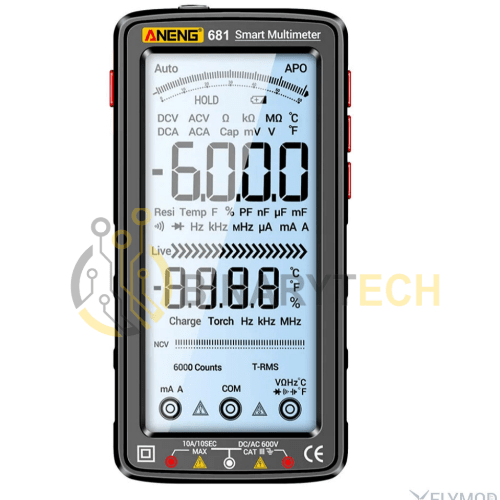
The first criterion is range selection: a manual model like the DT830D or MAS830L requires you to choose the measurement range yourself, while an auto-range model (UNI-T UT39C+, ZOYI 17B+, GS FIXTOP, WinAPEX 17B) finds it on its own, which is faster for troubleshooting and avoids range-selection mistakes.
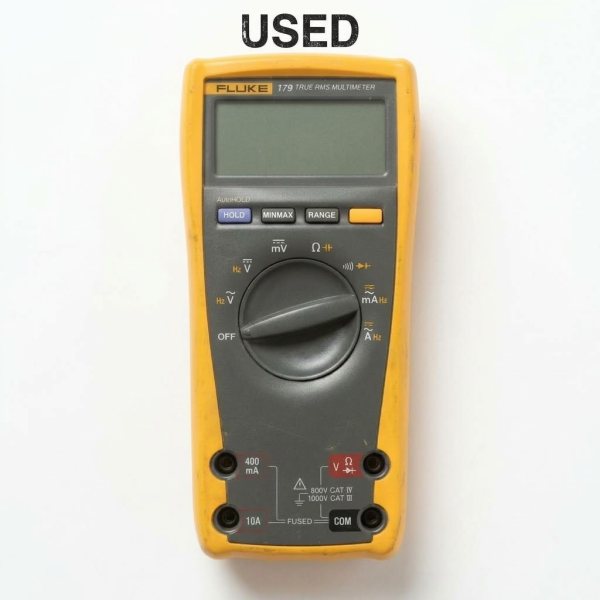
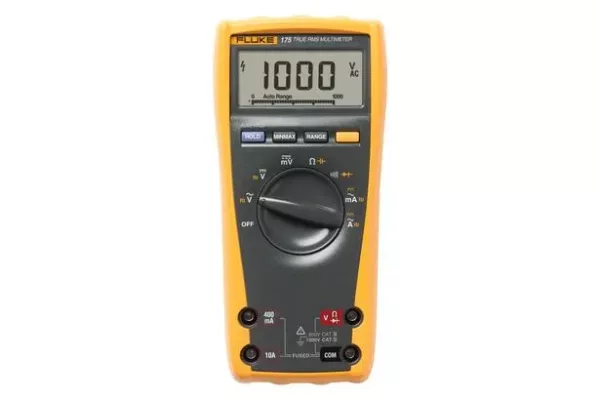
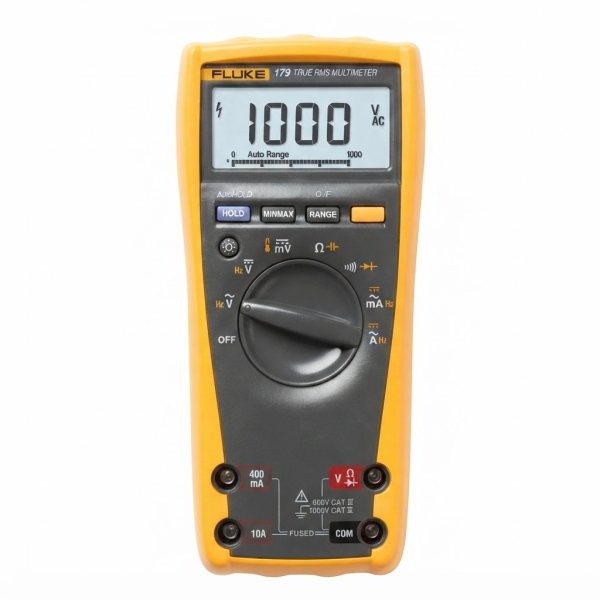
For non-sinusoidal alternating current — variable speed drives, switching power supplies, motors — a True RMS model is needed (WinAPEX 108D, MCP MU16A, Fluke 175 or 179, Metrix MTX 3291): an average-rectified multimeter would give a false reading on these signals.
For passive components, an LCR meter such as the MASTECH MS8910 is more suitable. See also the other measuring instruments and the Ohm's Law calculator to check your readings.
A standard multimeter assumes a sinusoidal alternating signal and calculates the effective value from the rectified average. A True RMS multimeter measures the actual effective value, even on a distorted or chopped signal, such as at the output of a variable speed drive or switching power supply.
Auto-range selects the range on its own: convenient for varied troubleshooting and for beginners. Manual range selection remains faster when you always measure the same order of magnitude, and these models are generally simpler.
The stated accuracy and the number of display counts, the presence of True RMS and auto-range, the safety category (CAT II, III, IV), the sturdiness of the casing and the brand. A workshop model and a certified measuring instrument are not built the same way.
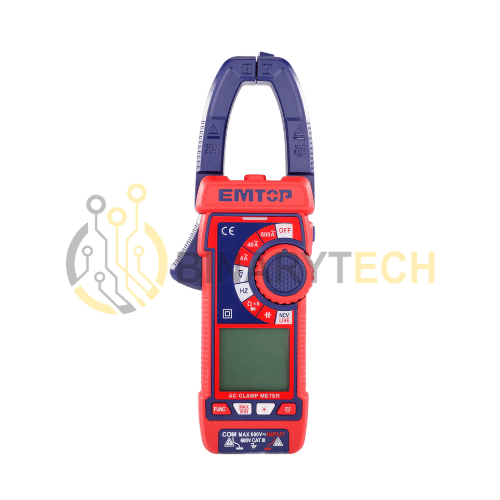
For low current, yes, by inserting the multimeter in series in the circuit. Beyond the input range (often 10 or 20 A) or if the circuit cannot be opened, a clamp meter is the right solution: it measures around the conductor.
NCV (Non Contact Voltage) detects the presence of an alternating voltage by bringing the device close to the cable, without metallic contact. It is a quick safety check before intervention, not a precise measurement.