
New
DZD 18,500.00
16 results
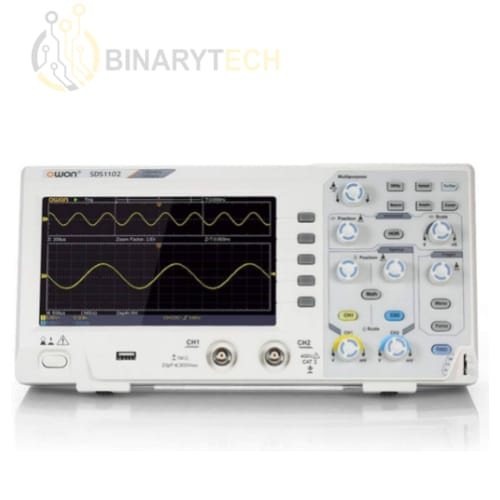
Bench, handheld and USB oscilloscopes, function generators and probes, for viewing a signal, measuring a frequency or injecting a test signal on a board.
GL8IW47288
YTHS131601
WJHAN12947
CT21H12957
D9UT212961
OJ3E112055
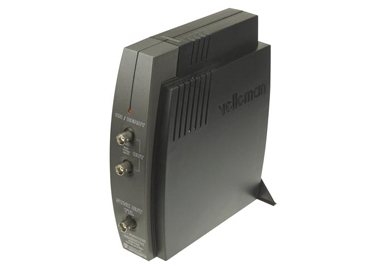
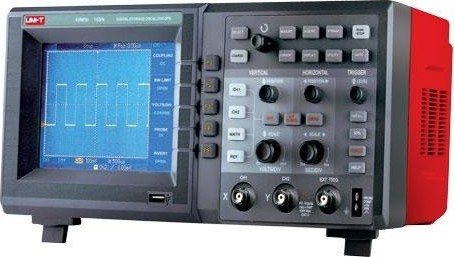
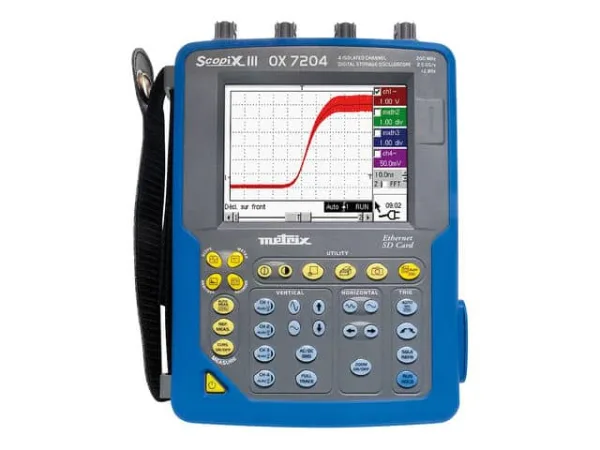
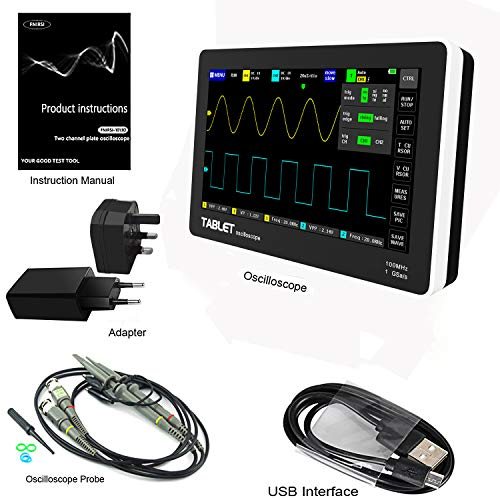
The first criterion for an oscilloscope is bandwidth: it must clearly exceed the frequency of the signal being observed. For Arduino work, PWM or switching power supplies, 25 MHz as on the Unit-T UT2025C is enough; for faster buses or broader troubleshooting, you move up to 100 MHz (MCP SDO1102) or 200 MHz (Metrix Scopix III). The number of channels matters too: two channels to compare input and output, four to follow several lines of the same bus.
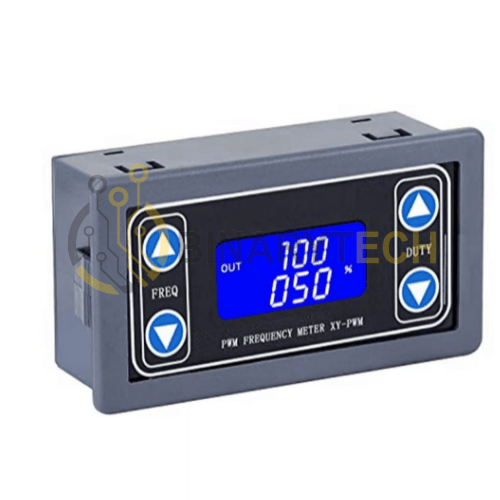
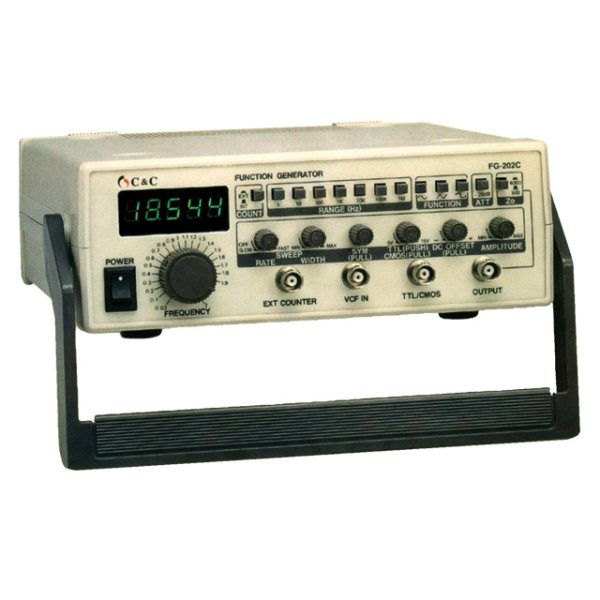
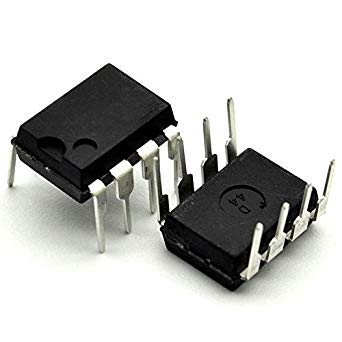
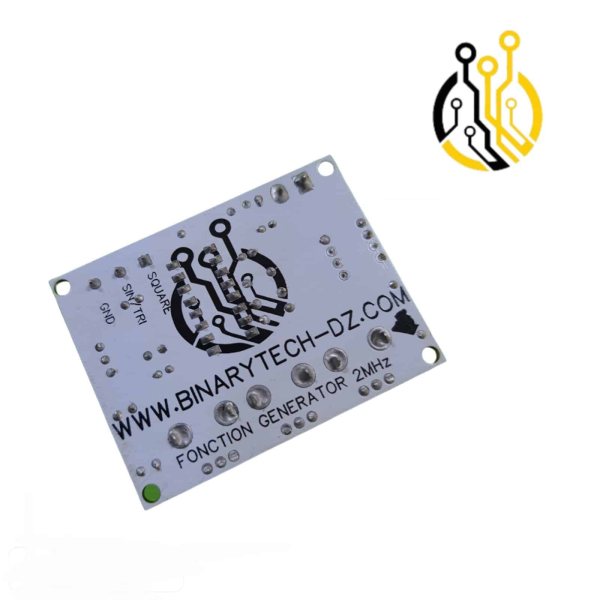
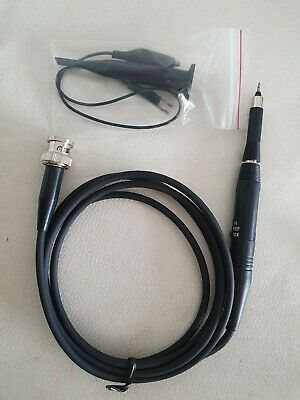
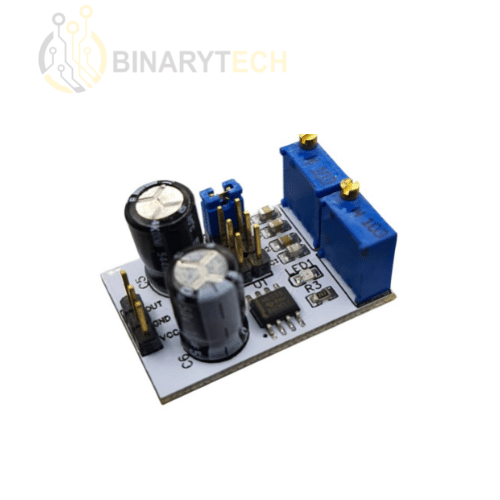
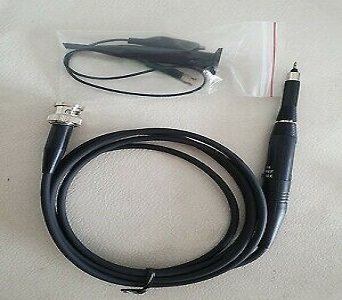
For the signal side, a simple NE555 module or a ZK-PP1K is enough for a test square wave or PWM; a function generator such as the XR2206 or FG-202C adds sine and triangle waves over a wider range. Also consider the probe: its bandwidth should match that of the instrument, and the x10 setting reduces the load on the circuit being measured. The rest of the range is found in Measurement and interfaces.
Allow for at least three to five times the frequency of the signal to be observed, since a square wave contains harmonics well above its base frequency. 25 MHz covers hobby electronics and microcontrollers, while 100 to 200 MHz covers fast signals and professional troubleshooting.
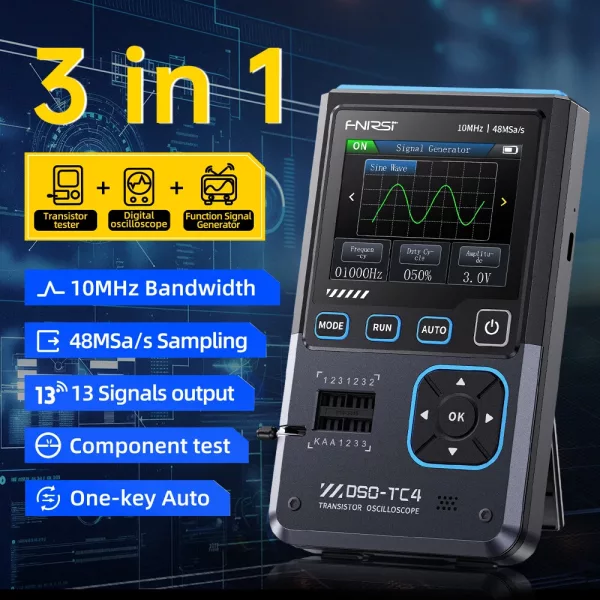
The handheld model runs on battery and fits in a bag, but its screen and bandwidth are more limited. The bench model offers a larger display, more settings and better measurement accuracy for a fixed workstation.
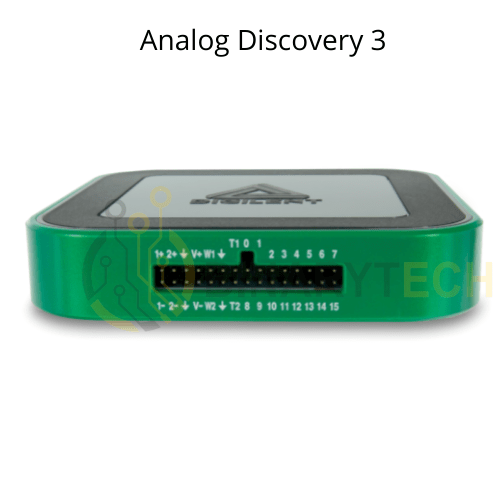
For analysis, recording and lab work, yes: the PC serves as display and memory, and models like the Analog Discovery 3 add a logic analyzer and generator. However, you always need a computer close at hand, which is less convenient in the field.
It injects a known signal (sine, square, triangle, PWM) to test an amplifier, a filter, a sensor or a power stage. Paired with the oscilloscope, it lets you compare input and output and record the response of a circuit.
Mainly bandwidth, sampling rate, number of channels and memory depth, then brand and built-in functions (multimeter, generator, component tester). An entry-level handheld model and a 200 MHz lab instrument are not in the same category.