
E4ALN47954
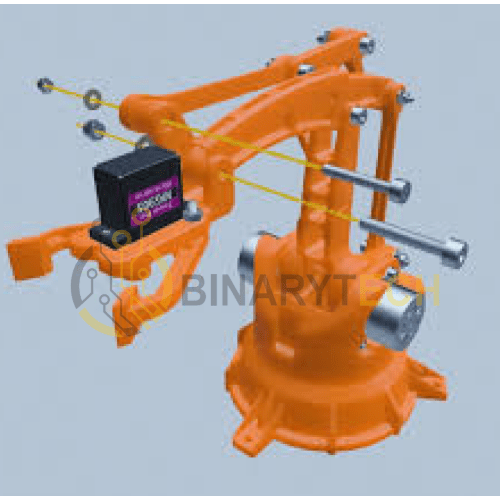
MK3 Robotic Arm with Stepper Motor
DZD 5,500.00
12 results
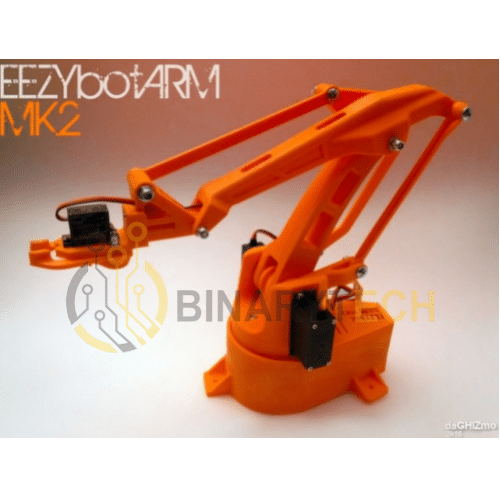
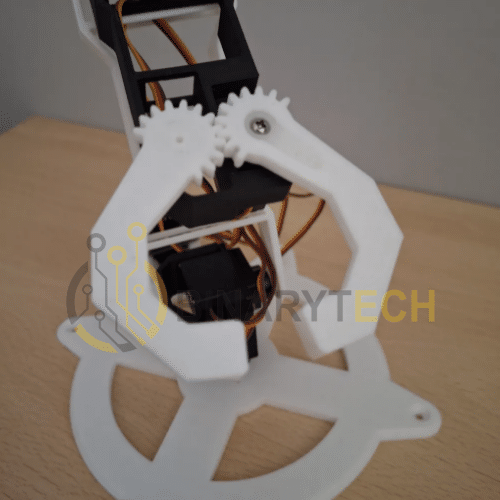
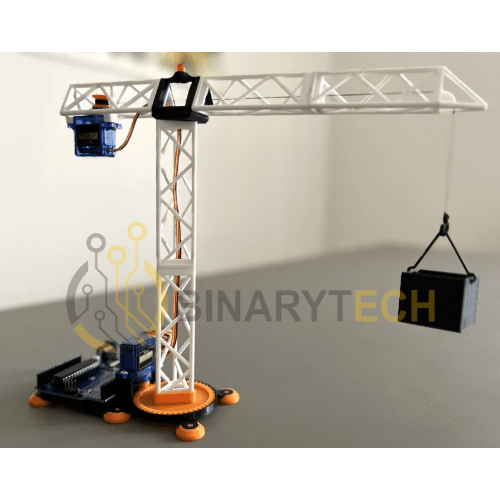
Robot car chassis, robotic arms, wheels and kits to assemble: the mechanical base for programmable robots driven by Arduino, ESP32 or compatible boards.
E4ALN47954
5KHQW46980
B1Q3346976
Q25C146968
BNQQZ26245
47B1426237
CW25H22927
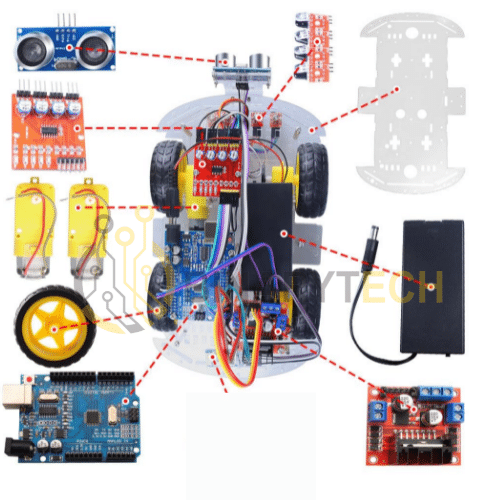
A programmable robot is built in three stages: a mechanical part (chassis, wheels, joints), motors, then a board that runs your program. This category mainly covers the mechanics and complete kits; the control electronics can be found in the Robotics basics category.
Finally, think about power supply: several motors starting at the same time can cause a voltage drop and reset the board. Plan for a battery capable of delivering the startup current, along with a suitable motor driver.
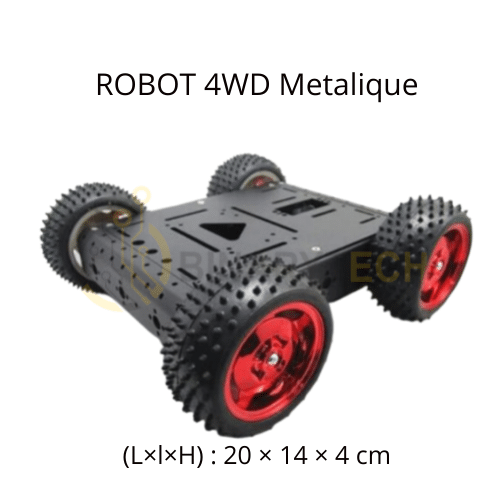
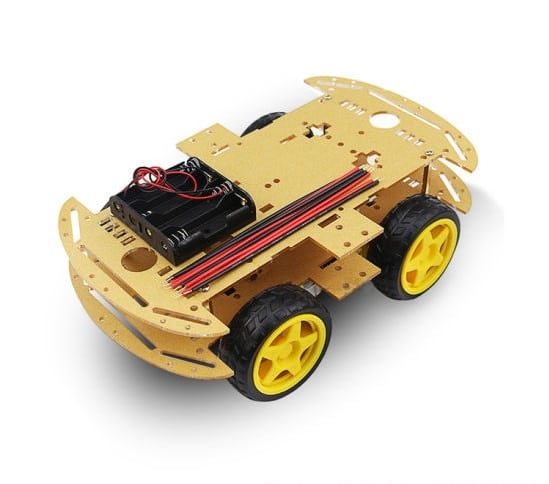
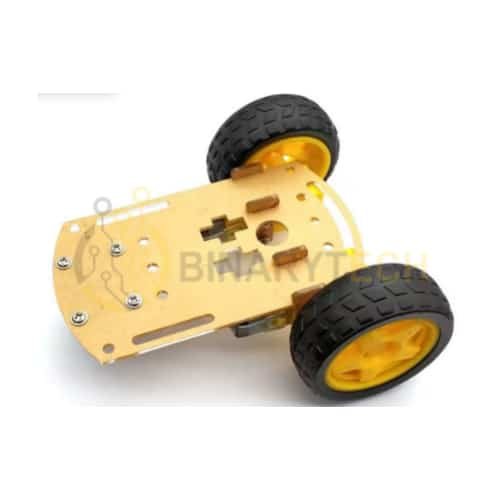
The 3-wheel chassis uses two motors and one caster wheel: it can pivot in place and consumes little power, making it the classic choice for a line follower. The 4-wheel drive chassis offers more grip and torque on carpet or uneven ground, at the cost of four motors to power and control.
Yes, they are neutral mechanical platforms: the plates are drilled to accept an Arduino, ESP32 or equivalent board along with a motor driver. The 4WD kit is advertised as Arduino compatible, but nothing prevents fitting a different board.
A servo arm is controlled with a simple PWM signal, programs in just a few lines, and suits learning and small manipulations. A stepper-motor arm, like the MK3, positions more finely and repeats the same movement more accurately, but requires drivers and more thorough tuning.
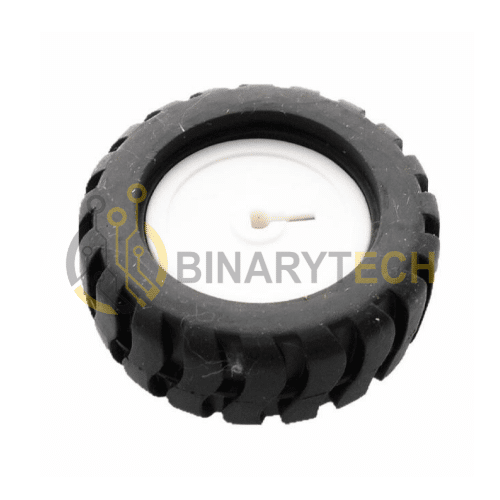
No. The shaft diameter and shape must match: 43 mm wheels designed for N20 motors with a D-shaft will not fit on a smooth round shaft or on the larger shafts of classic yellow gear motors.
Generally: a control board, a motor driver (motors cannot be connected directly to the pins), a battery and cables. Sensors (distance, line tracking) can be added depending on the desired behavior.