
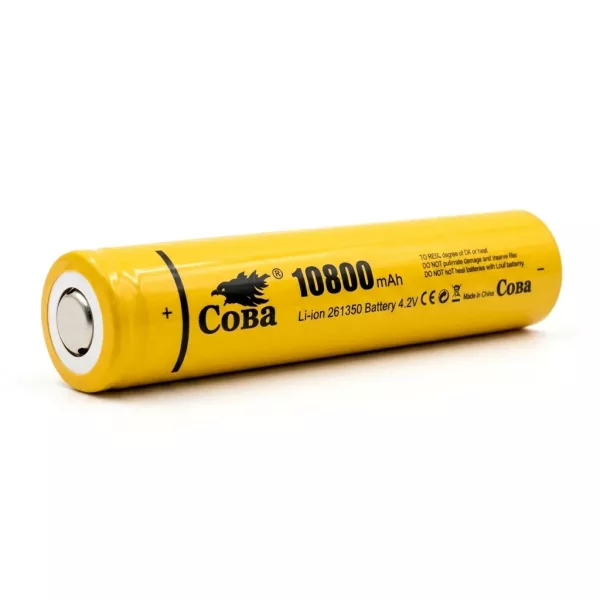
New
DZD 850.00
43 results
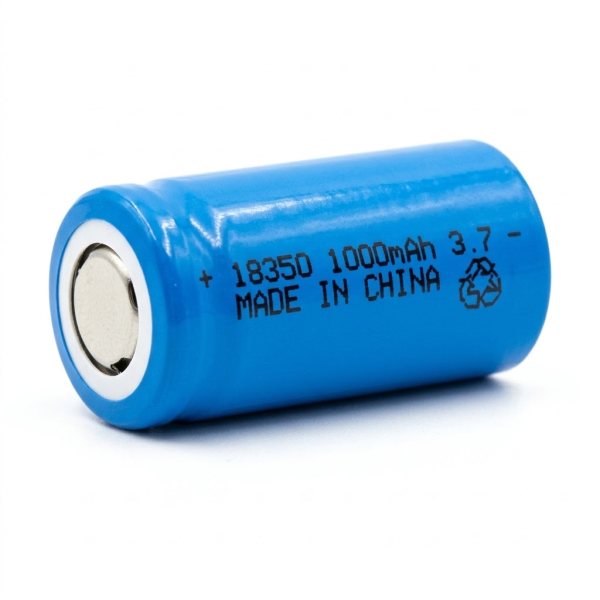
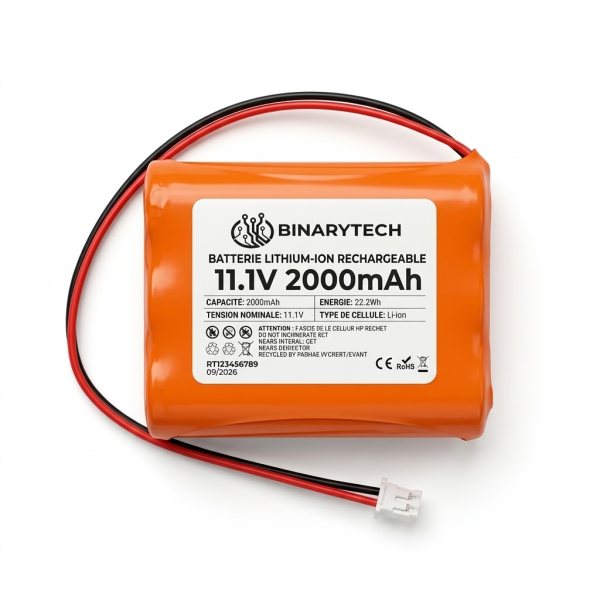
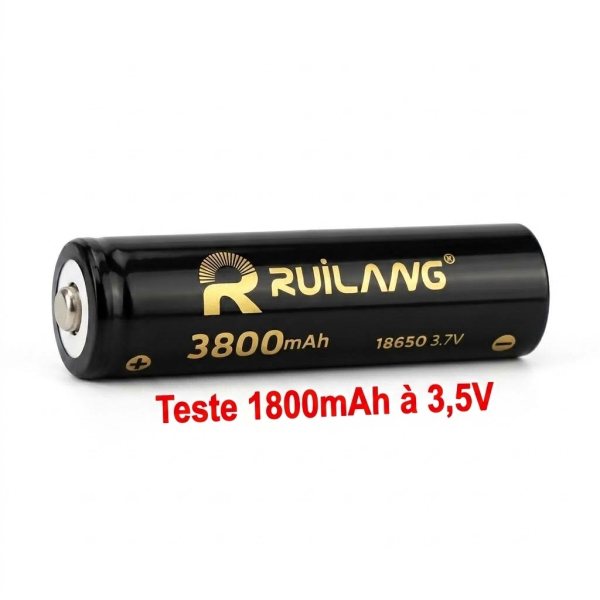
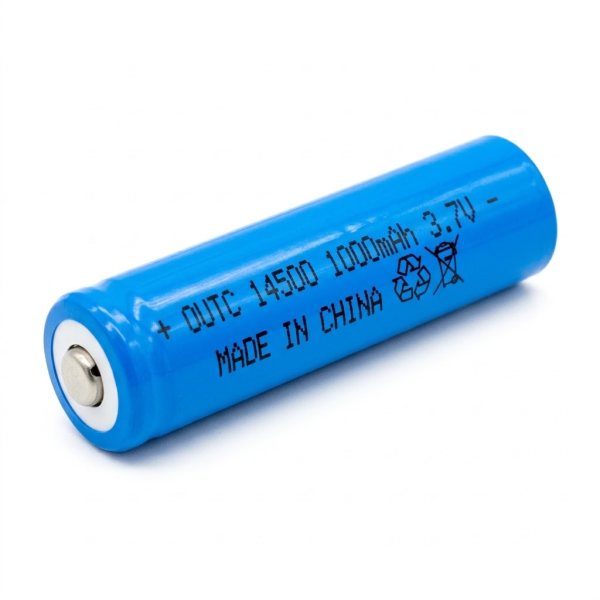
Lithium 18650, 18500, 18350 and 14500 cells, assembled Li-ion packs, rechargeable Ni-Cd and Ni-MH batteries, and 1S to 6S BMS boards to protect and balance your batteries.
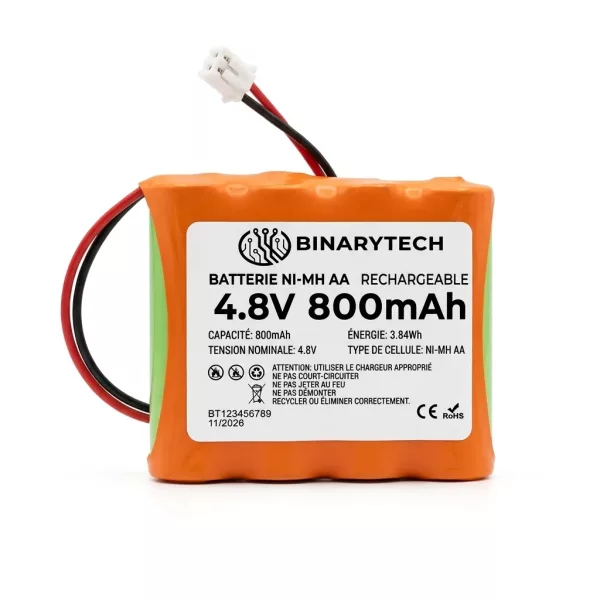
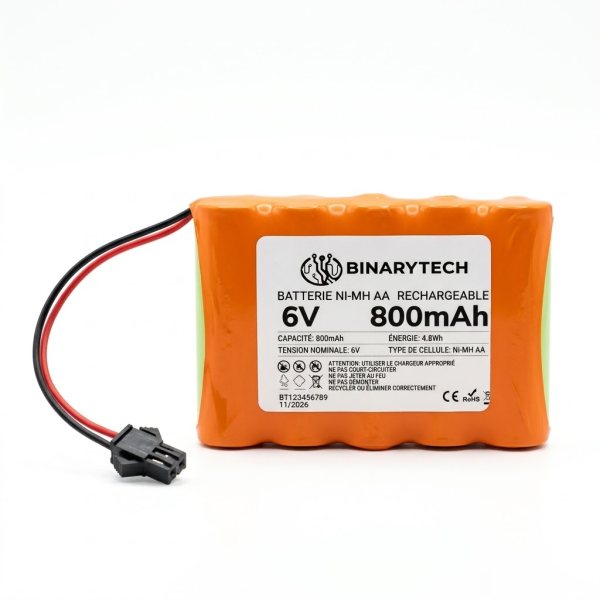
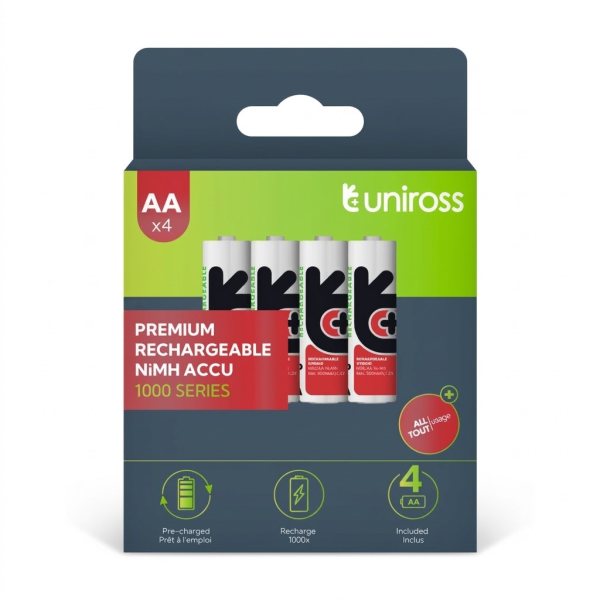
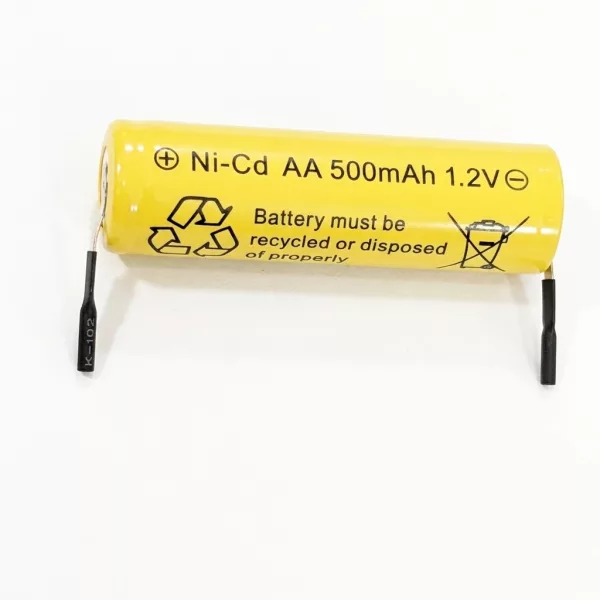
P2026100936
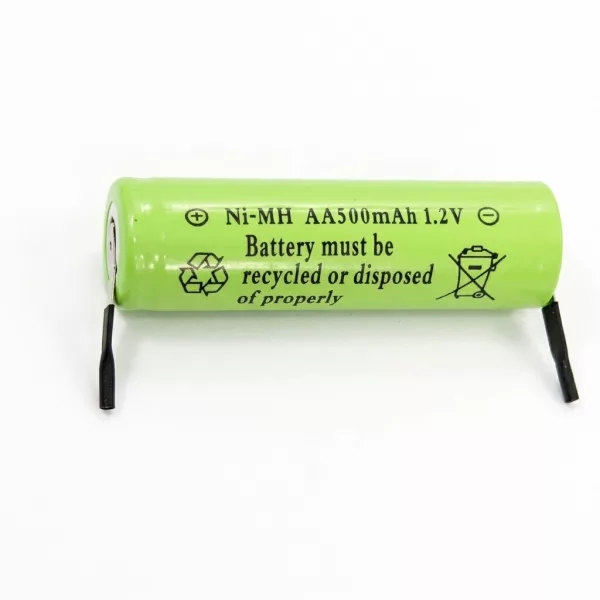
P2026100935
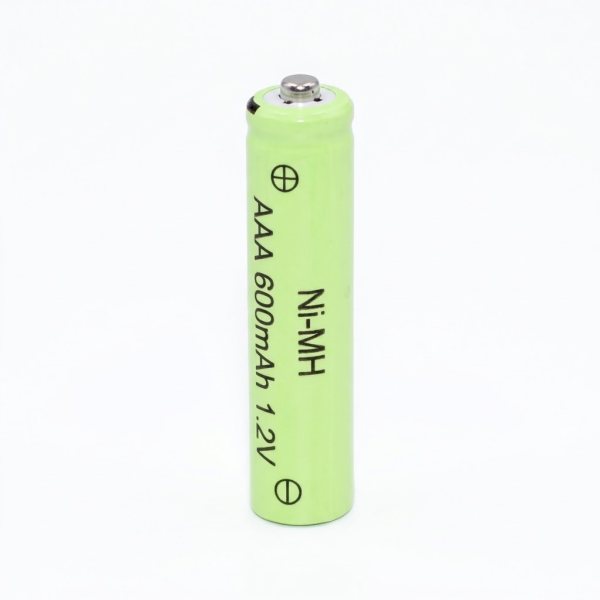
P2026100924
P2026100923
P2026090792
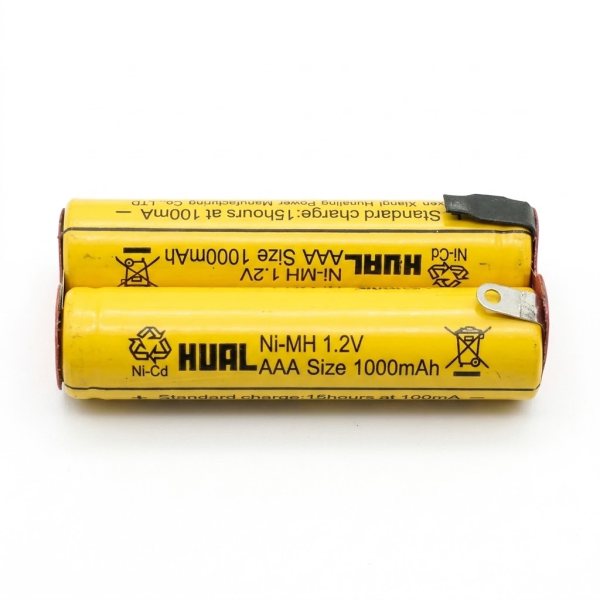
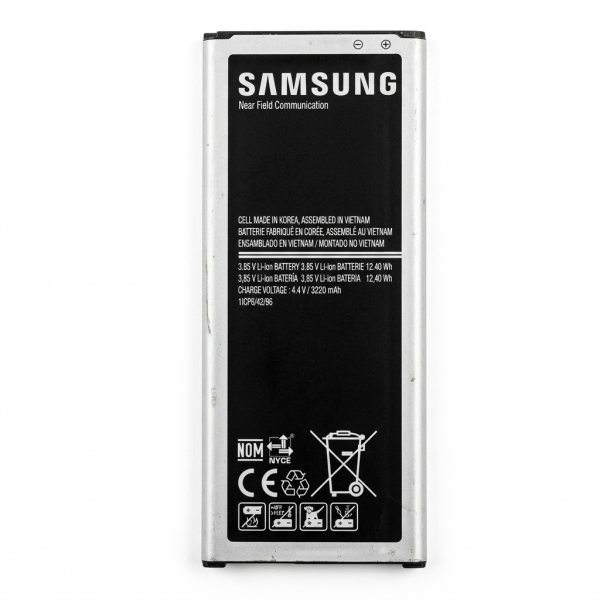
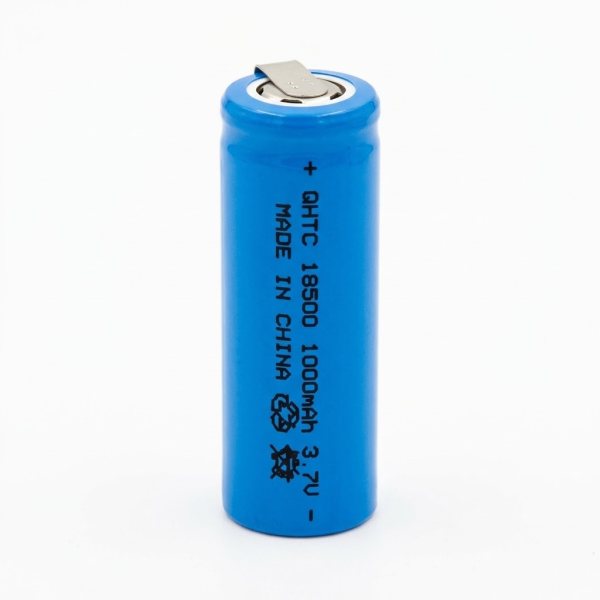
The choice starts with chemistry. A lithium-ion cell (18650, 18500, 18350, 14500) gives 3.7 V nominal and good energy density: it's the basis for packs used in robots, flashlights, speakers and portable power supplies. Ni-MH and Ni-Cd cells in AA format stay at 1.2 V per cell, connect in series in standard battery holders and handle repeated low-voltage charge and discharge cycles better.
For lithium, a BMS is not optional: it cuts off on over-discharge, overcharge and short-circuit, and balances the cells. You choose it based on two points.
References like the LG 18650 3000 mAh or the Samsung INR18650-25R stand out by the discharge current they support: check it before powering a motor. If you're looking for non-rechargeable batteries or holders instead, go back up to Batteries and cells.
The 18650 is a lithium-ion cell at 3.7 V, larger and more energetic, which requires a protection circuit. The AA Ni-MH gives 1.2 V, charges on a common battery charger and suits devices designed for standard batteries.
Count the number of cells in series in your pack (3 cells = 3S, 4 cells = 4S), then choose a current rating above the maximum current your load will draw. A 3S 40A BMS won't work on a 4S pack, even if the voltage seems close.
No. In a series pack, the weakest cell limits the whole set and heats up more. Use cells of the same reference, the same capacity and at the same charge level when assembling the pack.
Yes: lithium charging works in constant current then constant voltage mode, with a cutoff at 4.2 V per cell. A Ni-MH battery charger is not suitable, and a series pack needs a charger matched to the pack voltage with a BMS in place.
The capacity in mAh, the supported discharge current, the brand of the cell, and whether it's a single cell or a pack already assembled with BMS and wiring.