
New
DZD 950.00
25 results
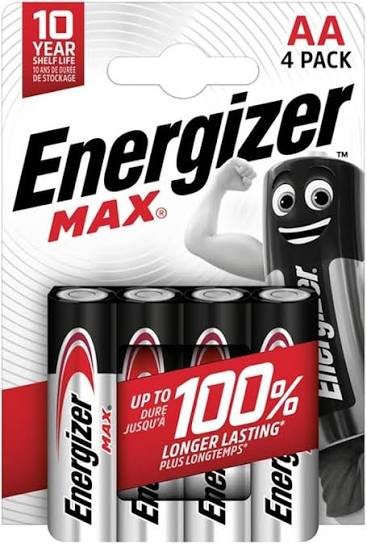
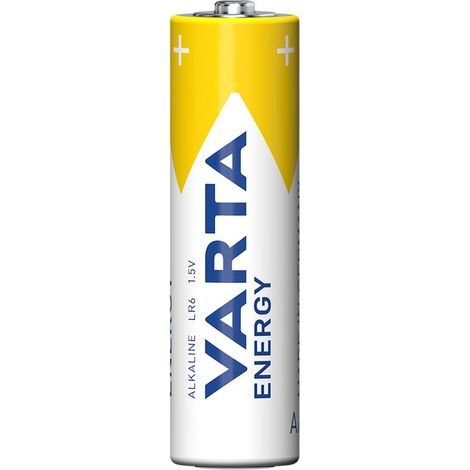
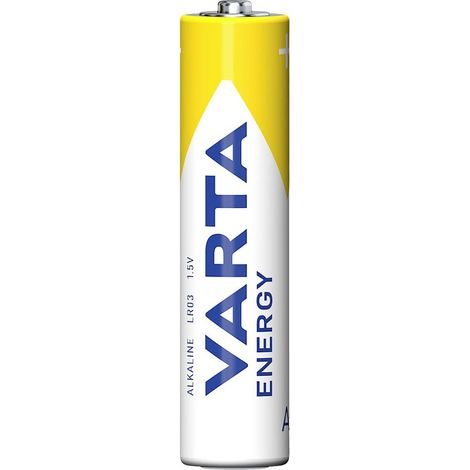
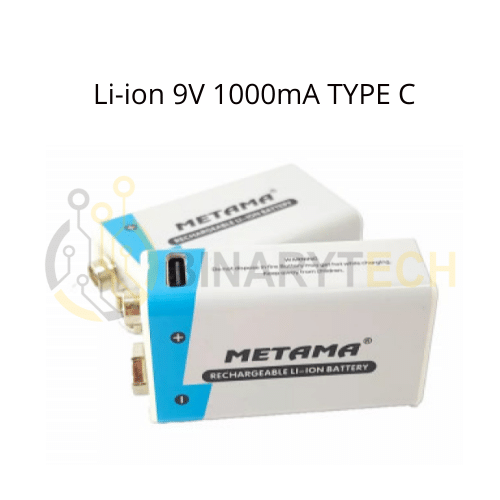
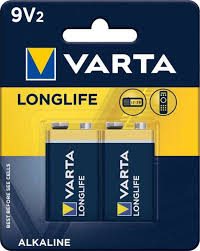
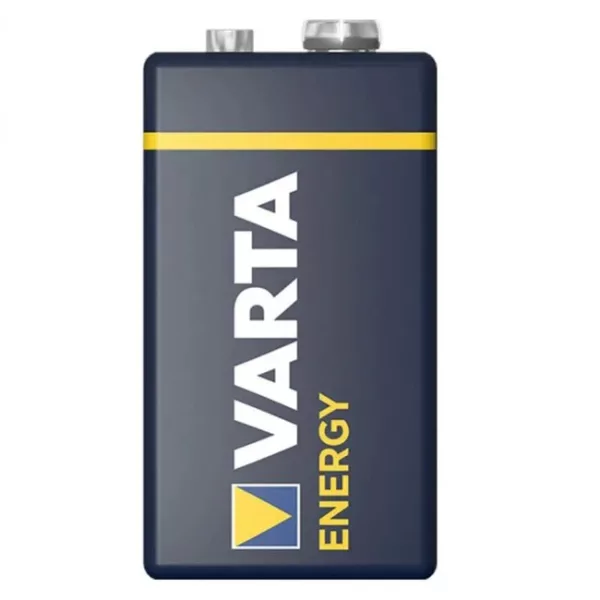
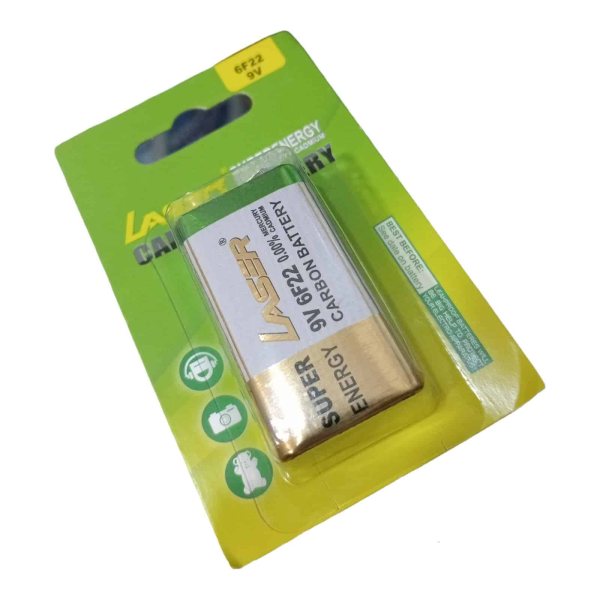
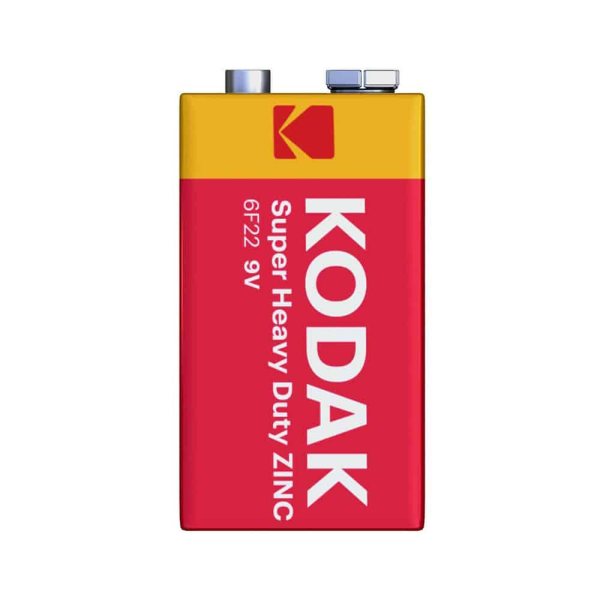
Alkaline and zinc-carbon 1.5V batteries (AA, AAA), 9V 6F22/6LR61 batteries, 12V 23A and lithium coin cell formats, plus a few rechargeable models for multimeters, remote controls and electronic projects.
3GHR534286
T9IAV25711-1-4

T9IAV25711-2-1-2
T9IAV25711-2-1-1-1
Start with the format, it is what decides everything: AA (LR6/R6P) and AAA (LR03) for remote controls, mice, sensors and project enclosures; 9V (6F22 / 6LR61) for multimeters, smoke detectors and effect pedals; 12V 23A for gate and alarm remote controls; CR1220 3V lithium to back up the clock on a motherboard or an RTC module.
Next comes the chemistry, and this is where many people get it wrong:
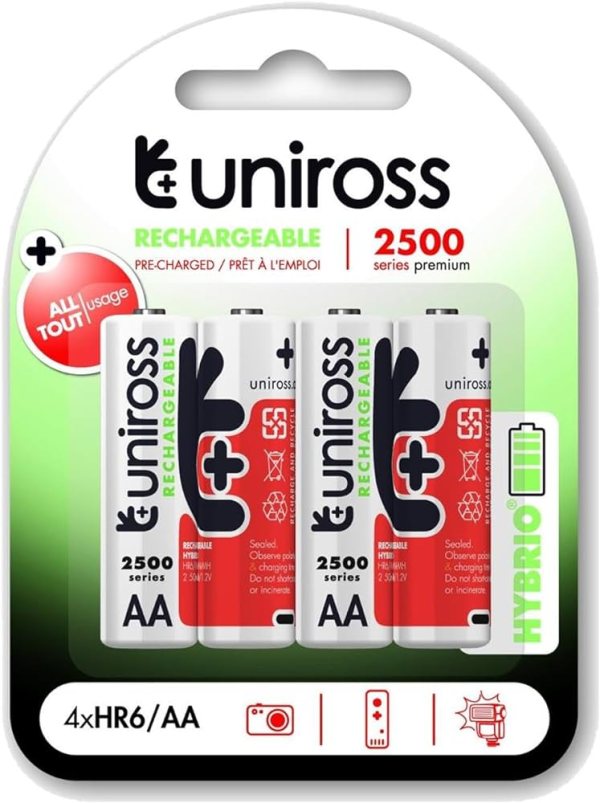
For rechargeable batteries and chargers in other formats, see the category Rechargeable batteries. Never mix a new battery with a used one in the same device, and remove the batteries from a project left unused for a long time to avoid leakage.
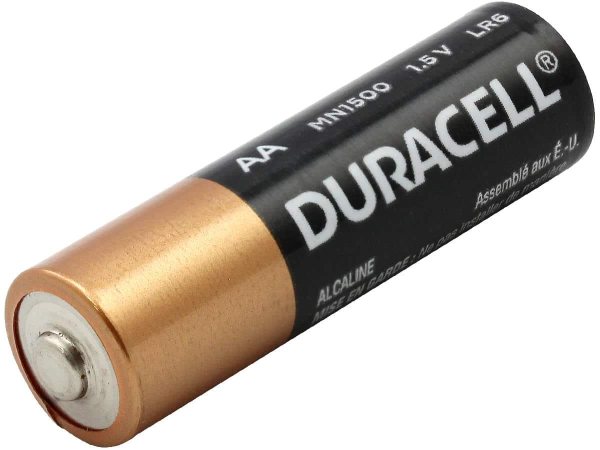
The alkaline stores more energy and handles better in devices that draw more current, such as a multimeter or a motorized toy. The saline (zinc-carbon, marked R6P or 6F22) costs less and suits light, intermittent use: clocks, remote controls, doorbells.
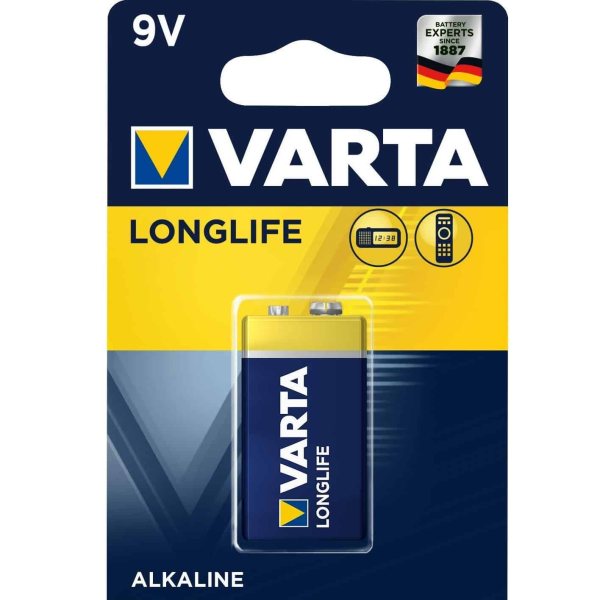
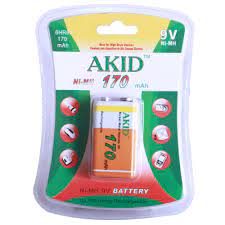
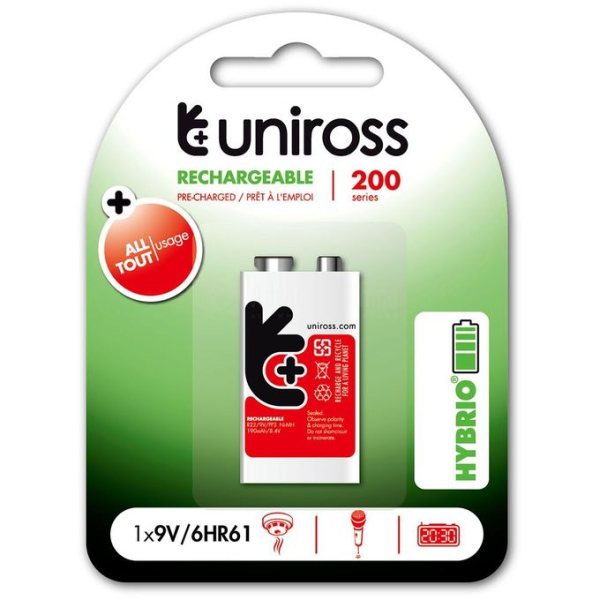
The vast majority of pocket multimeters use a 9V 6F22 / 6LR61 battery. An alkaline version lasts noticeably longer than a saline one and avoids readings that drift as the voltage drops.
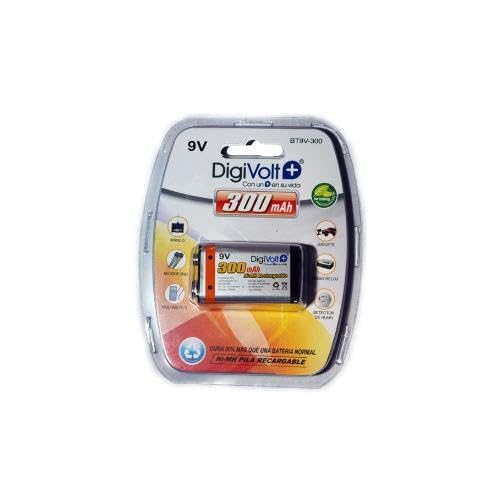
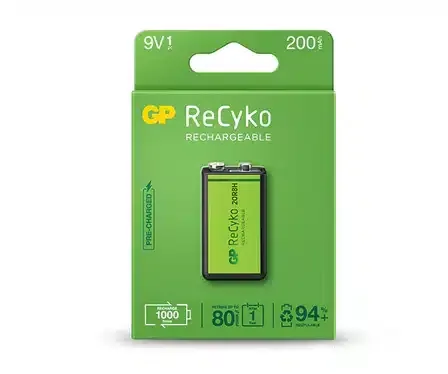
Yes, in most devices, but its actual voltage is about 8.4V and its mAh capacity is lower, so the runtime per cycle is shorter. It becomes worthwhile if you change batteries often, for example on an effect pedal or a wireless microphone.
This is possible via the VIN pin or the jack, the board's regulator brings the voltage down to 5V, but the efficiency is poor and the battery drains quickly. For a project with a screen, servos or radio modules, prefer a mains power supply or a battery pack.
The chemistry first (saline, alkaline, lithium, rechargeable), then the stated capacity, the brand and the packaging in a multi-unit blister pack. A branded alkaline costs more upfront but often turns out cheaper per hour of use.