
New
DZD 1,250.00
40 results
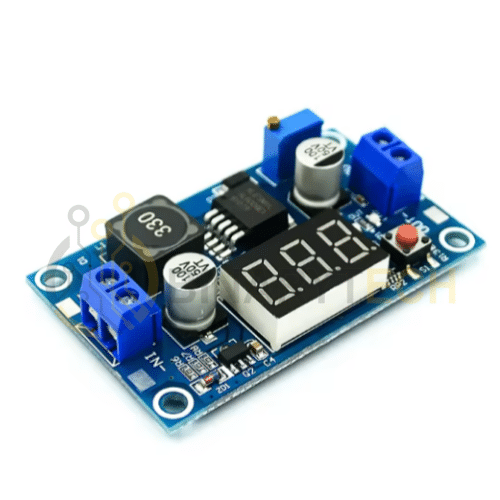
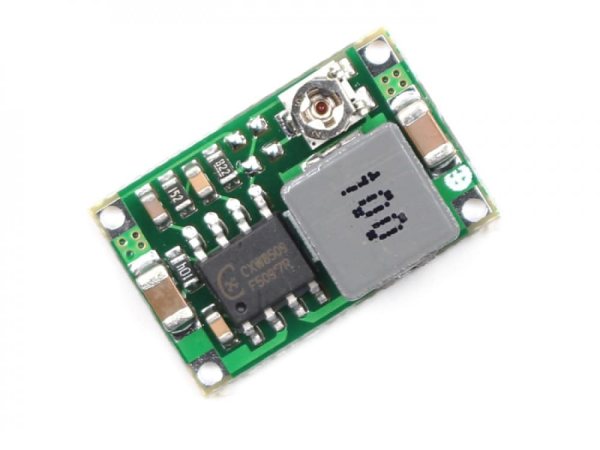
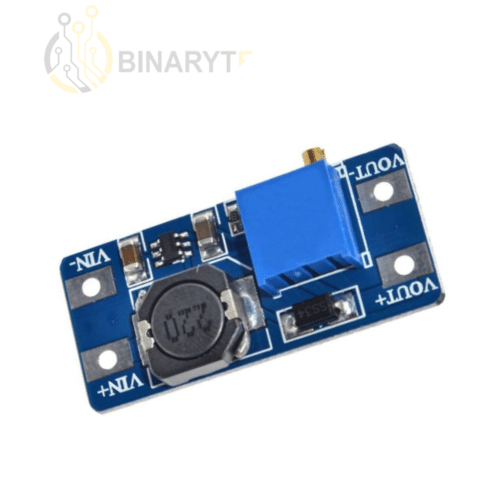
DC-DC step-down (buck) and step-up (boost) converters, as ready-to-wire modules or SMD circuits, to match a DC voltage to your circuit: LM2596, XL6009, MT3608, AMS1117.

4OE6344473
9Y2XY41345
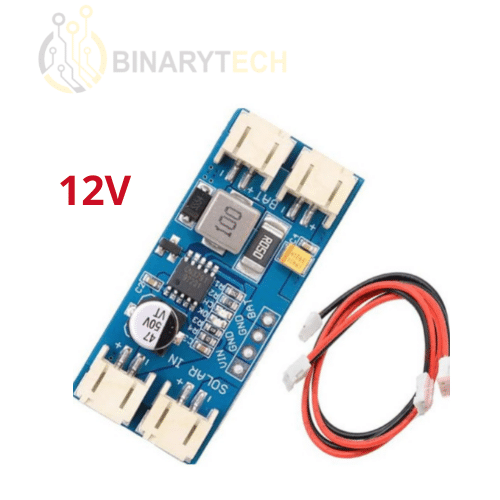
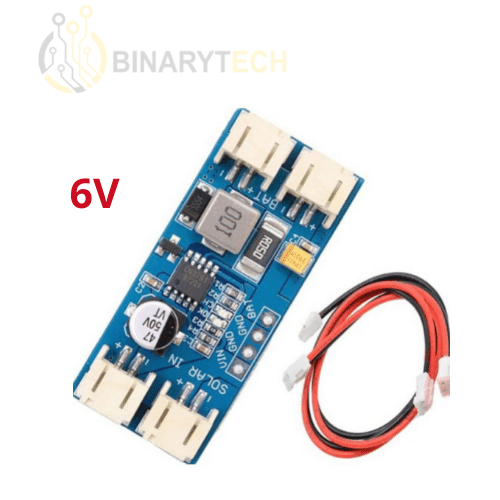
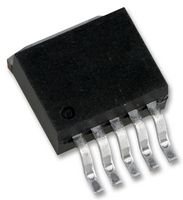
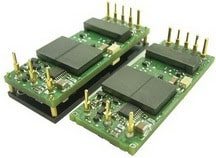
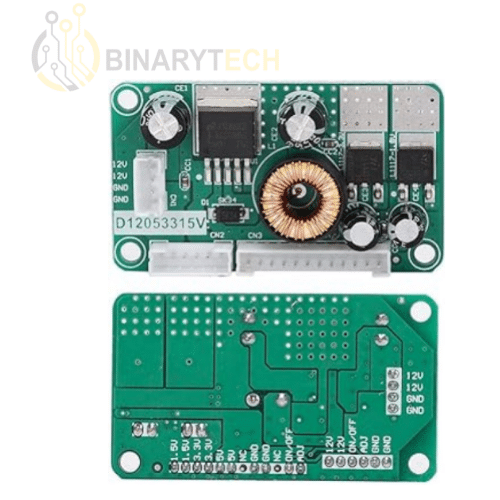
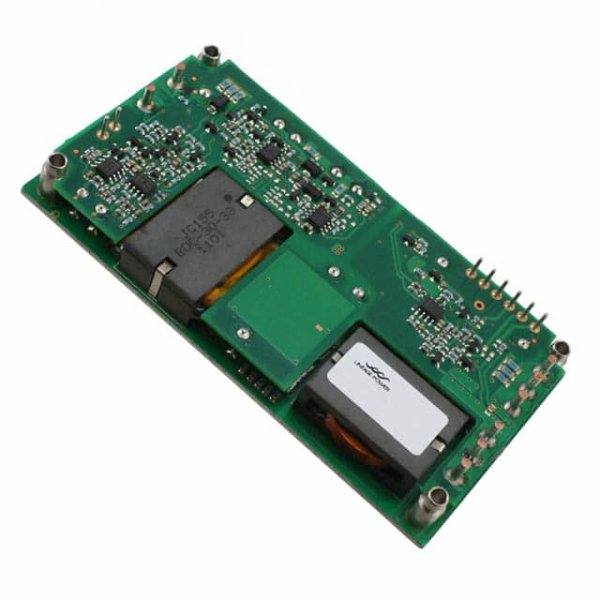
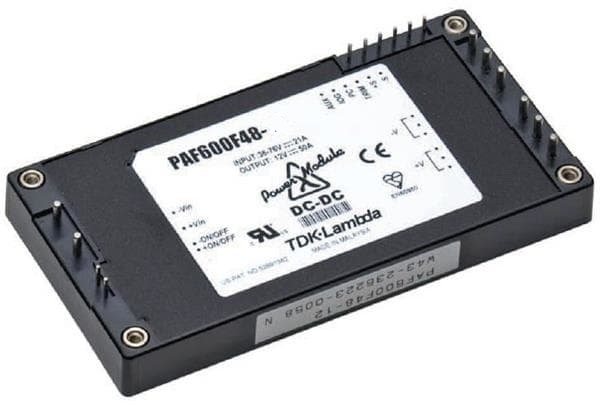
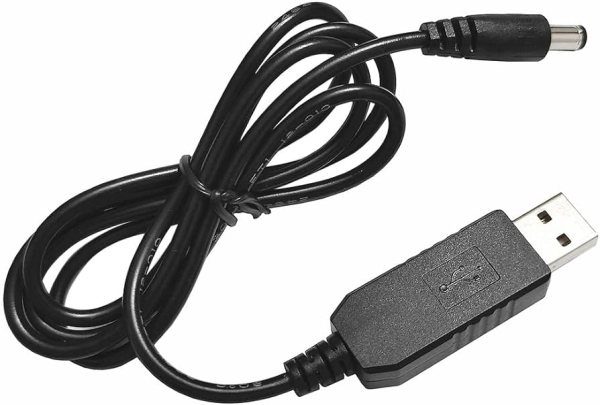
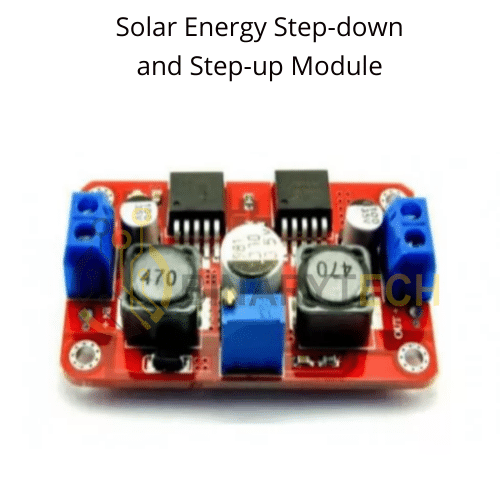
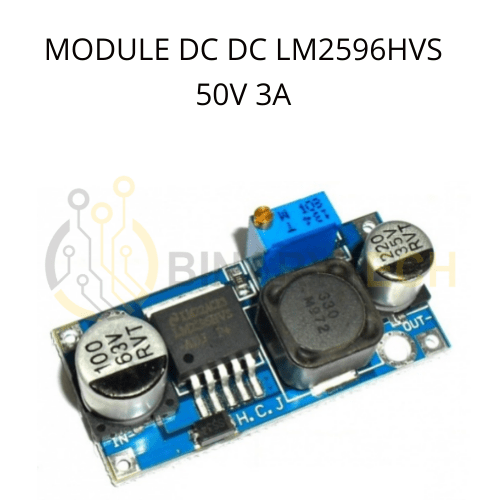
A DC-DC converter transforms one DC voltage into another. Three questions are usually enough: the voltage available at the input, the voltage wanted at the output, and the current drawn by the load. If the output is lower than the input, you need a step-down (buck) type such as LM2596, XL4015 or MINI 360 (MP2307). If it is higher, a step-up (boost) type such as MT3608 or XL6009. For a battery whose voltage goes above and then below the output, a buck-boost module (XL6009 + LM2596S) avoids any cutoff.
For transformer-based power supplies and mains adapters, see the Transformers category.
The buck (step-down) gives an output voltage lower than the input, for example 12 V to 5 V. The boost (step-up) does the opposite, for example 3.7 V to 12 V. Neither creates energy: in boost mode, the input current is higher than the output current.
A step-down set to 5 V is suitable, such as an LM2596 or a MINI 360 based on an MP2307. Set the no-load output voltage before connecting the board, and take into account the current of the Wi-Fi module if you are using an ESP32.
Either it is working too close to its maximum current, or the gap between input and output is large. Choose a model with current headroom, add a heatsink or a bit of airflow, and prefer a switching module over a linear regulator for large voltage gaps.
For a few hundred milliamps at 3.3 V or 5 V, yes, and it is simpler and less noisy. Beyond that, efficiency drops sharply because the entire voltage difference is turned into heat; a switching module is then preferable.
The allowable current, the input voltage range, the presence of a display or galvanic isolation, and the manufacturer of the chip. A generic LM2596-based module is not comparable to an isolated industrial module.