
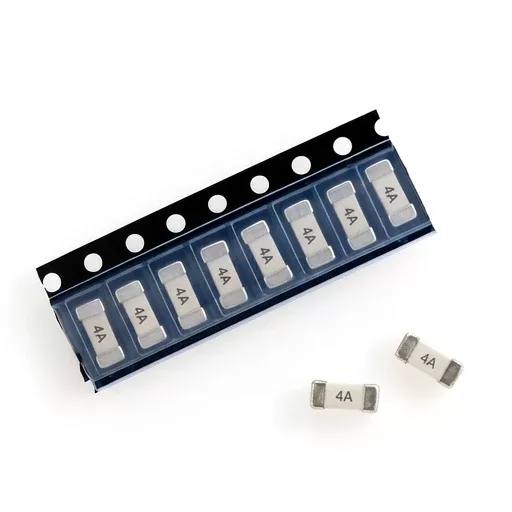
New
P2026111128
SMD Fuse 1808 - 4A
DZD 50.00
124 results
Glass or ceramic 5x20 mm fuses, solderable 6.3x10 mm and TR5 models, thermal fuses and fuse holders to protect a power supply, a board or a device under repair.
P2026111128
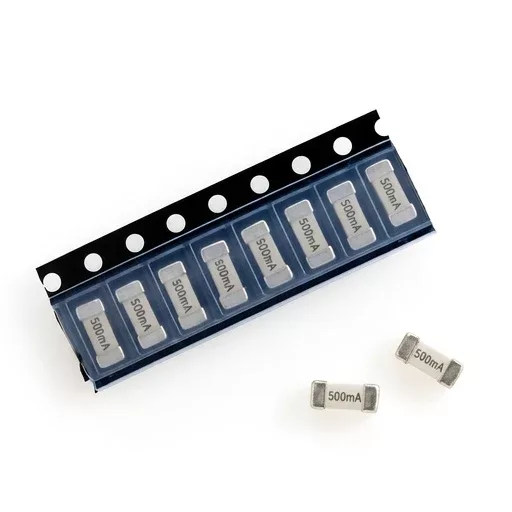
P2026111121
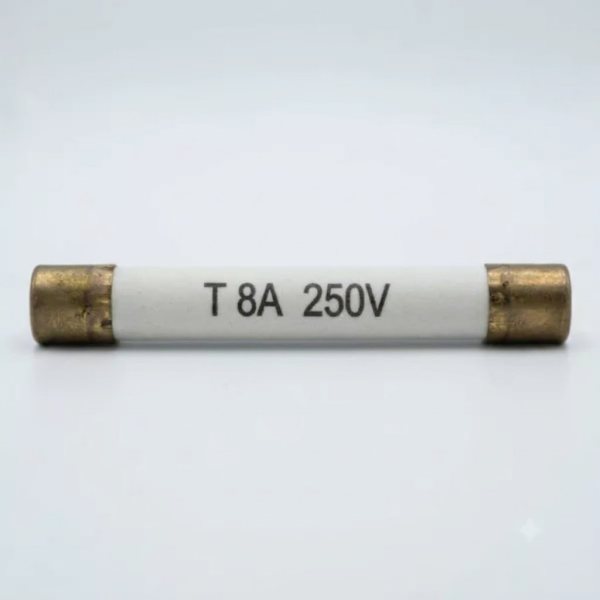
P2026111032
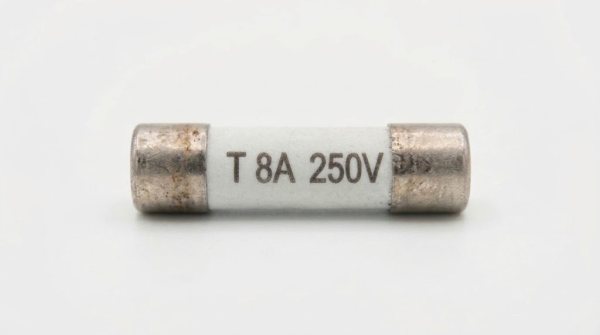
P2026111031
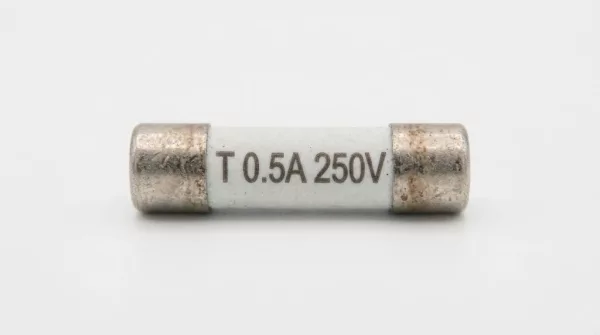
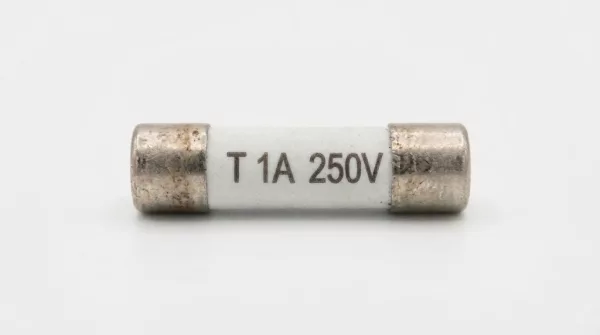
P2026100960
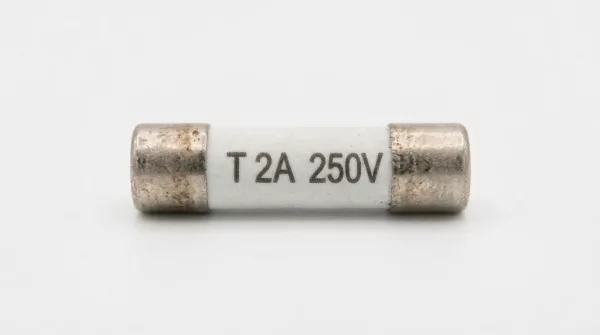
P2026100959
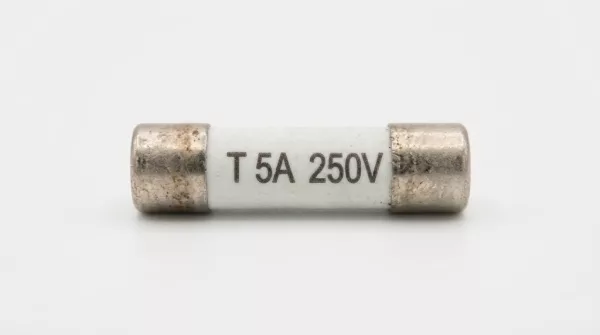
P2026100958
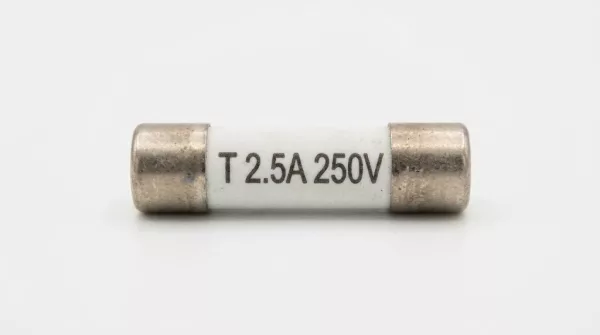
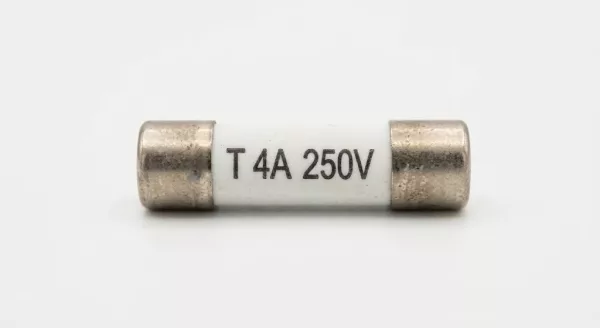
P2026100956
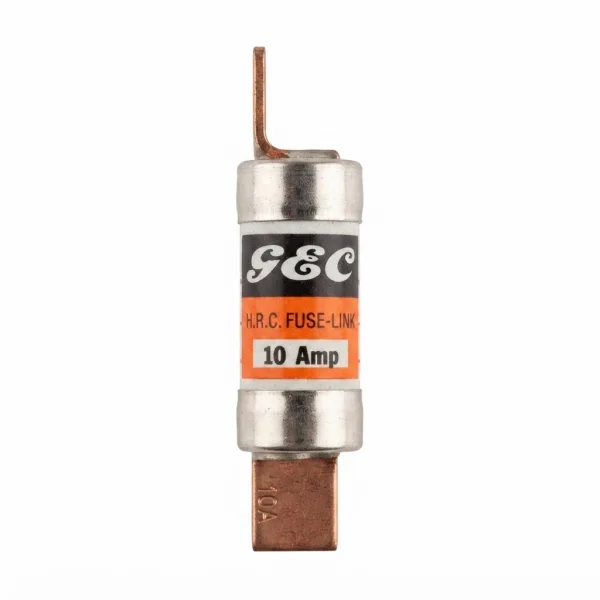
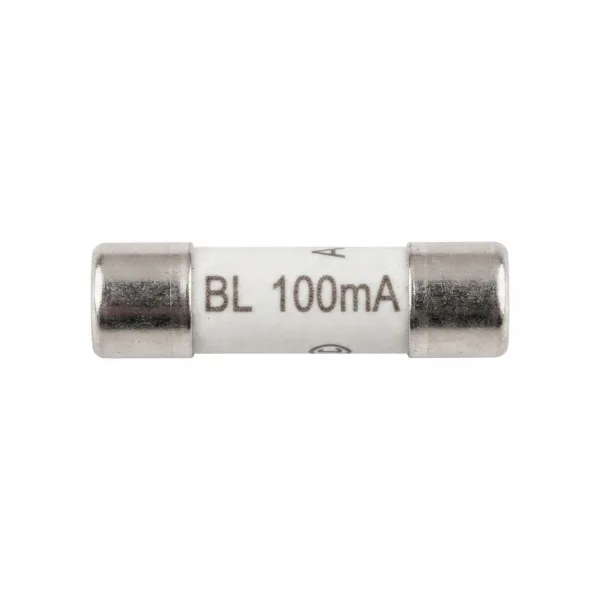
P2026080600
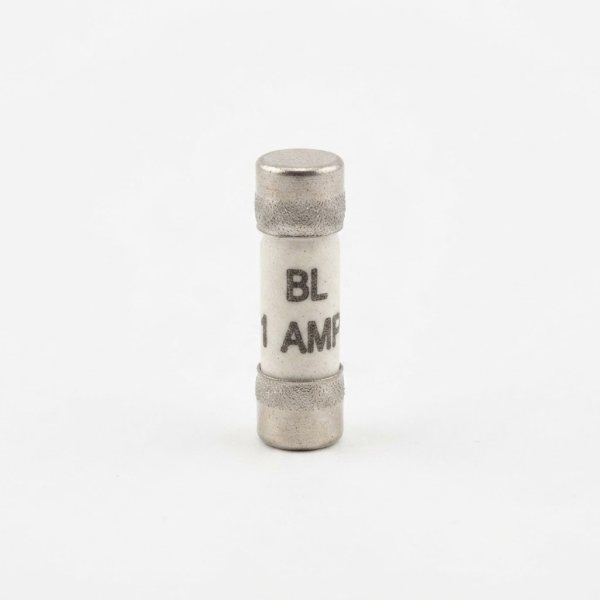
P2026080566
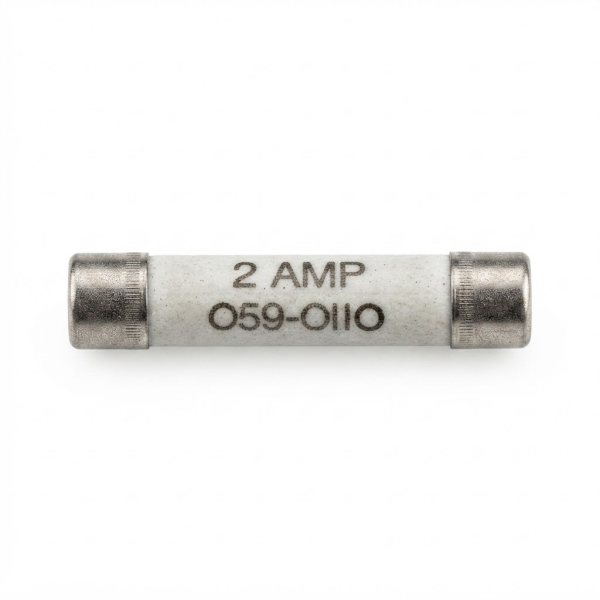
P2026080565
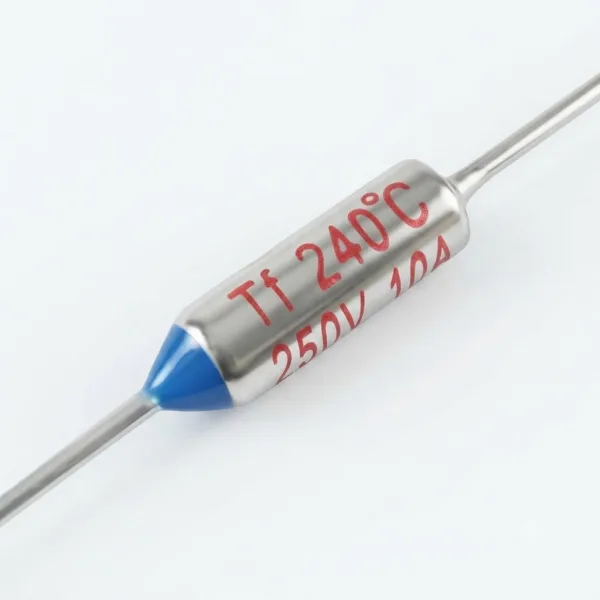
P2026070404
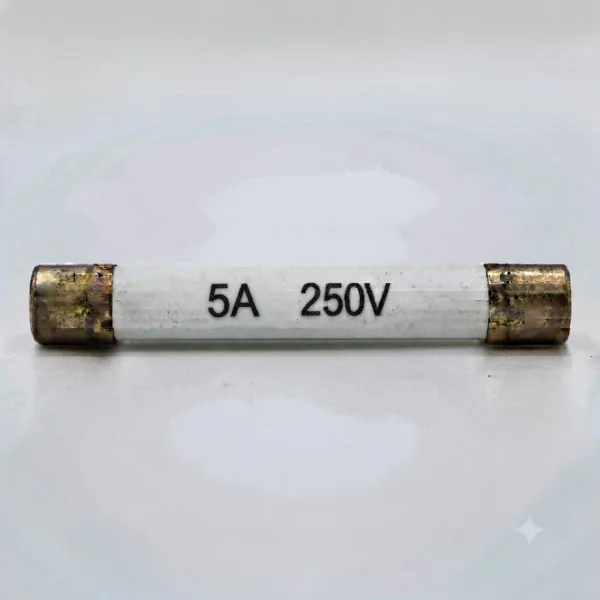
P2026070399
A fuse is chosen on three points: the format, the rating and the blow speed. The most common format in electronics is 5x20 mm, found in power supplies, chargers and most household devices. For boards where the fuse is soldered directly, the 6.3x10 mm versions or the TR5 plastic housings are used. The BLX-A 20x5 mm fuse holder, the solderable metal model or the wire-lead version allow the fuse to be replaced without desoldering.
If the new fuse blows immediately, this points to a fault downstream — diode bridge, MOSFET or short-circuited capacitor — which must be found before powering the device again. For heat dissipation of associated power components, see the category Heat sinks and fuses.
The glass body lets you see whether the filament is broken, which makes diagnosis easier. The ceramic body, filled with sand, extinguishes the electric arc better and withstands a higher breaking capacity, which makes it preferable on mains power and heavy loads.
The T indicates a time-delay (slow blow) fuse: it tolerates a brief overcurrent without melting. It is used where there is a surge current at startup, for example after a transformer. An F indicates a fast model instead.
No. The rating is calculated for the circuit it protects; a higher rating lets through a current that the traces and components cannot withstand. Always replace with the same value, the same format and the same type.
It cuts the circuit when the temperature exceeds a fixed threshold, for example 142 °C or 240 °C. It is found attached against a heating element or a transformer winding, and is chosen according to the temperature marked on the original.
The format, the body material, the breaking capacity and the brand account for the difference. A branded ceramic fuse certified for a high breaking current is not comparable to a standard glass fuse intended for a small circuit.