
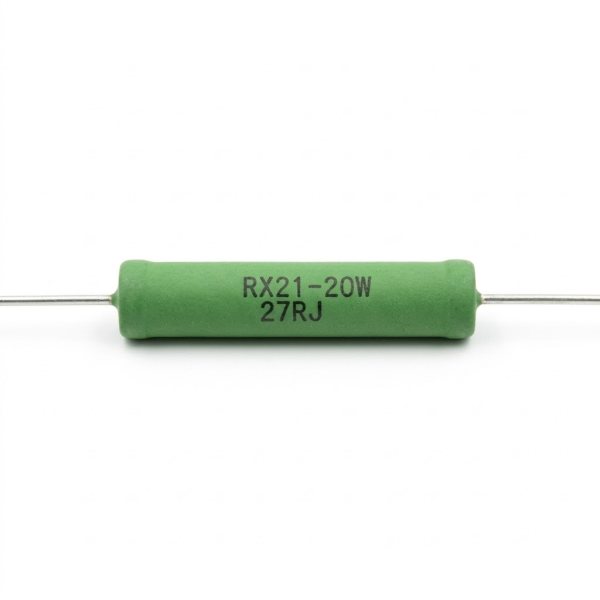
New
P2026111016
Wirewound Power Resistor 27R 20W 5%
DZD 380.00
92 results
Power resistors from 3 W to 25 W: cement, wirewound and ceramic resistors, for dissipating heat in power supplies, amplifiers and test loads.
P2026111016
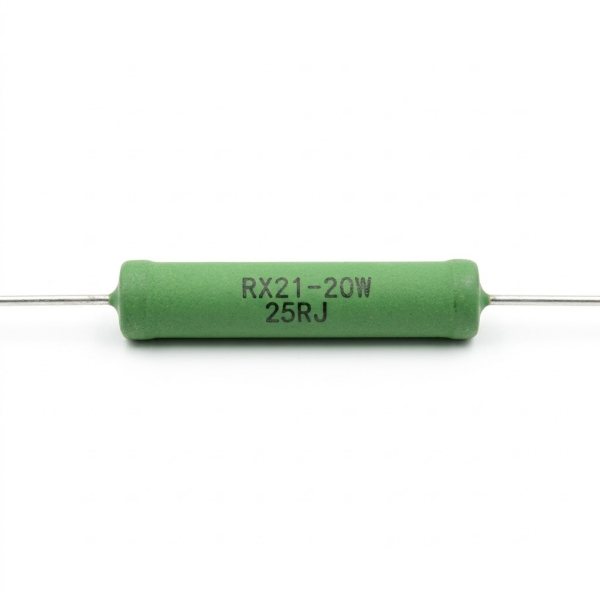
P2026111015
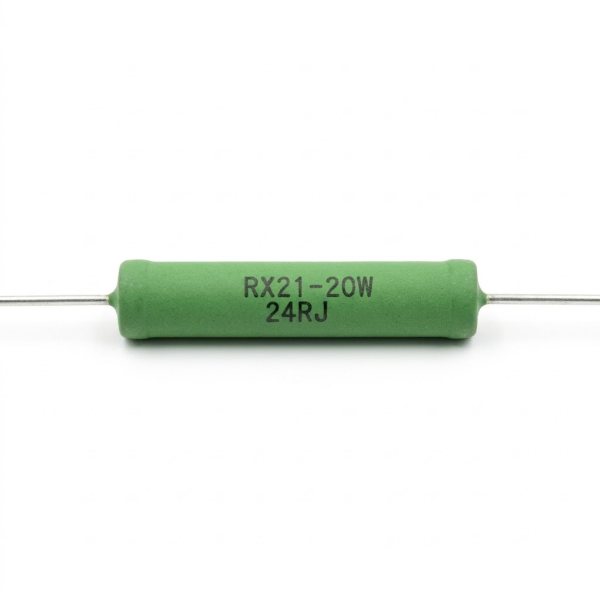
P2026111014
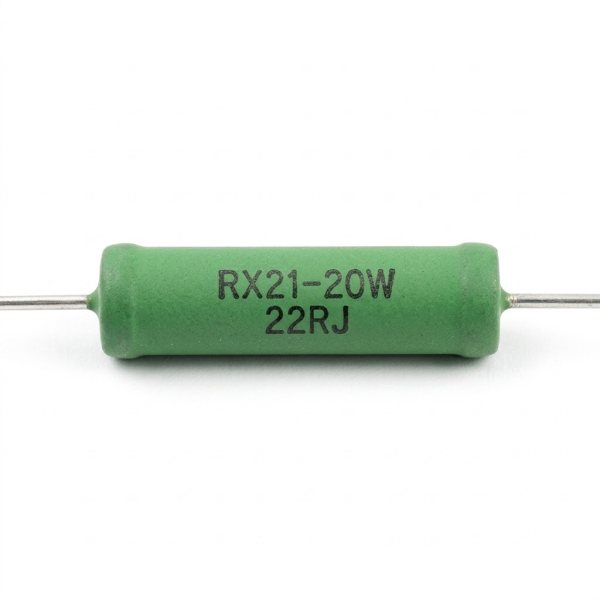
P2026111013
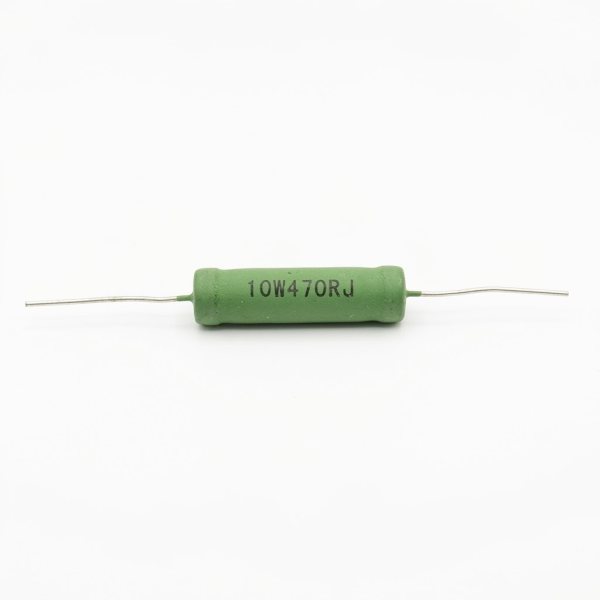
P2026100950
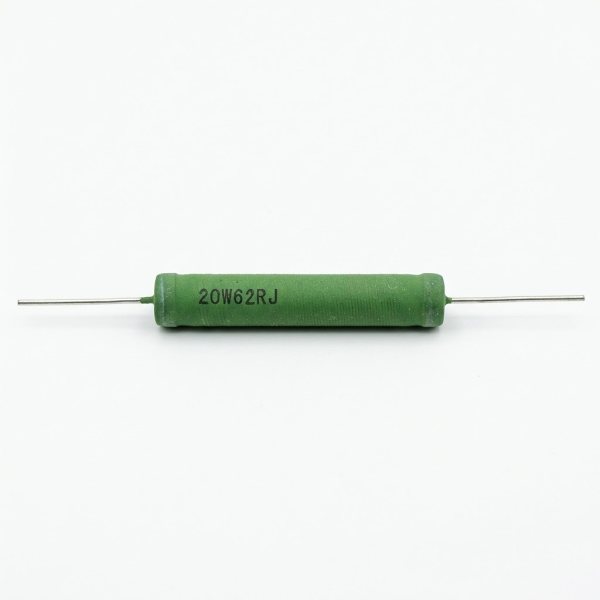
P2026100876
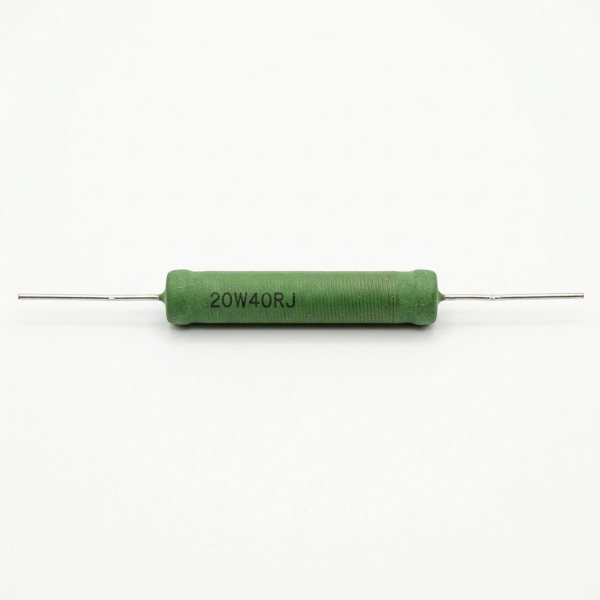
P2026100875
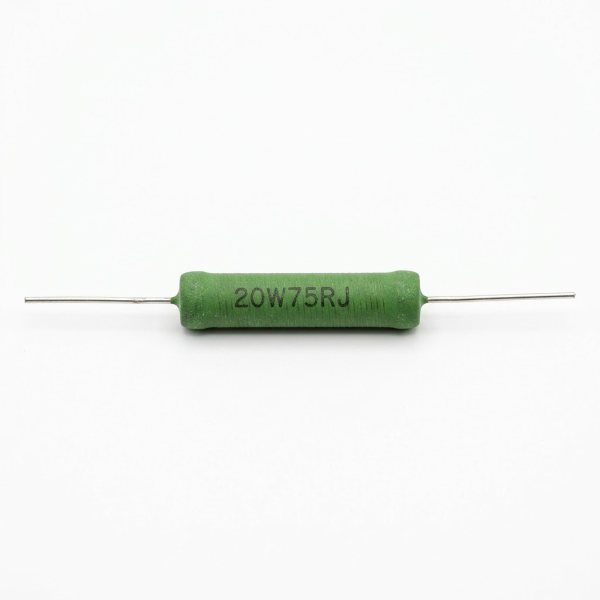
P2026100874
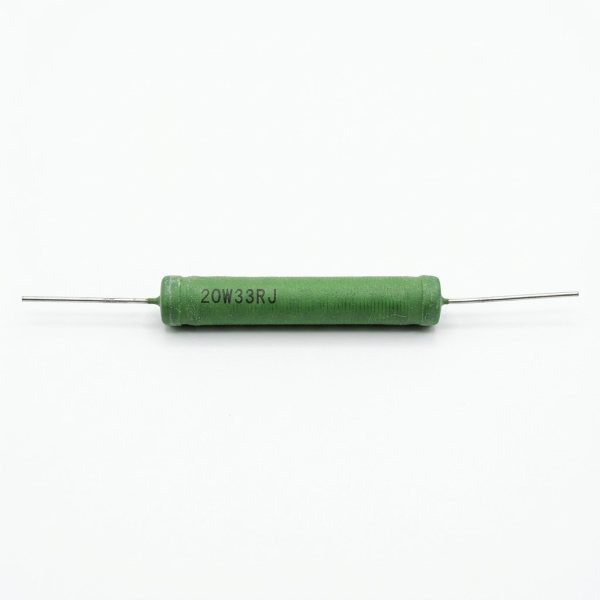
P2026100873
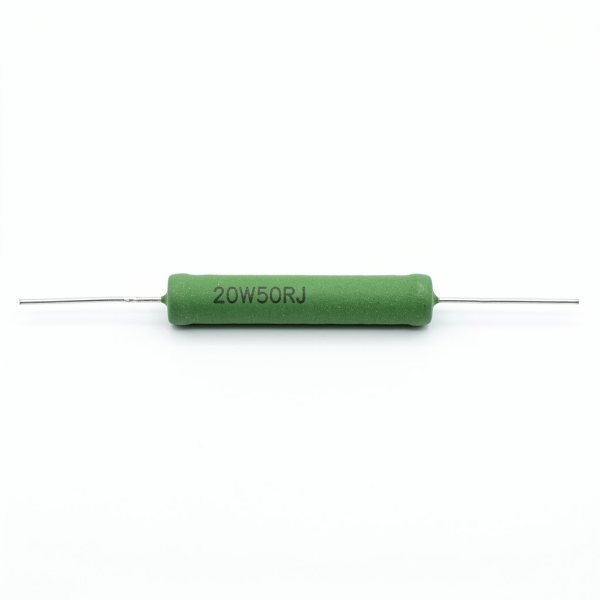
P2026100872
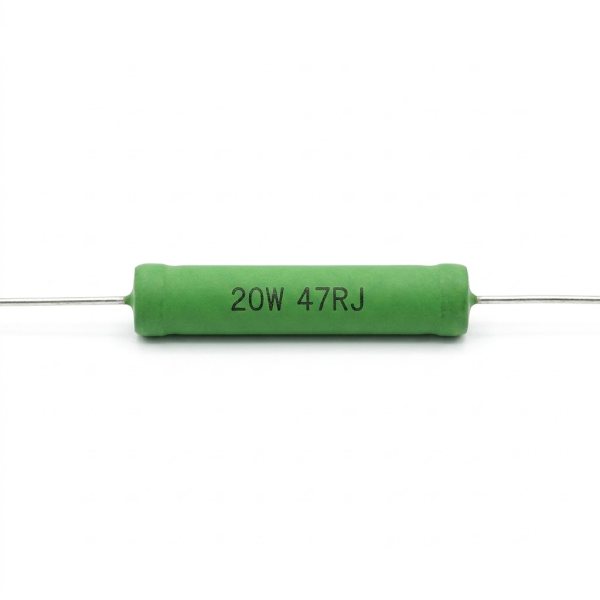
P2026090806
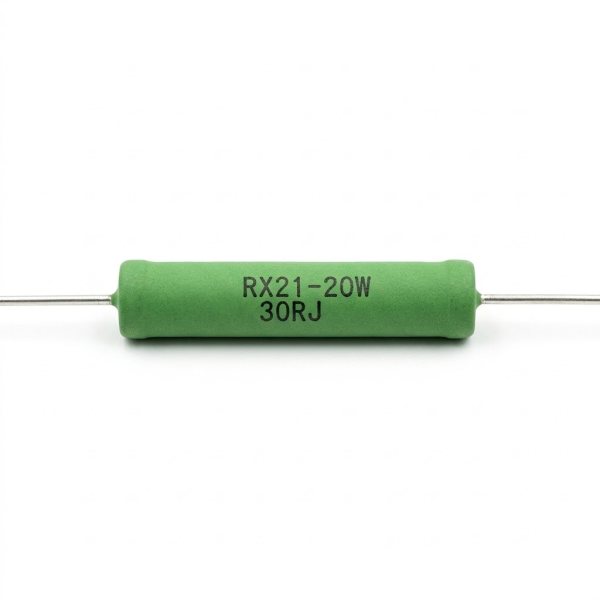
P2026090805
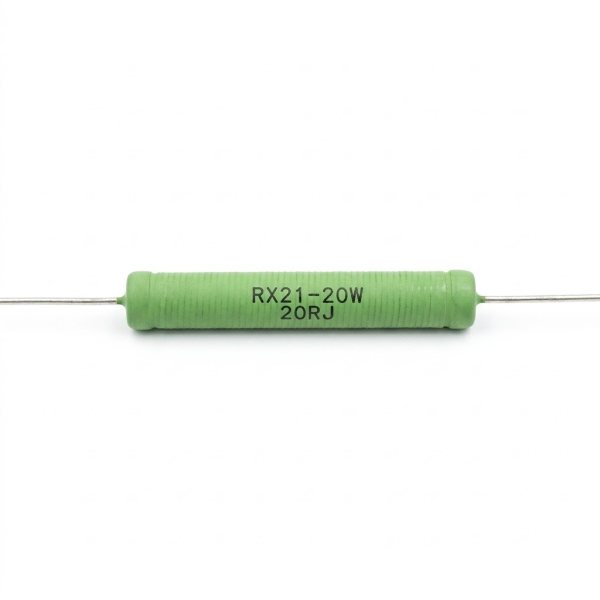
P2026090804
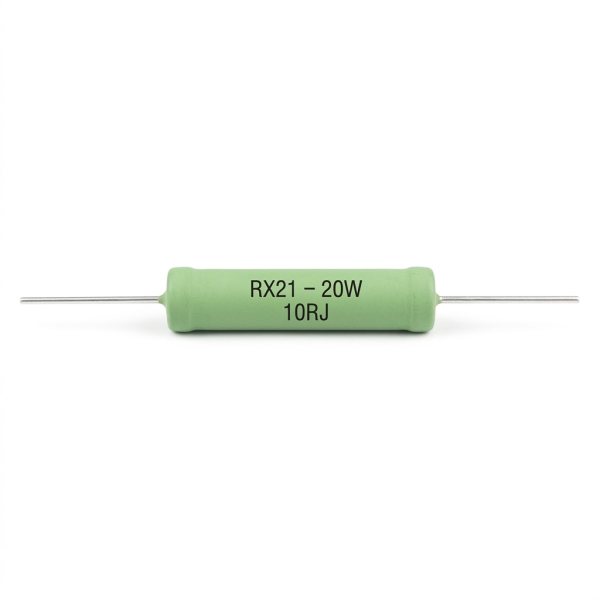
P2026090803
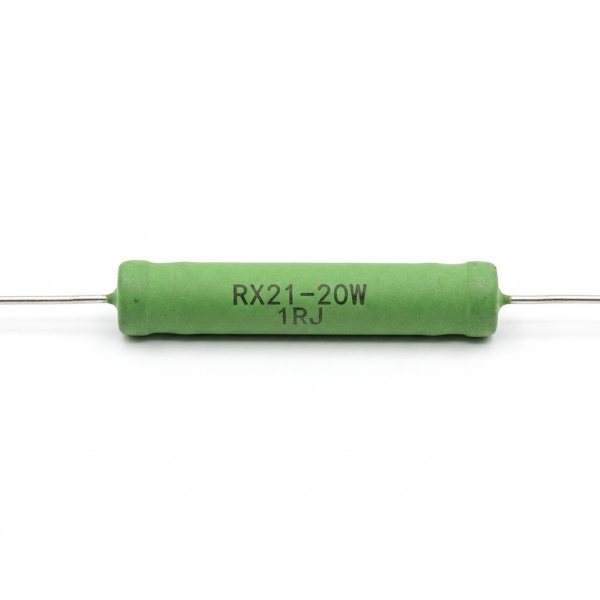
P2026090802
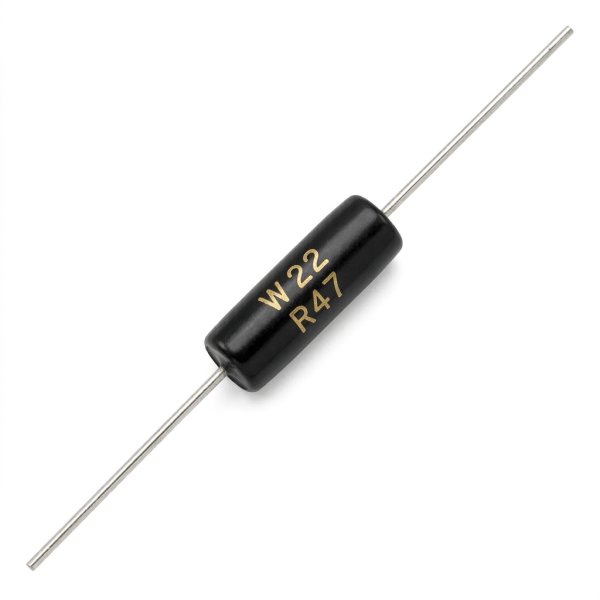
P2026090707
A power resistor is chosen on three points: the value in ohms, the power dissipated in watts and the tolerance. The stated power (3W, 5W, 7W, 10W, 12W, 20W…) corresponds to dissipation in free air: in practice, allow a margin of twice the calculated power, especially in an enclosed case or near other heat-generating components. Ohm's law gives the actual power from the current and the voltage across the terminals.
The families available differ in their construction:
For current-sensing shunts (0R68, 1R, R47), favor a tight tolerance, of the 1% type, as the error directly affects the reading. Wirewound resistors are inductive and are poorly suited to very high frequency. If a value is missing, the series-parallel calculation allows composing it, with the power then shared between the elements. For small signal values, see the Resistors category.
The cement type is a compact, molded rectangular block, for moderate dissipation on a board. The wirewound resistor in a ceramic body better withstands current spikes and high power, but it is bulkier and has parasitic inductance.
Calculate the power with P = U×I or P = R×I², then choose at least double that as the rated value. A 5W resistor actually dissipating 4 W becomes very hot and drifts in value; a 10W used for the same job stays warm and lasts longer.
Yes, in series or in parallel with suitable values, provided each element stays within its own limit. Two identical resistors in parallel give half the value and double the admissible power.
The power rating, the body size, the technology (cement, wirewound, ceramic) and especially the tolerance make the difference: a 1% metal-film type costs more than a 5% of the same value.
The letter replaces the decimal point: 0R68 is 0.68 ohm, 1K2 is 1,200 ohms, 2K7 is 2,700 ohms. For models with color bands, use the <a href='/tools/resistor-color-code'>color code</a>.