
New
P2026111076
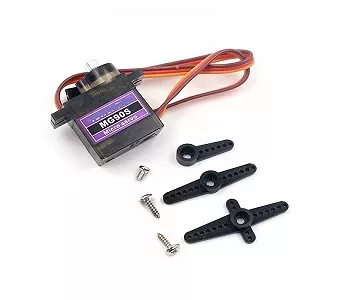
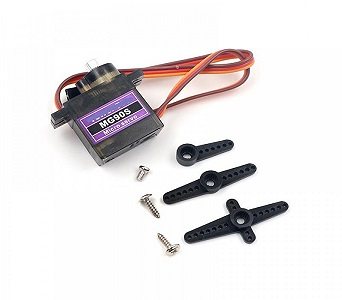
MG90S Servo Motor 360°
DZD 900.00
11 results
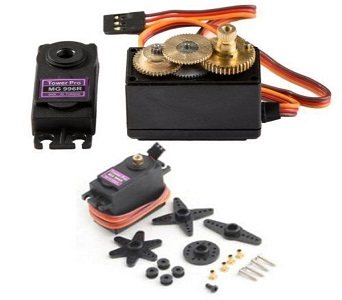
Servomotors for robotic arms, camera gimbals and models: from the micro SG90 9g to metal-gear models like the MG996R, with drivers and tester.
P2026111076

P2026060089
ZMD6834277
TKNLP12552
4HBWI26173
51AHO26177
MNHOS12994
A9JE712249
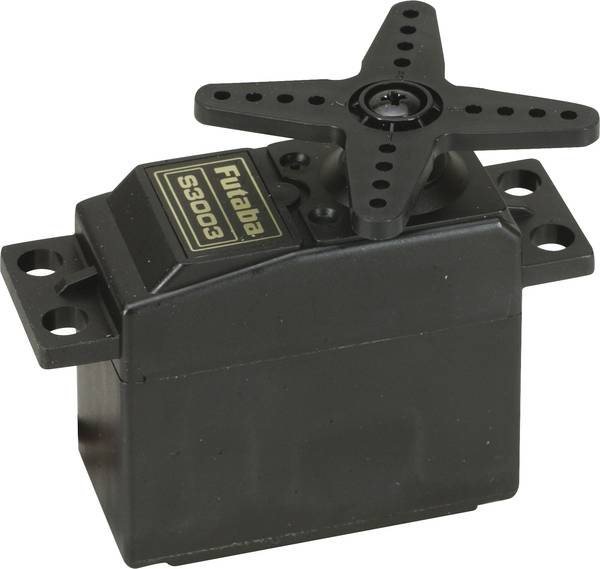
A servomotor is controlled by a PWM signal: the pulse width sets the shaft position. Three points decide your choice: torque, gear type and rotation angle.
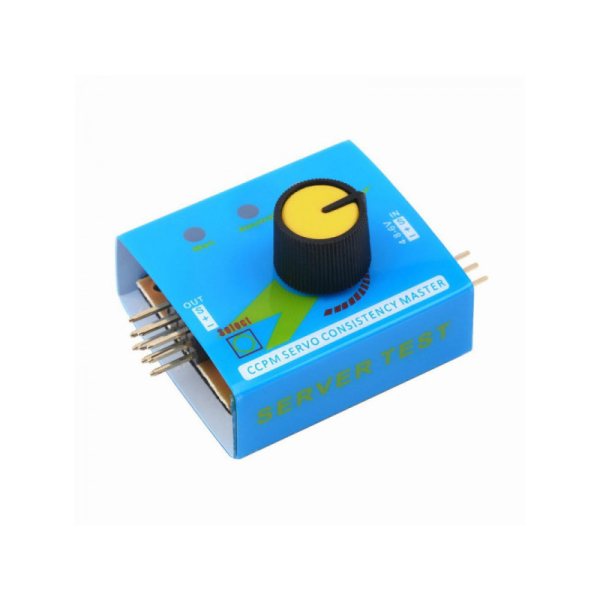
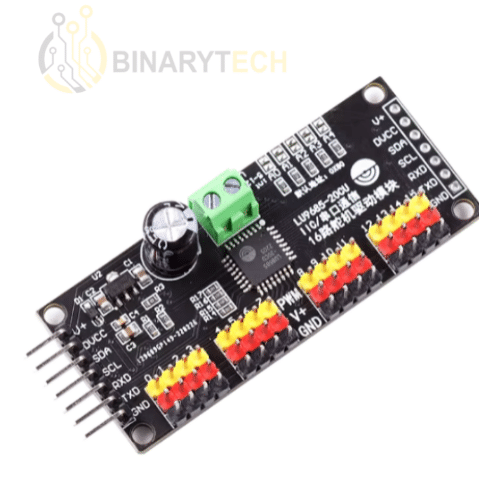
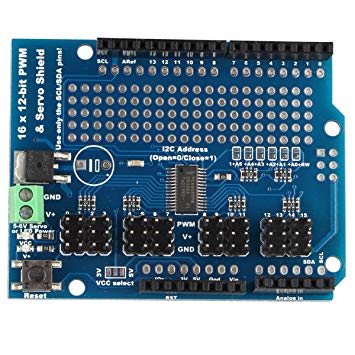
On the power side, a servo draws current spikes that a board's 5 V output cannot sustain for long: plan a separate power supply with a common ground. To drive several axes, the PCA9685 module handles 16 channels of 12-bit PWM over I2C and frees up the board's pins. The 1-channel servo tester lets you check a servo and adjust its end stops without writing a line of code. Other motion solutions (stepper, DC motors) are in Motors and actuators.
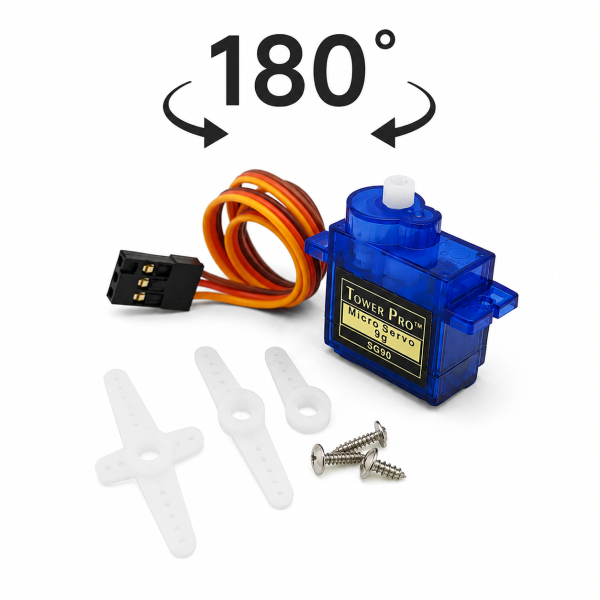
The 180° is a true position servo: you give it an angle and it holds it. The 360° is continuous rotation, the signal sets direction and speed, with no position feedback.
Both share the same form factor and footprint, but the MG90S uses metal gears and handles stress better. For a light model the SG90 is fine, for a mechanism under load prefer the MG90S.
For a single micro-servo with no load, it can work, but the startup current spike often resets the board. Use an external 5-6 V supply with the ground tied to the board's ground.
Beyond a few servos, PWM pins run out and timing becomes unstable. The PCA9685 generates 16 12-bit PWM signals on its own and only needs two I2C wires.
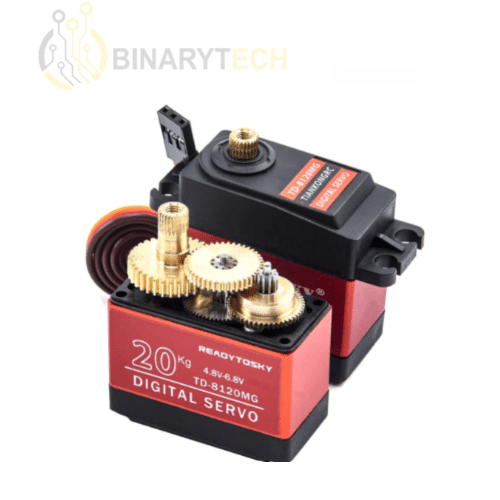
The rated torque, the gear type (plastic or metal), the weight, analog or digital electronics, and the brand. A micro-servo for models and a high-torque metal-gear servo are not in the same range.