
DZD 15,000.00
21 results
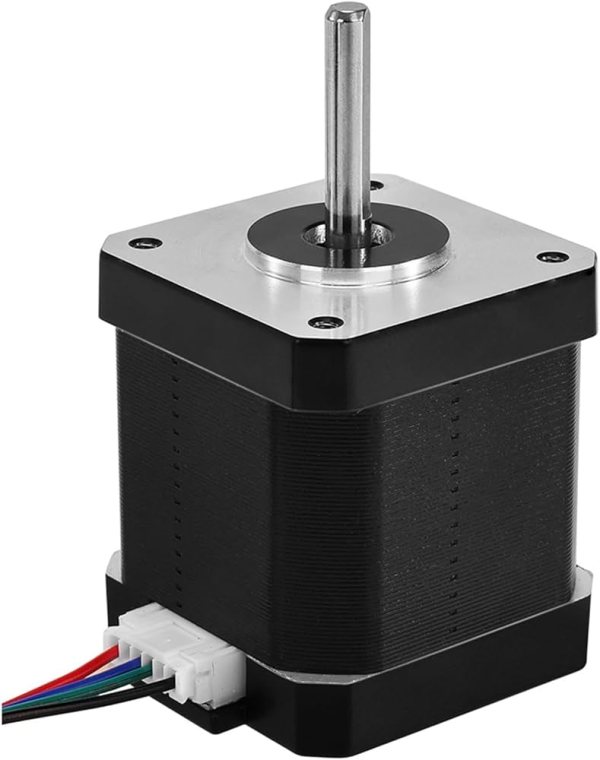
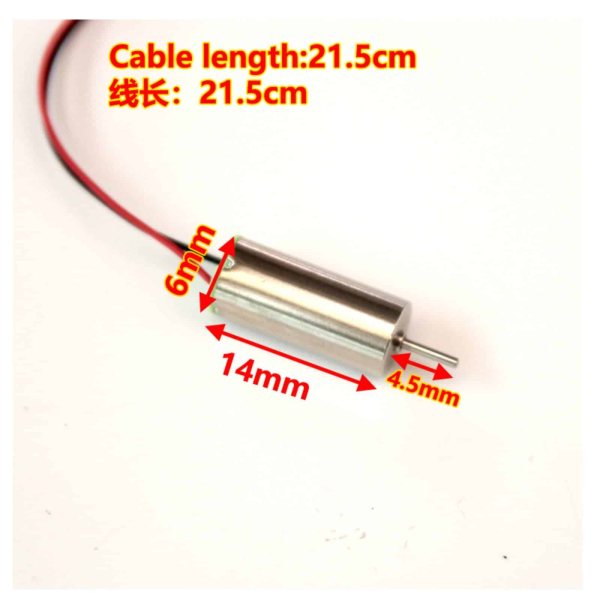
Stepper motors from NEMA 11 to NEMA 34, 28BYJ-48 units and geared DC motors, for 3D printers, CNC machines, robotic arms and Arduino builds.
U9Z1C47716
PS8ZA42718
3RYY432099-1
RMK2P25850-1
VI93U23303-1

4D54732102

3RYY432099
VOPC928691
I4J2826264
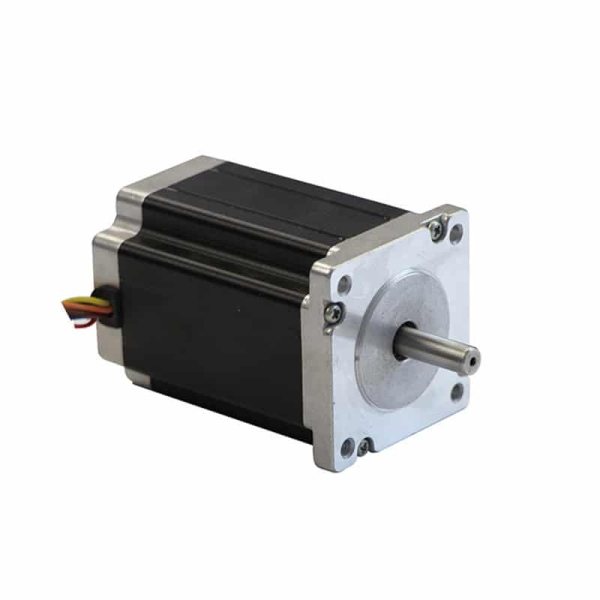
U124Q28660
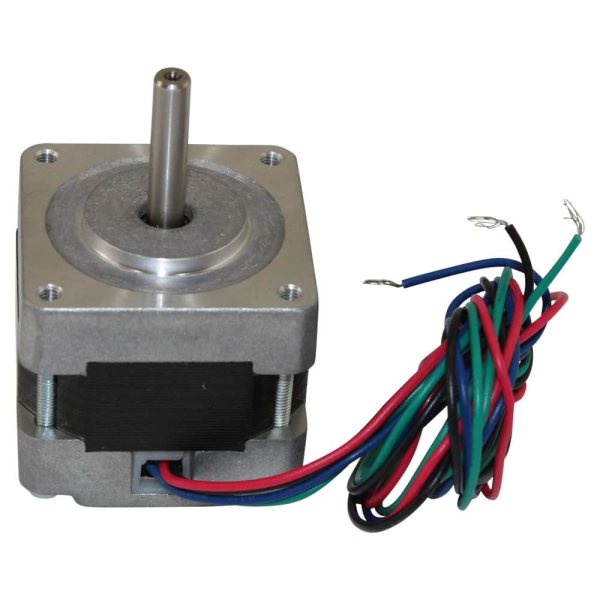
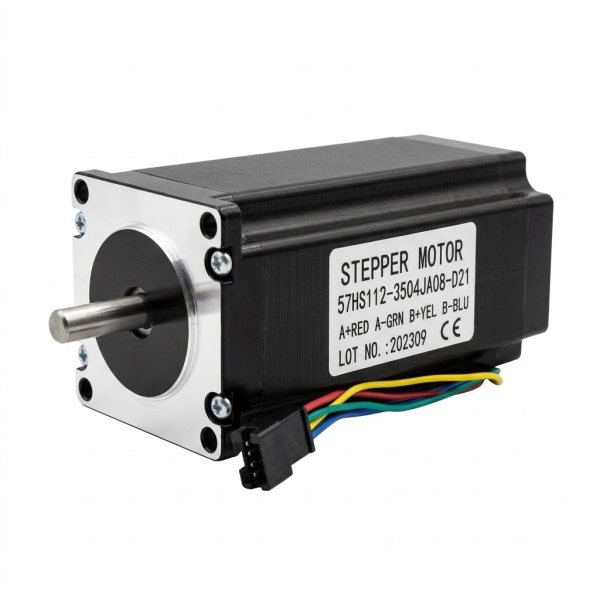
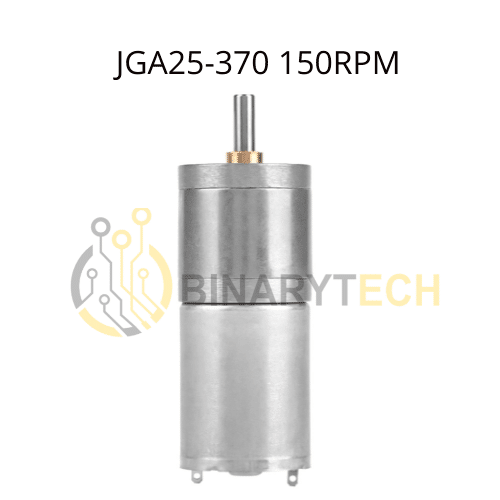
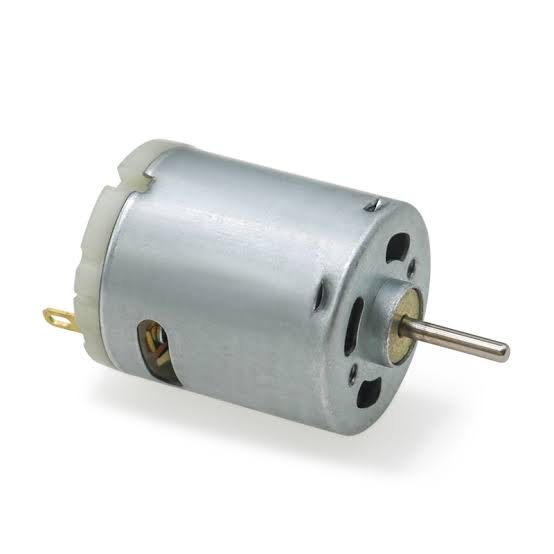
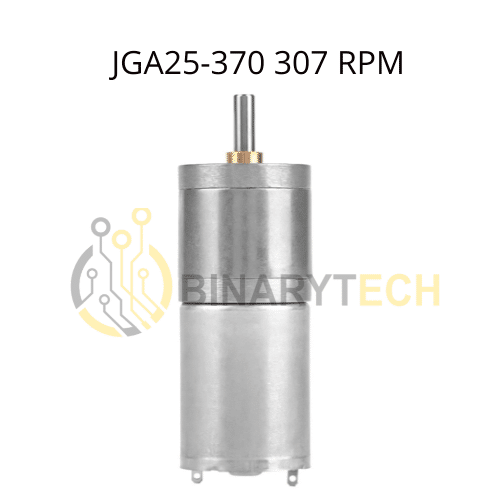
A stepper motor turns in fixed increments (most often 1.8° per step, or 200 steps per revolution), which lets you position an axis without a feedback sensor. This is what sets it apart from a standard DC motor such as the JGA25-370 geared motor, which runs continuously and is controlled by speed rather than position.
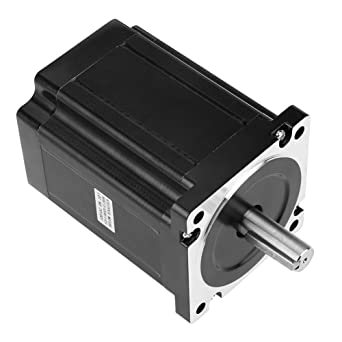
The NEMA format indicates the size of the front face, not the power. Instead, go by the torque and current per phase, which appear in the reference code:
A bipolar motor should never be connected directly to a power supply: it needs a current-limiting driver (A4988, DRV8825, TB6600 depending on the current) set to the amperage on the motor's label. Drivers and power supplies are found in Motors and actuators.
A stepper motor is controlled by a number of steps, giving precise position, and it holds its place when stopped. A geared DC motor, such as the JGA25-370, delivers torque and speed but does not know its position without an encoder.
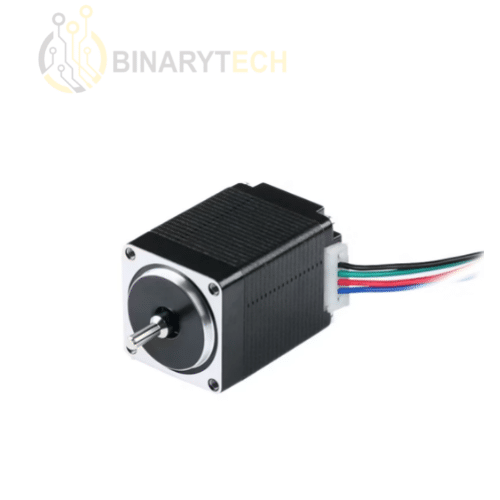
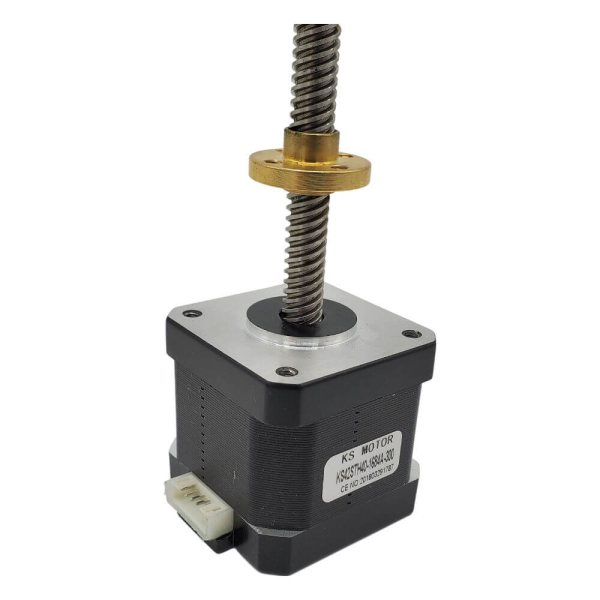
A bipolar NEMA 17 at 1.8°, with a current per phase compatible with your driver: the 42HS40-1704 or 42SHDC6033Z references fit this use. For the Z axis, a NEMA 17 with an integrated lead screw avoids the need for a coupler.
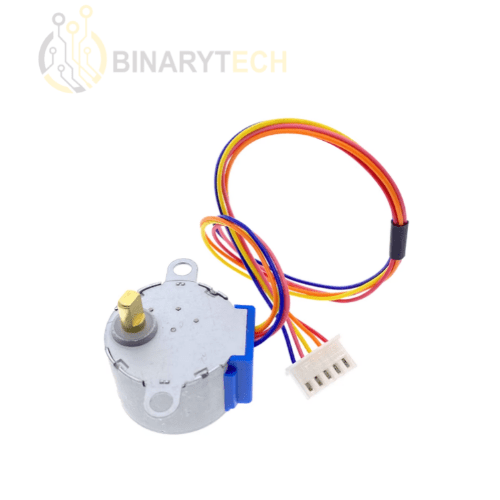
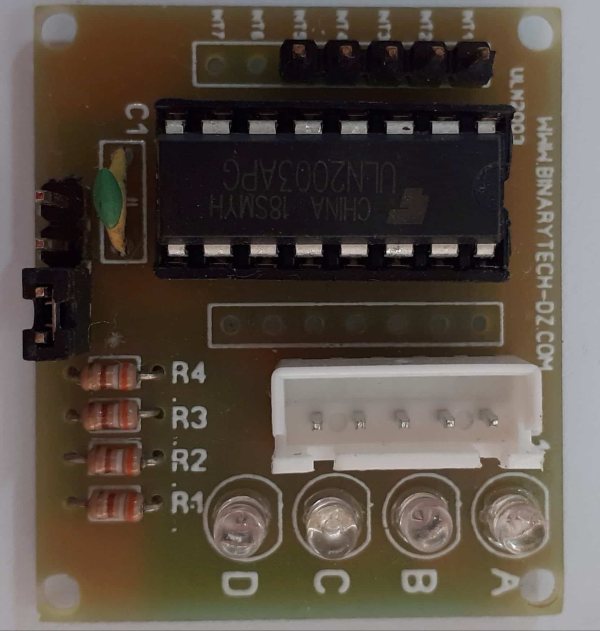
Yes, for anything light: a curtain, a small rotation, a demonstration. It runs on 5 V with a ULN2003 module, but its torque and speed remain limited compared with a NEMA 17.
For a bipolar NEMA motor, yes: the driver limits the current in the coils and manages the step sequence. Without it, the coils overheat and the motor does not turn properly.
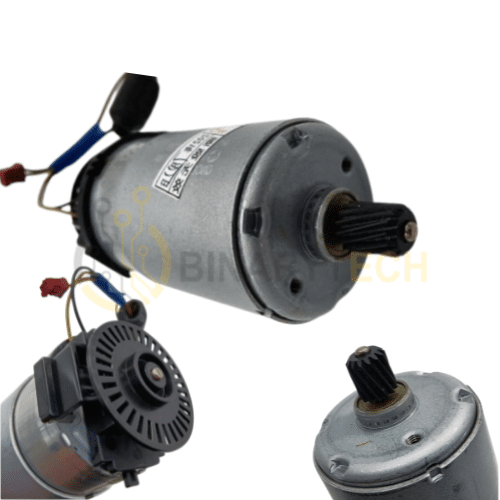
Mainly the NEMA size, torque in N.m, current per phase and body length. Used motors, salvaged from equipment, sit below new units of the same format.