
New
DZD 350.00
144 results
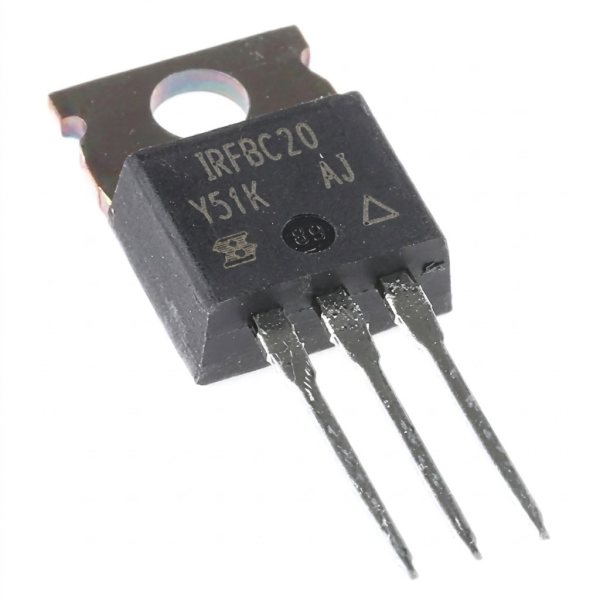
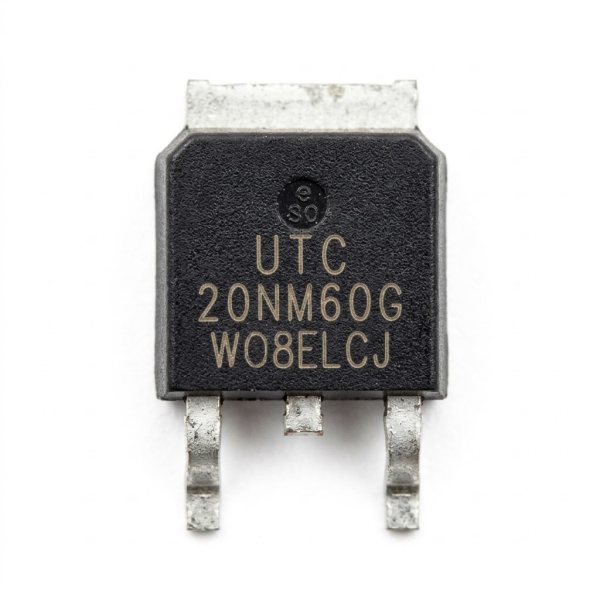
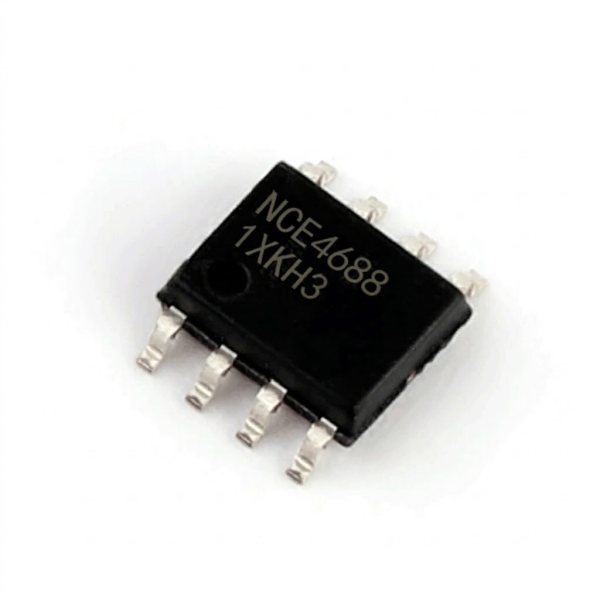
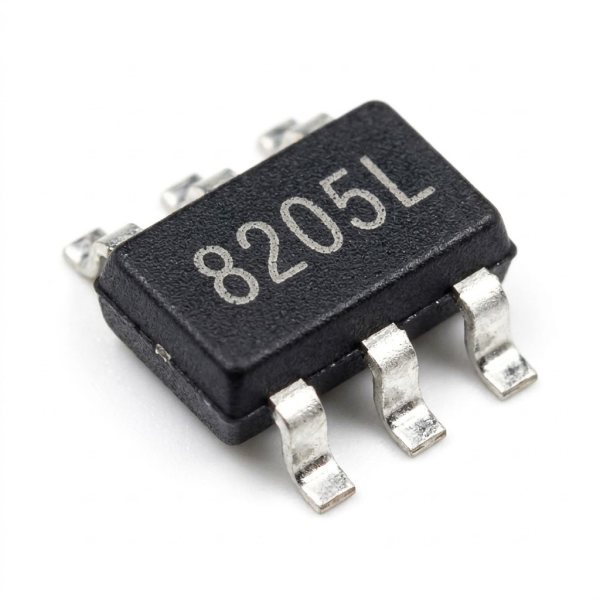
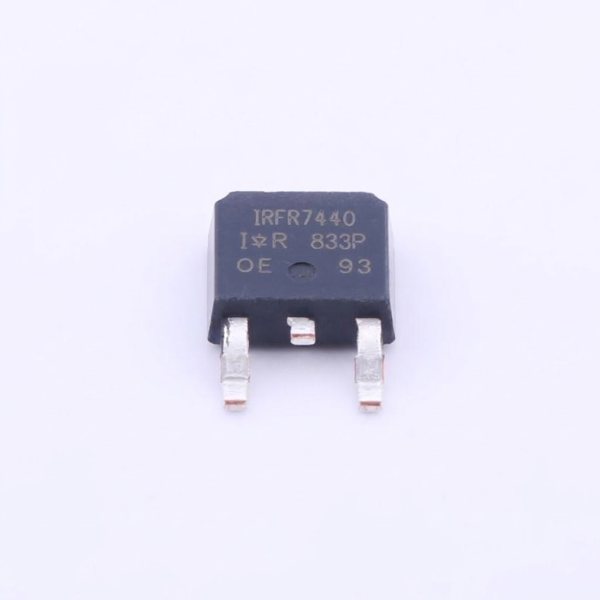
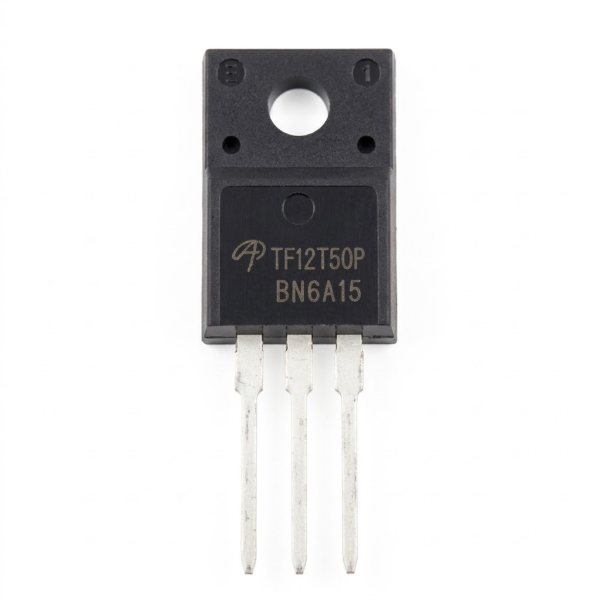
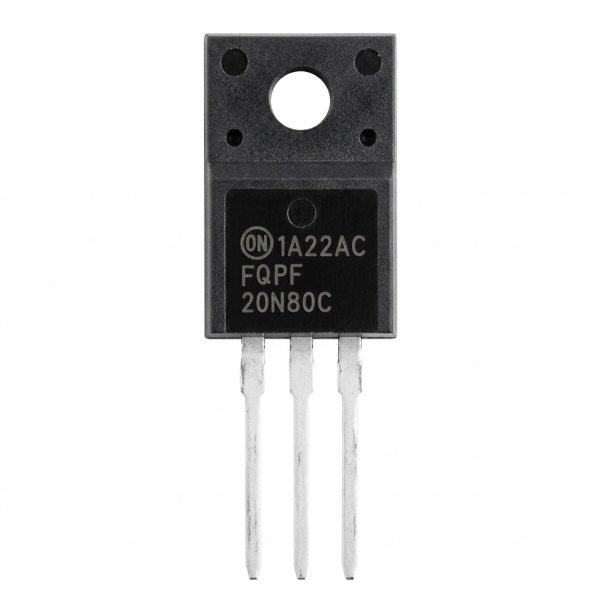
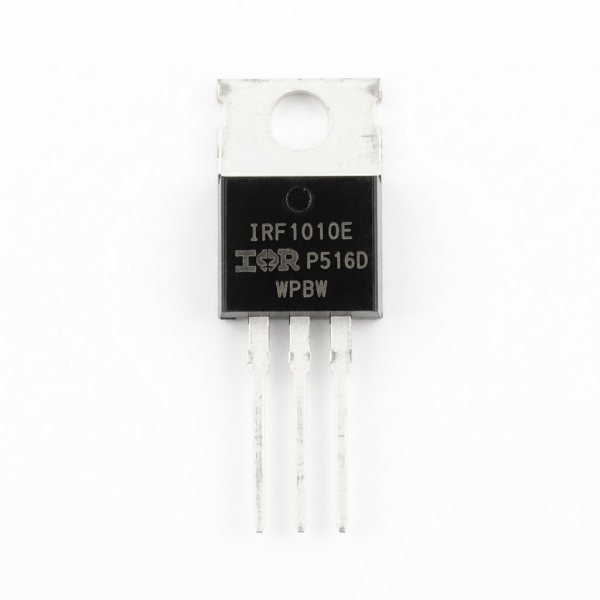
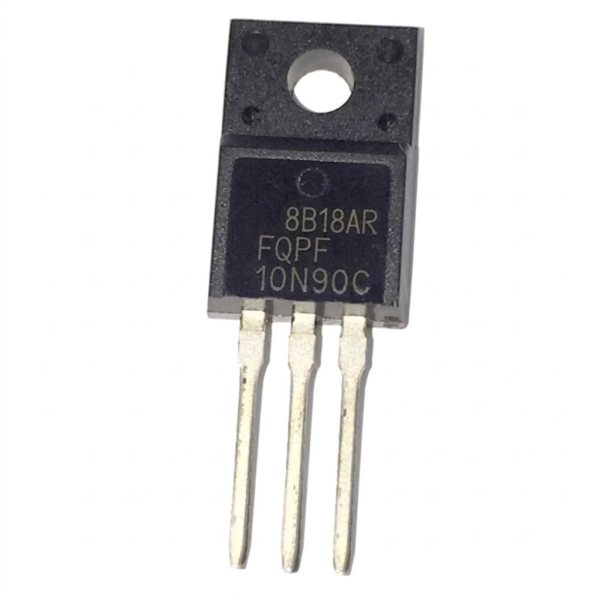
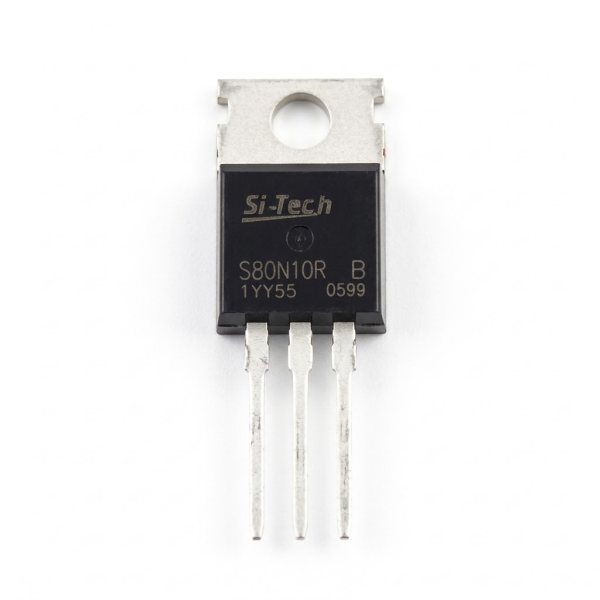
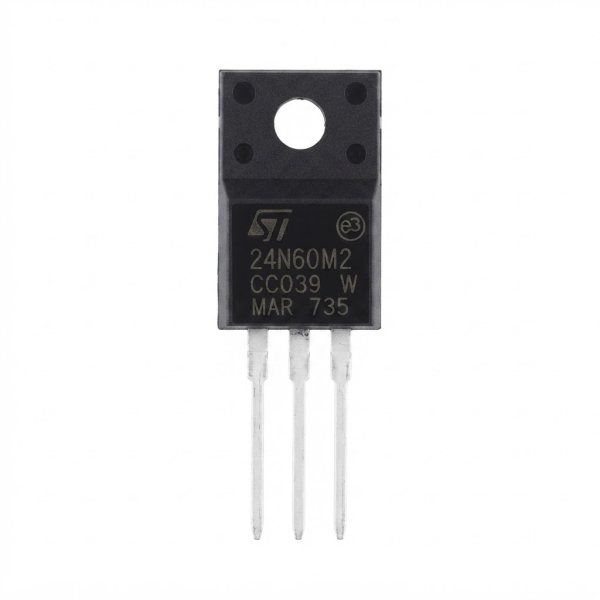
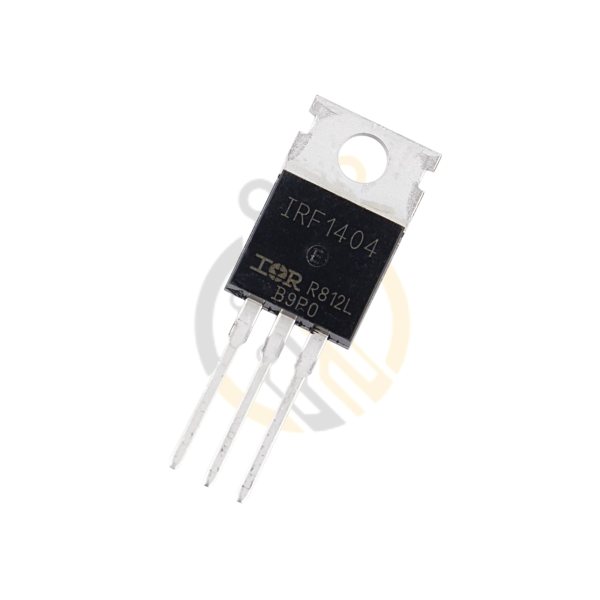
N-channel and P-channel MOSFET transistors, in through-hole TO-220, TO-247, TO-3P packages or SOT-23 SMD, for switching loads, driving motors and building switch-mode power supplies.
P2026100902
P2026100896
P2026090763

P2026090723

P2026090721
P2026090718
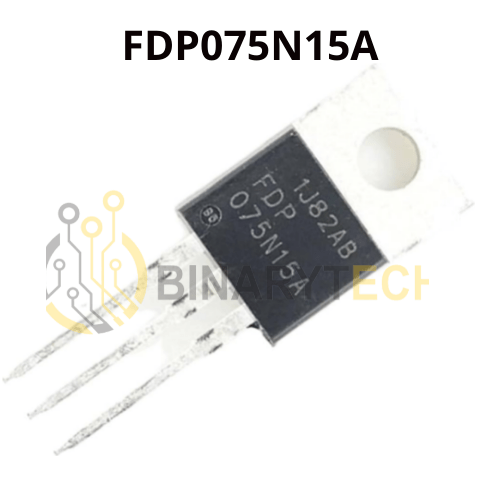
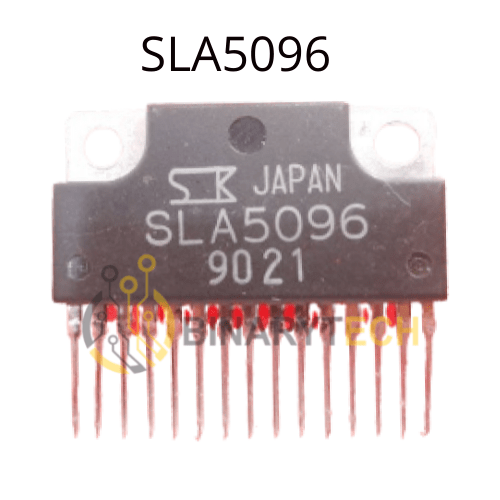
A MOSFET is controlled by voltage on the gate, not by current like a bipolar transistor: once saturated, it behaves like a low-resistance switch. Three figures decide almost everything: the maximum drain-source voltage (Vds), the drain current (Id) and the on-state resistance (Rds-on). Allow a margin of at least 1.5 to 2 times the voltage actually present in the circuit, especially with an inductive load.
Also think about cooling: beyond a few watts dissipated, a heatsink becomes necessary, and the insulated TO-220F package avoids the need for a mica washer. Other transistor families can be found in Transistors and DIAC.
The N-channel conducts when the gate is driven above the source and is generally placed on the negative side of the load (low-side); it is the most common type because its resistance is lower. The P-channel conducts when the gate is pulled below the source and is mainly used to switch the positive rail or to protect against reverse polarity.
Not really: the IRFZ44N is specified for 10 V on the gate and remains partially open at 5 V, which causes it to heat up under high current. Prefer a logic-level version such as the IRLZ44N, or add a gate driver.
This is the resistance of the MOSFET when it is conducting. Losses equal I² × Rds-on: at 20 A, going from 50 mΩ to 5 mΩ drops dissipation from 20 W to 2 W, which is why low Rds-on references are important for high currents.
Note down the original reference and match the voltage (often 600 V or more for rectified 220 V mains), the current and the package type. An equivalent reference must have a Vds and an Id at least equal, and a Rds-on and gate charge close to the original so as not to disturb the driver.
Price mainly follows breakdown voltage, Rds-on, package technology and the original manufacturer. A high-voltage, low-resistance component in a TO-247 package costs more than a small signal SOT-23 part.