
New
P2026100928
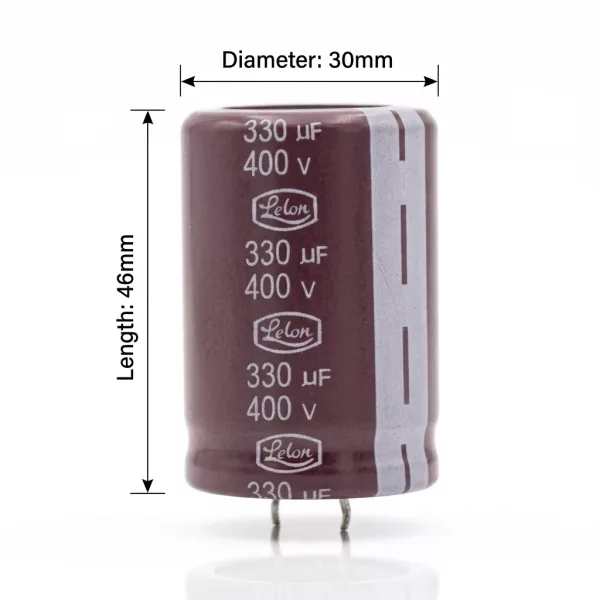
Electrolytic Capacitor 330uF - 400V
DZD 500.00
481 results
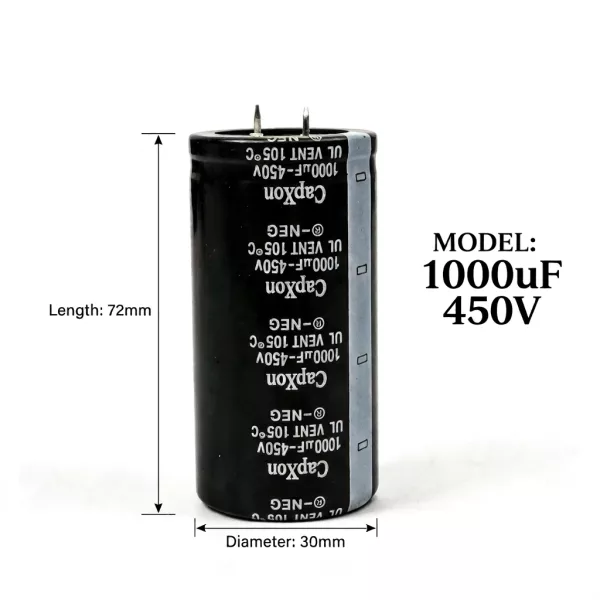
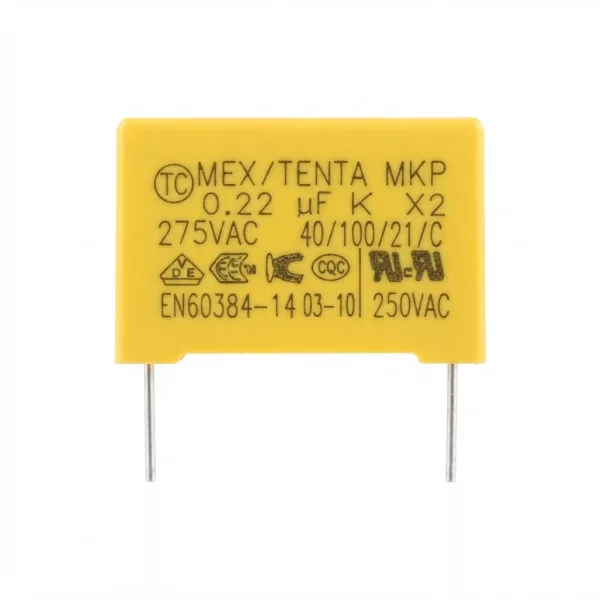
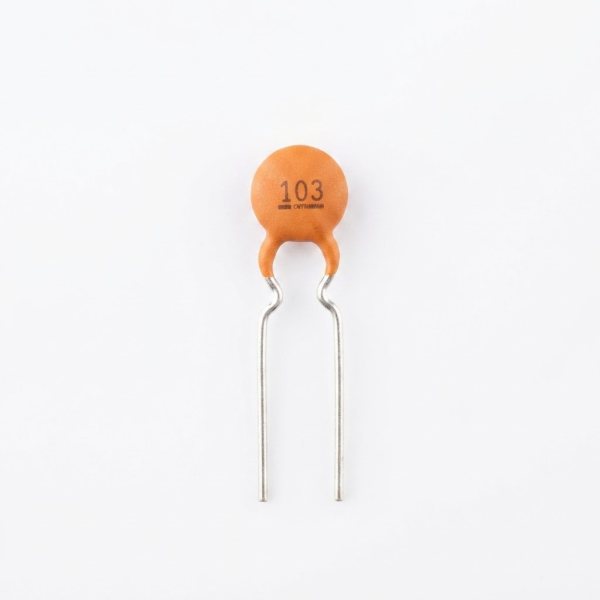
Ceramic, electrolytic, polypropylene film and SMD capacitors, plus varistors and NTC thermistors, for board repair, power supplies and your electronic projects.
P2026100928
P2026080632
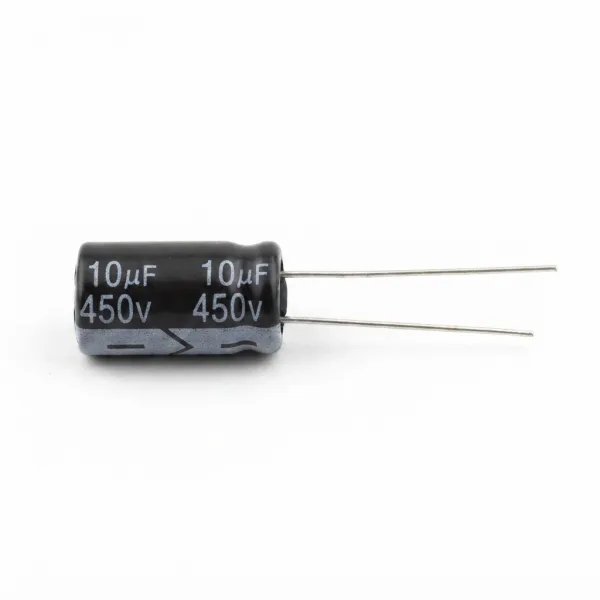
P2026080594
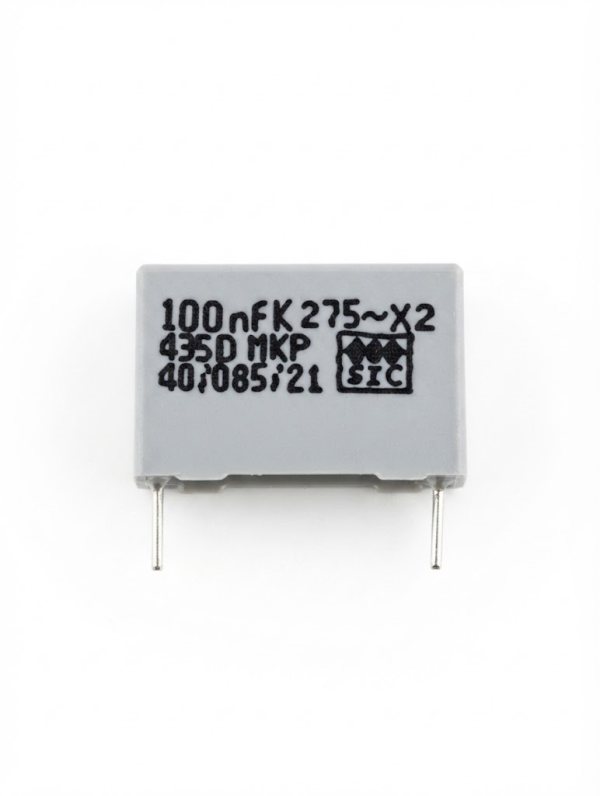
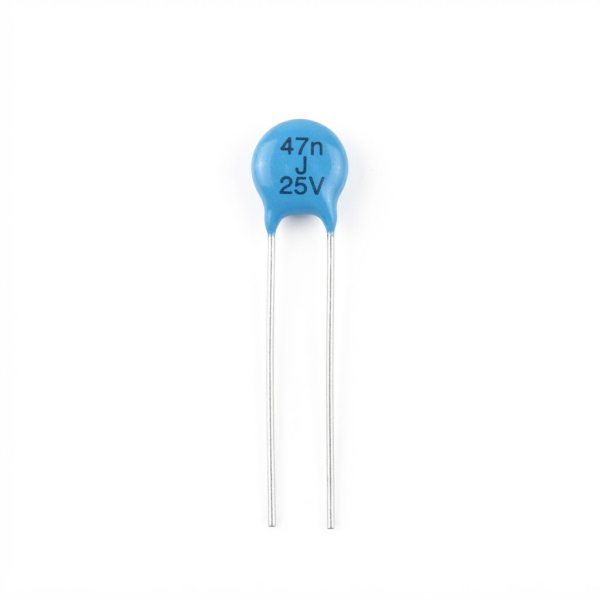
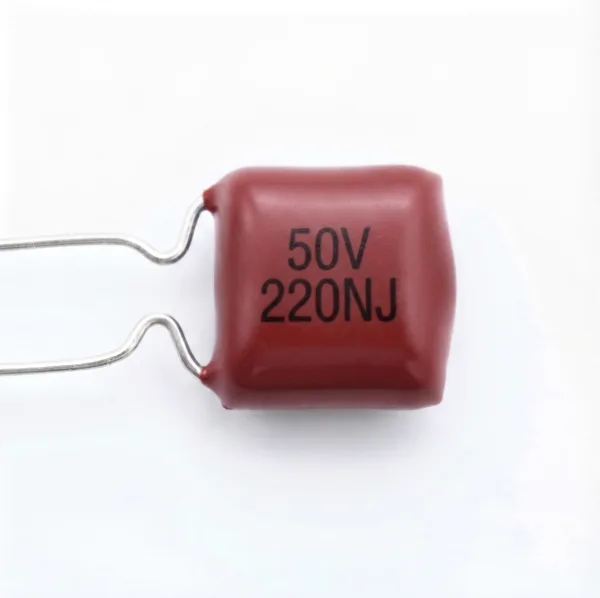
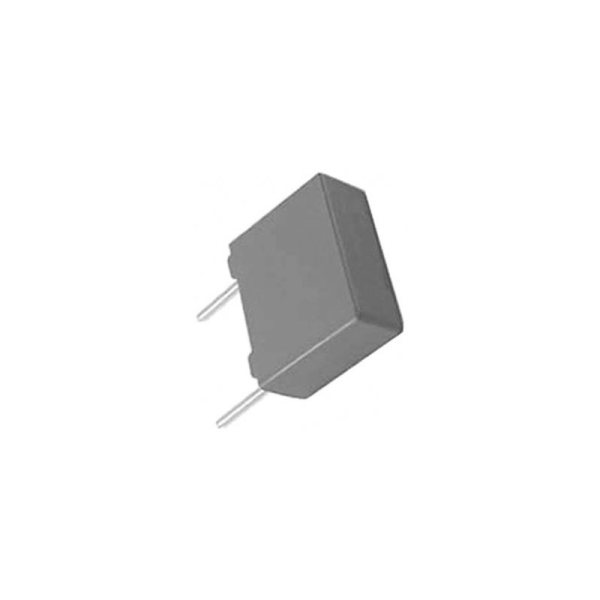
P2026080541
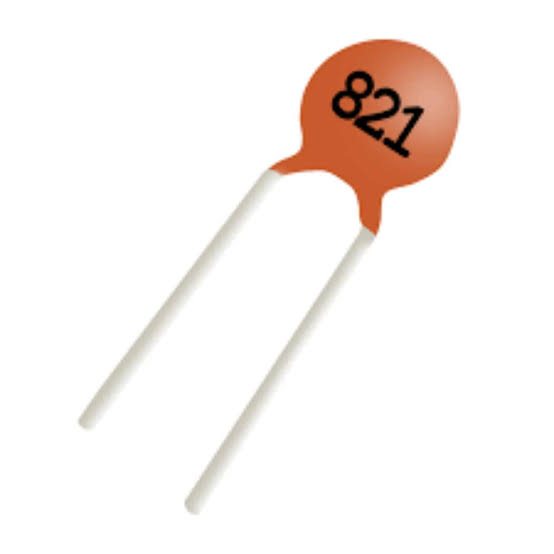
P2026080537
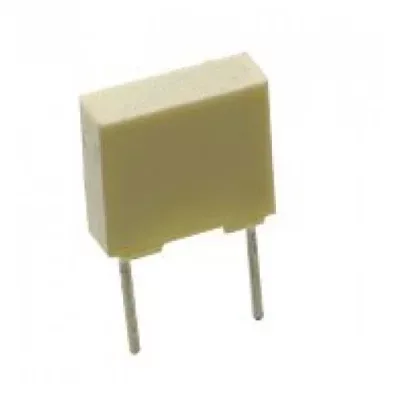
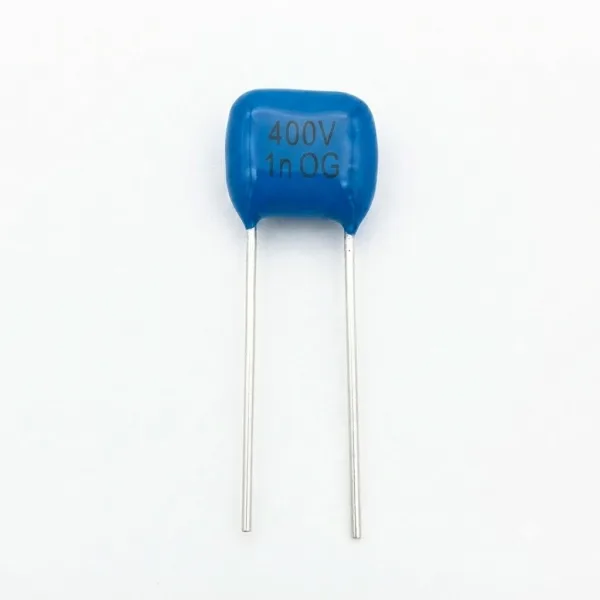
P2026080521
P2026070390


P2026070322

P2026070194
Three values are usually enough: the capacitance (in pF, nF or µF), the working voltage and the dielectric type. For voltage, allow a margin: on a 12V rail use a 25V rated part, on rectified mains filtering go up to 400V. A capacitor working too close to its rated voltage runs hot and ages quickly.
For SMD parts, check the package before ordering: 0402, 0603 and 0805 are not soldered the same way. Sizes and dielectrics are grouped under SMD Capacitors, filtering values under Chemical and Power Capacitors.
NP0/C0G is the most stable with temperature and voltage, reserved for filters and oscillators where the value must be precise. X7R is a good compromise for decoupling, while Y5V can lose a large part of its capacitance under DC voltage and heat.
Take at least 1.5 to 2 times the DC voltage actually present in the circuit. On mains, use parts designed for AC (X2, CBB61) and never a standard electrolytic.
Only for small values and if size allows: ceramic is unpolarized and has low ESR, but its actual capacitance drops under voltage depending on the dielectric. For smoothing large values, keep an aluminum electrolytic.
A lug-terminal run capacitor or a CBB61 polypropylene type, matching the µF value and the AC voltage shown on the old one (for example 2µF 450VAC). See <a href='/category/condensateurs-film-polypropylene'>Polypropylene Film Capacitors</a>.
Technology (ceramic, electrolytic, film), voltage, tolerance and manufacturer all play a role: a low-voltage Y5V ceramic does not cost the same as a branded high-capacitance X7R or a power capacitor for a motor.