
New
DZD 35.00
231 results
Rectifier diodes, Schottky, Zener, TVS, bridge rectifiers and signal diodes, in through-hole packages (DO-41, DO-35, DO-15) or SMD, for power supplies, repair boards and electronic projects.
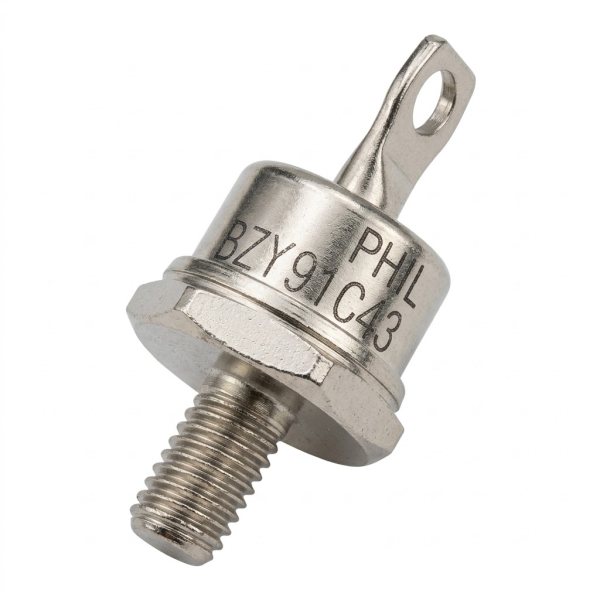
P2026090714
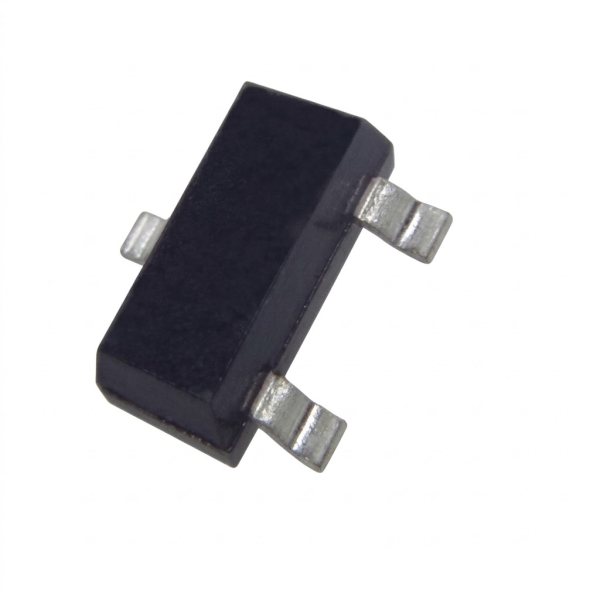
P2026090694
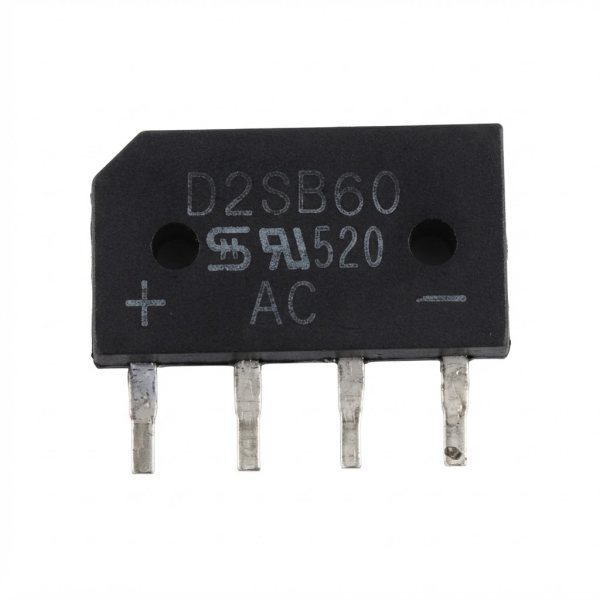
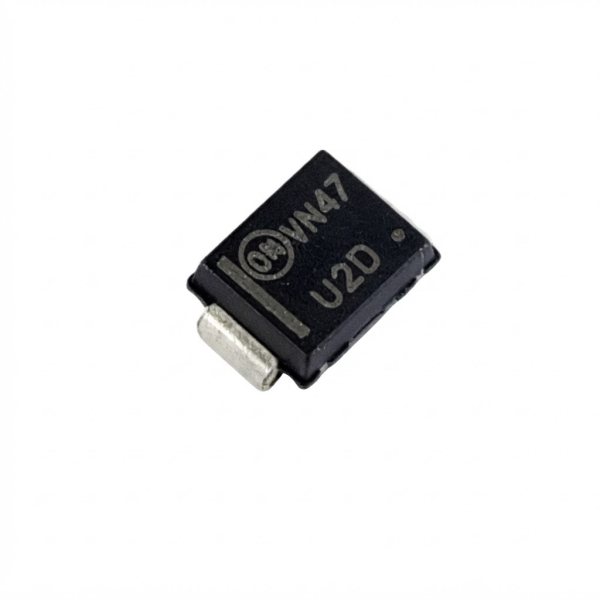
P2026090645
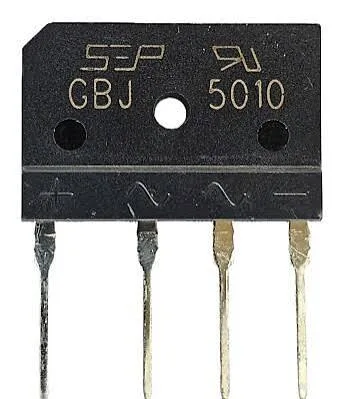
P2026080608
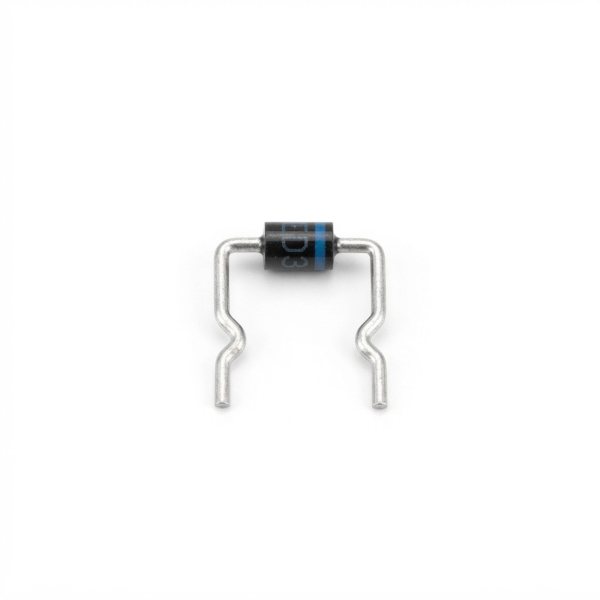
P2026080558
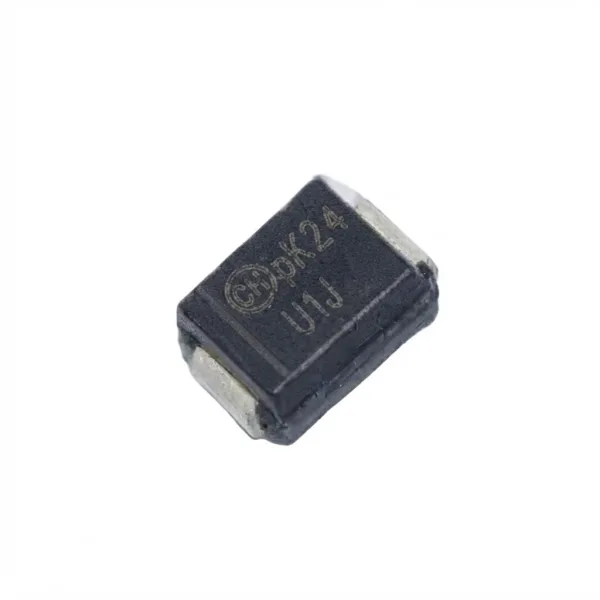
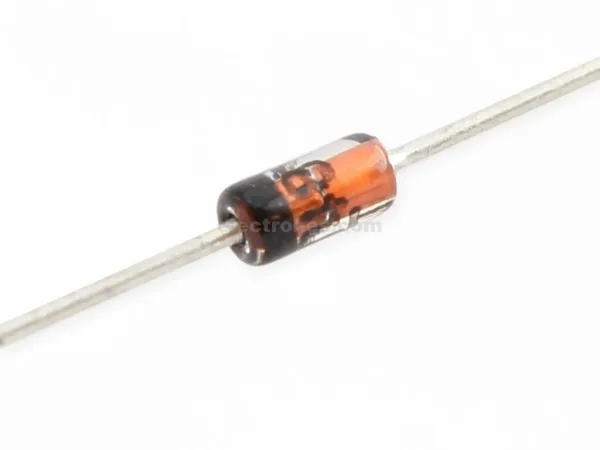
A diode is chosen first on its function. To rectify mains or transformer output, take a rectifier diode like the 1N4007 (1 A / 1000 V) or, for more current, a 1N5408, an RL207, or even a 6A10 or 10A10. If the project calls for bridge rectification, an integrated package such as the DB104, DB107s, MB10S or KBPC3512 replaces four diodes and simplifies wiring.
Two parameters not to overlook: the maximum reverse voltage (VRRM), with a margin of at least twice the peak voltage, and the average current, taking the package's cooling into account.
The rest of the semiconductors can be found in the Components category.
The 1N4007 is a rectifier diode rated 1 A / 1000 V, made for mains and power supplies. The 1N4148 is a fast signal diode (75 V, 200 mA) intended for logic and small signals; it cannot handle the current of a power supply.
A Schottky such as the 1N5819 or SS14 has a forward drop of about 0.3 to 0.5 V instead of 0.7 V, and switches much faster. This reduces losses in switch-mode power supplies and DC-DC converters, but its leakage current is higher and its reverse voltage is often lower.
You pick the Zener voltage equal to the voltage to be stabilized or limited (for example 5.1 V, 12 V, 18 V), then the power rating according to the current flowing through it: 1/2 W for a simple reference, 1 W or more if it needs to absorb current. A series resistor is always required.
Yes, a bridge such as the DB104, MB10S or KBPC3512 contains the four diodes already wired as a Graetz bridge. You just need to respect the current and reverse voltage ratings, and provide cooling for high-current models.
The current and reverse voltage rating, the type (standard, Schottky, ultra-fast, precision Zener), the package (through-hole or SMD) and the manufacturer. A signal diode remains far more affordable than a high-current bridge or a high-voltage module.