
New
DZD 850.00
26 results
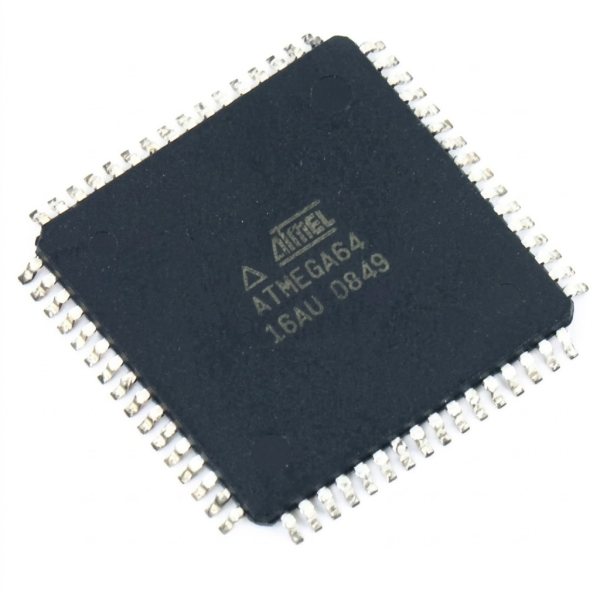
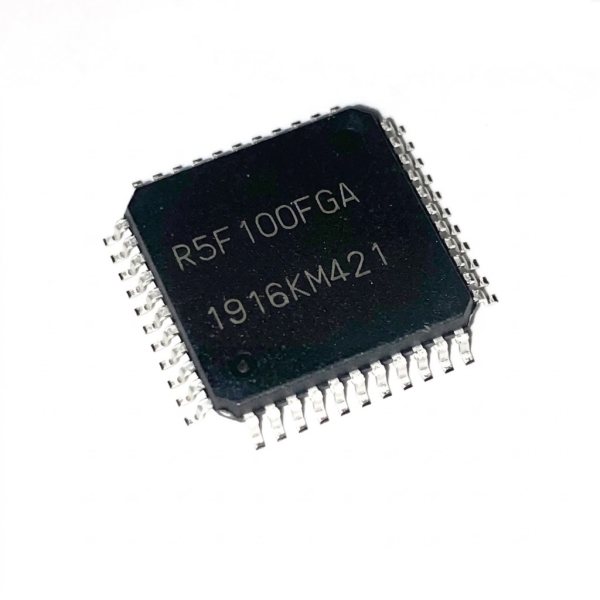
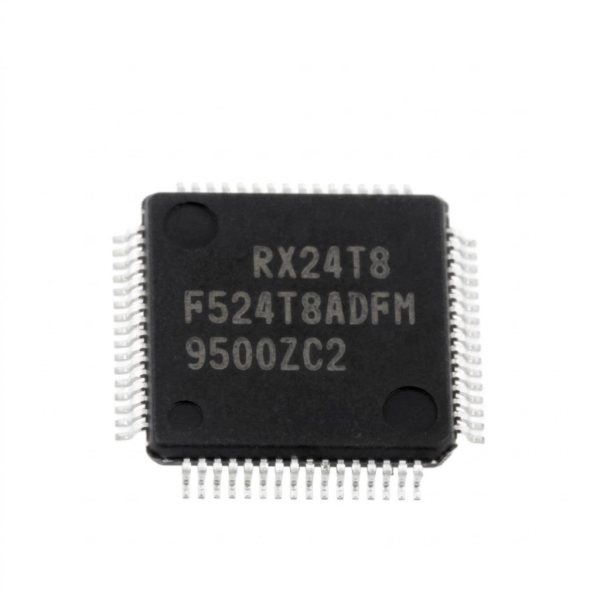
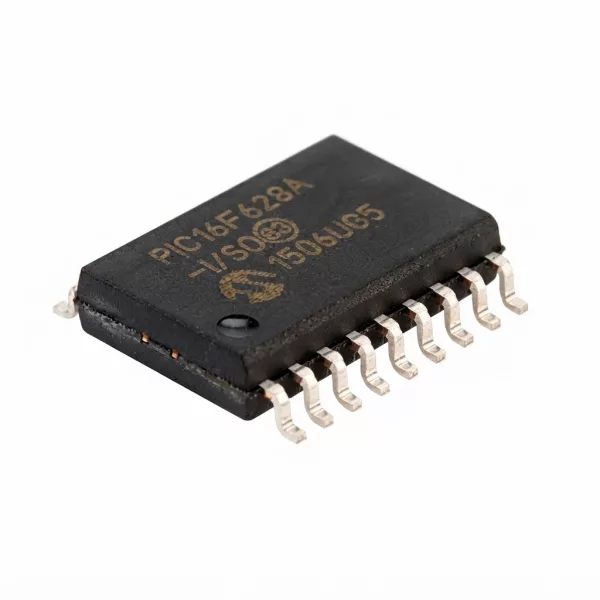
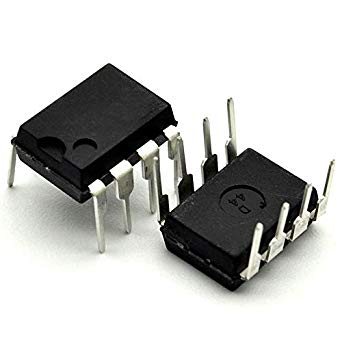
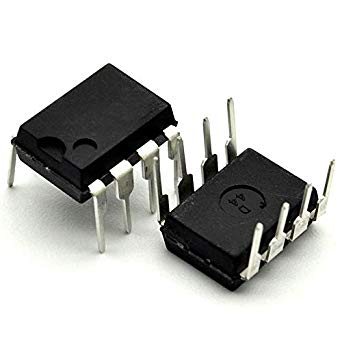
8, 16 and 32-bit microcontrollers to program yourself: Microchip PIC and ATmega, ATtiny, in DIP package for breadboard or in SMD version.
P2026090698


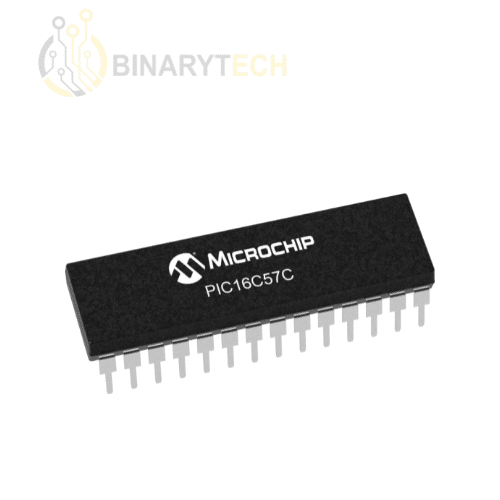
YWVPB40319
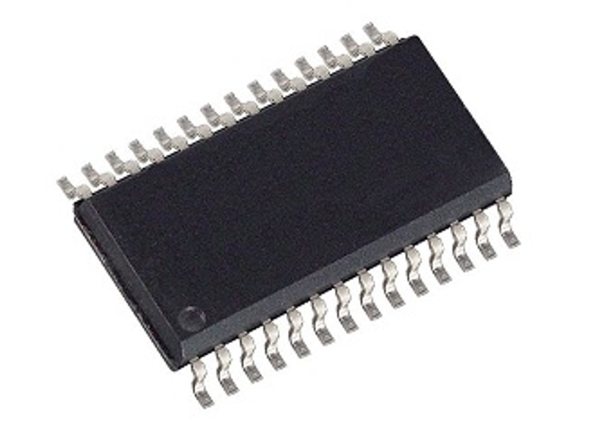
M53G112154
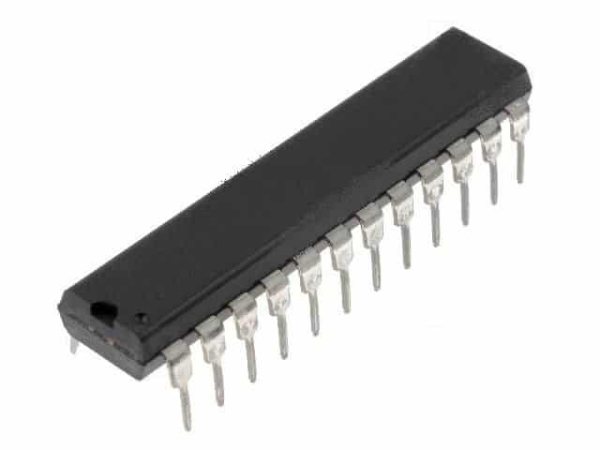
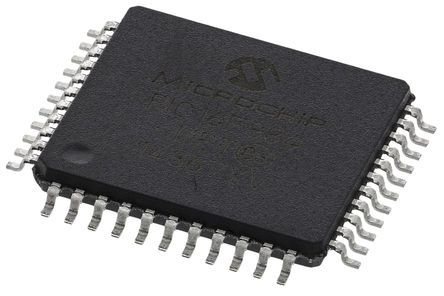
Z4YKJ34852-02
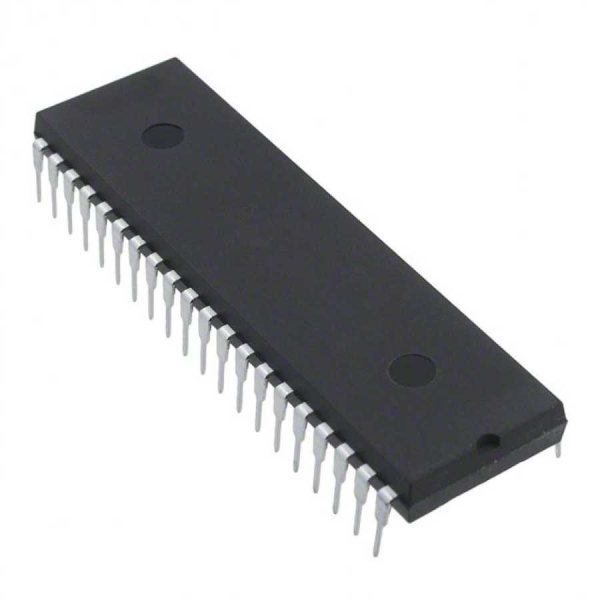
V3SJ221392
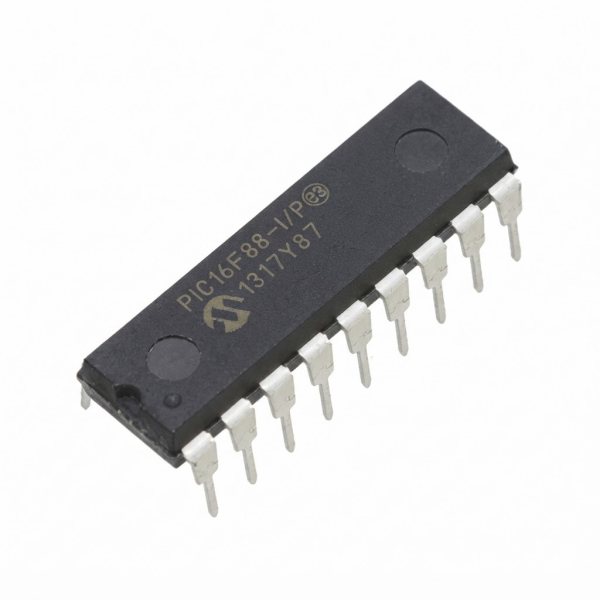
VMM6121395
J68M925743
A microcontroller combines the processor, program memory (Flash), RAM and peripherals (timers, ADC, UART, I2C, SPI) in a single chip. The choice comes down to four points: family, memory size, pin count and package.
The built-in USB of the PIC18F4550 or PIC18F2550 avoids an external converter. For a build, plan for the crystal, the capacitors and the regulator in Components.
These are two 8-bit families with similar performance, but different architectures and tools: PIC chips go through MPLAB and a Microchip programmer, ATmega chips through the Arduino IDE or avr-gcc with an ISP programmer. The choice mainly depends on the toolchain you are familiar with and the code examples you follow.
It is the same chip in a DIP-28 package, which allows it to be mounted on a socket and replaced. A new chip arrives without a bootloader: you either need to flash it with an ISP programmer, or program it directly in native code.
A DIP-28 with comfortable memory such as the ATmega328P or a PIC16F628A: plenty of documentation, accessible pins on a breadboard and enough resources for a first complete project. DIP-8 chips like the PIC12F675 or ATtiny85 are then suited to compact builds.
No for most of these chips, which have an internal oscillator sufficient for blinking or reading sensors. A crystal becomes useful as soon as precision matters: fast serial link, USB, time measurement.
The family and bit width, the size of the Flash and RAM, the pin count, the built-in peripherals (USB, ADC, CAN) as well as the package. A 32-bit reference in QFP is not comparable to an 8-bit one in DIP-8.