
DZD 10.00
543 results
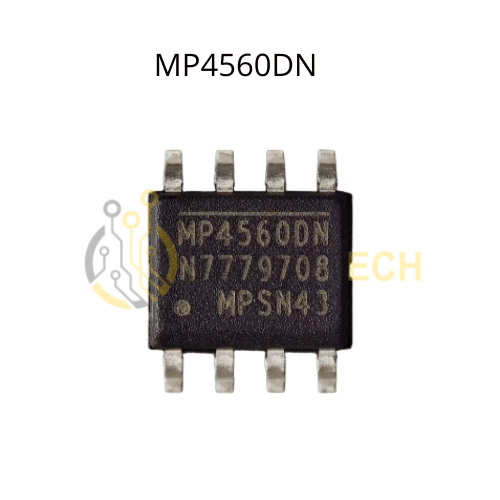
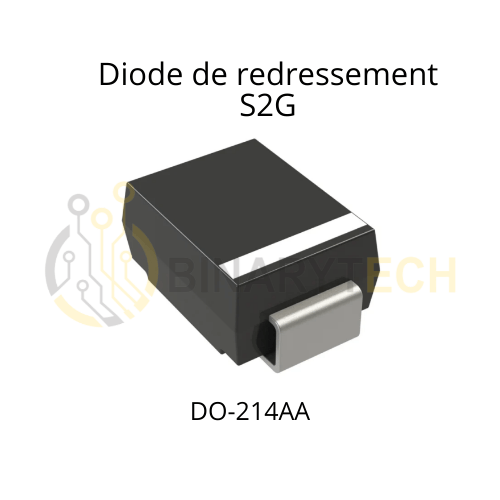
Surface-mount SMD components: resistors and ceramic capacitors in 0402 to 1206 packages, diodes, SOIC/SOT integrated circuits, ferrite beads and resistor networks.

9U9DE47561
2X5XJ46206
P33V245982
SV9H145087
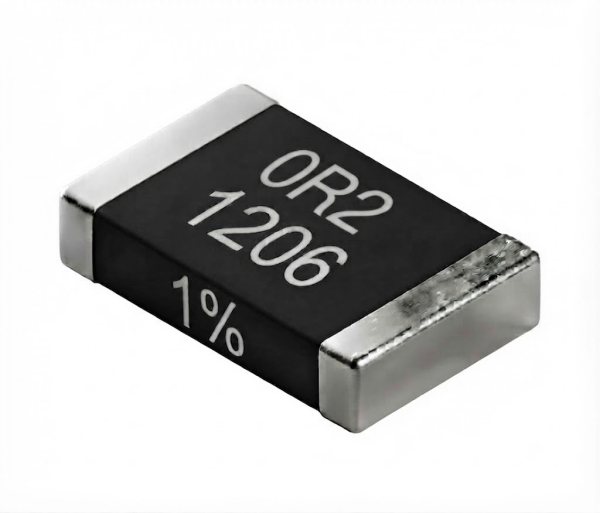
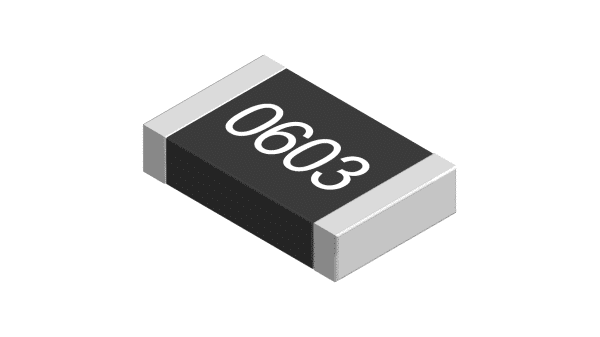
An SMD component is chosen first by its package, since it must match the footprint on the board. Resistors and capacitors come in 0402, 0603, 0805 and 1206: the smaller the code, the more patience and the finer the soldering tip required for hand placement. 0603 and 0805 remain the most common formats for repair and prototyping; 1206 dissipates more power (1/4 W versus 1/10 W in 0603).
Ferrite beads are chosen by their impedance at 100 MHz and their rated current, to clean up a power supply or a USB line. For through-hole components and other families, see Components.
These are two package sizes: 0805 is larger, easier to hand-solder and handles a bit more power (1/8 W versus 1/10 W). The choice mainly depends on the footprint laid out on your PCB.
NP0 (C0G) is the most stable with temperature and voltage, best reserved for the small capacitances used in filters and oscillators. X7R is suitable for general decoupling, while Y5V and X5R offer more capacitance in a small package but lose part of their value under voltage and when heating up.
±5% is enough for a pull-up resistor, an LED or current limiting. Move to ±1% as soon as it involves a voltage divider, a regulator setting or a measurement, where the error directly affects the result.
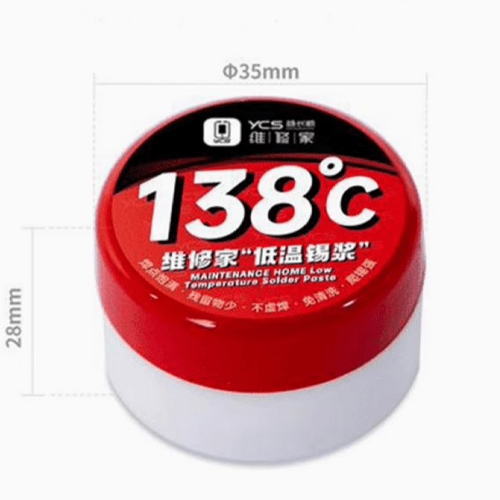
Yes for two-terminal resistors, capacitors and diodes, and for SOIC or SOT-23 packages, using a fine-tip iron, flux and desoldering braid. Hot air or low-temperature solder paste become useful for 0402 and fine-pitch packages.
Tolerance, temperature coefficient, package and manufacturer make the difference: a low-drift ±1% part costs more than a common ±5% one, and packaging also plays a role.