
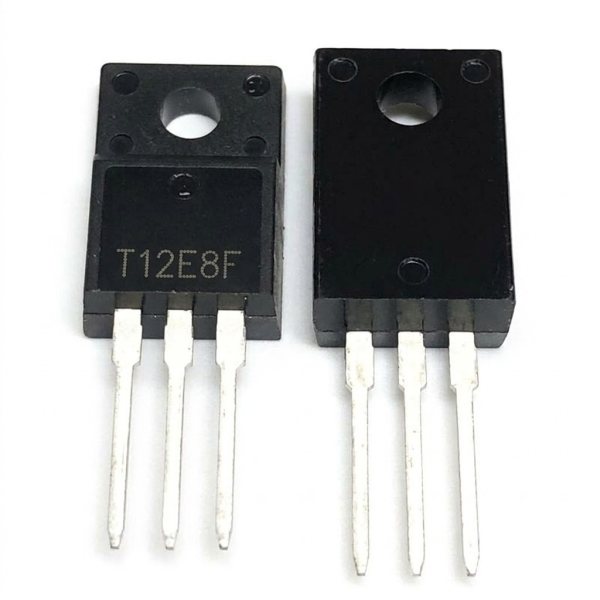
P2026090771
Triac, T12E8F 800V 12A, TO-220F
DZD 180.00
57 results
Thyristors and triacs for controlling mains loads: dimmers, universal motors, heating elements, coffee machine and home appliance boards. TO-92, SOT-82, TO-220, TOP3 and SMD packages.
P2026090771
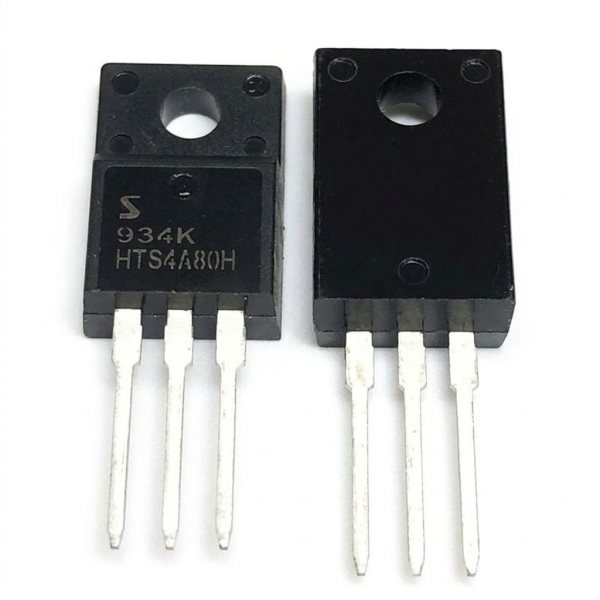
P2026090770

P2026090724


P2026090719
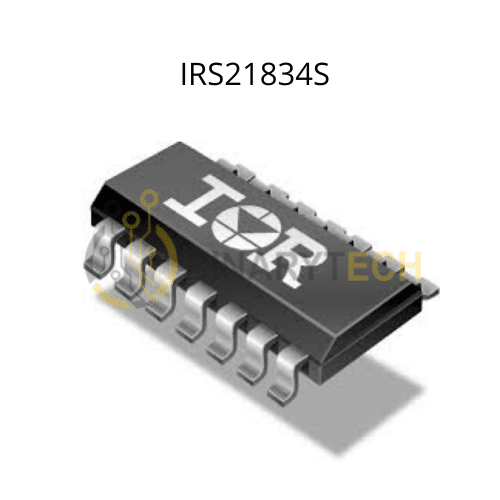
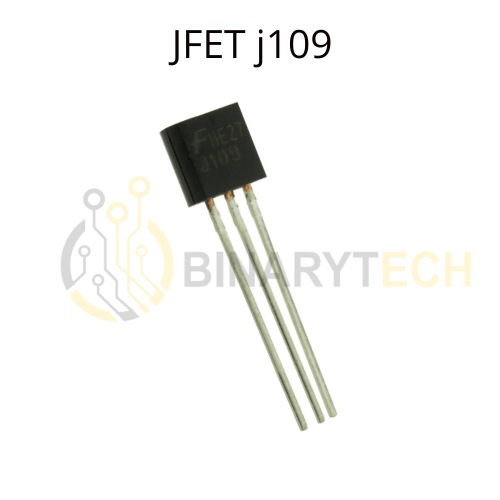
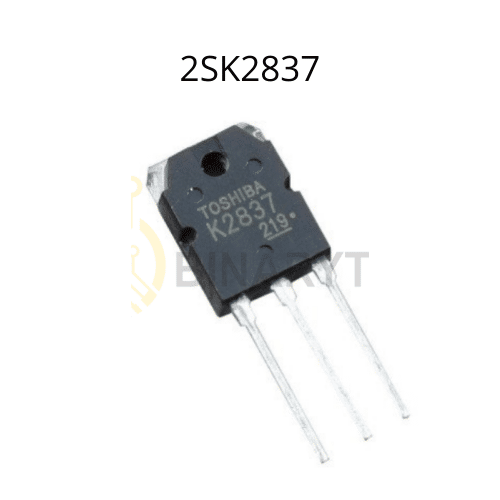
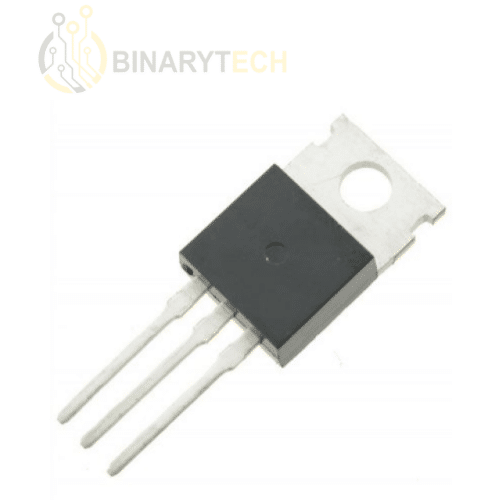
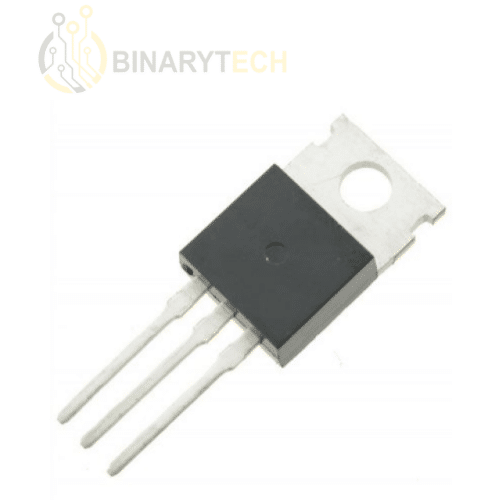
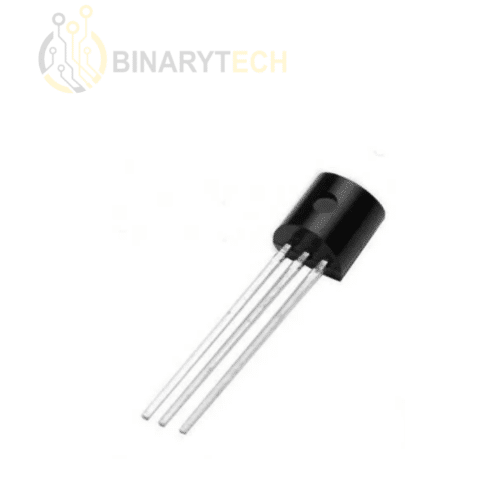
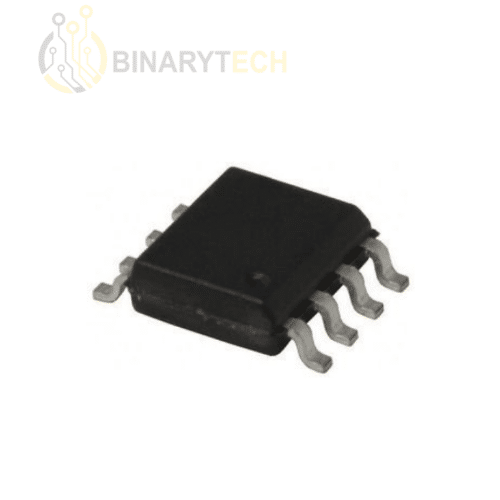
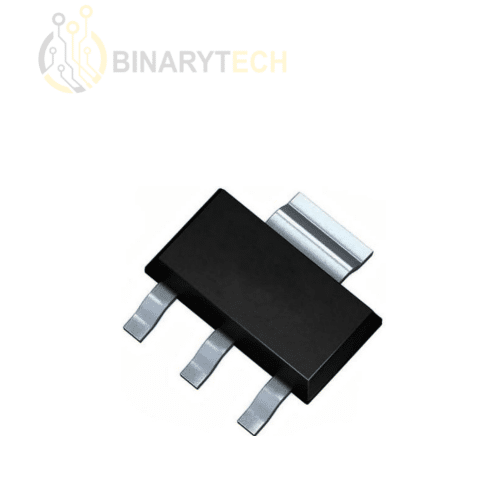
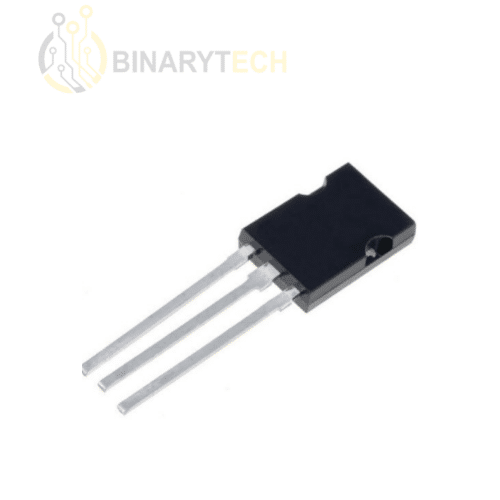
The thyristor (SCR) only conducts in one direction: it is used in controlled rectification, soft start or protection circuits, such as the BT151, BT152 or the TYN812. The triac conducts in both directions and remains the component of choice for AC power control: lamp dimming, speed variation, heat regulation.
Three figures guide the choice, and they are almost always written in the reference:
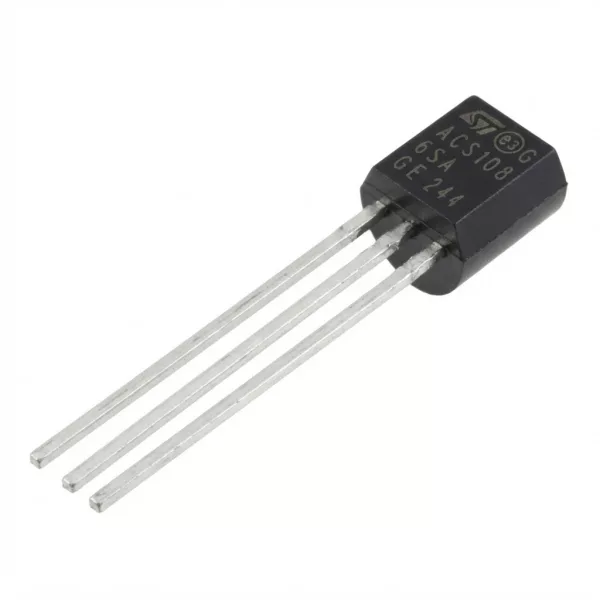
The package matters too: isolated versions of the BTA type and the TO-220F screw onto the heatsink without a mica pad. For a compact board, the Z0107 and ACS108 are available in SOT-223. The rest of the range can be found in Components.
The tab of a BTA is electrically isolated from the component, that of a BTB is connected to a main terminal. A BTA can therefore be mounted directly on a heatsink connected to the chassis, a BTB requires mica insulation.
The pump and the heating element are mains loads of a few amps: a 600 V or 800 V triac of 8 to 16 A, type BTA16-600 or BT139-600E, covers most cases. Check the original reference on the board before replacing it.
No, not directly: an optotriac or a driver is needed to isolate the low-voltage side from the mains. Choose a sensitive-gate model then, from 3 to 25 mA, such as the BT134 or BT139.
Yes, SOT-223 packages such as the Z0107 or the ACS series from STMicroelectronics are surface-mounted, for low currents in the range of one amp.
The rated current and the breakdown voltage first, then the package (isolated TOP3 more expensive than a TO-92) and the manufacturer. A logic-level sensitive-gate triac costs more than a standard model of the same rating.